The Great Battery Scare: My Sleepless Nights with an Electric Car
I remember the exact night I almost canceled my electric car order. I was sitting in my favorite armchair, staring at a laptop screen filled with scary forum posts. People online were claiming that electric car batteries would die in just a few years, leaving owners with bills worth thousands of dollars.
My heart sank because I was about to spend my hard-earned savings on a new electric vehicle. I felt a deep sense of worry that my future car would turn into a very expensive, useless brick sitting in my driveway. That fear kept me awake for hours, questioning if I was making a massive mistake.
Every day, we hear stories about how these batteries are ticking time bombs. Critics love to talk about how smartphones lose their charge after two years, assuming cars will do the same. This comparison makes a lot of people feel anxious and trapped in a state of indecision. It is stressful to think that your main mode of transport could lose half its range just when you need to go to work or visit family.
The mental weight of this "range anxiety" is real, and it stops many smart buyers from making the switch. But after months of talking to actual engineers and studying real data, my perspective changed completely. I realized that the scary stories we see online do not match the actual science of how these vehicles are built.
The Secret Chemistry Keeping Your Battery Alive
To understand why your battery will last, we have to look under the metal hood. Most critics compare your car battery to your phone battery, but this is a major mistake. Your phone battery is designed to be cheap, thin, and light, meaning it lacks any real protection.
Your electric vehicle battery, however, is a highly advanced piece of industrial engineering. It has protective layers, advanced software, and thermal control systems that your phone could only dream of.
The Smart Guard: Your Battery Management System
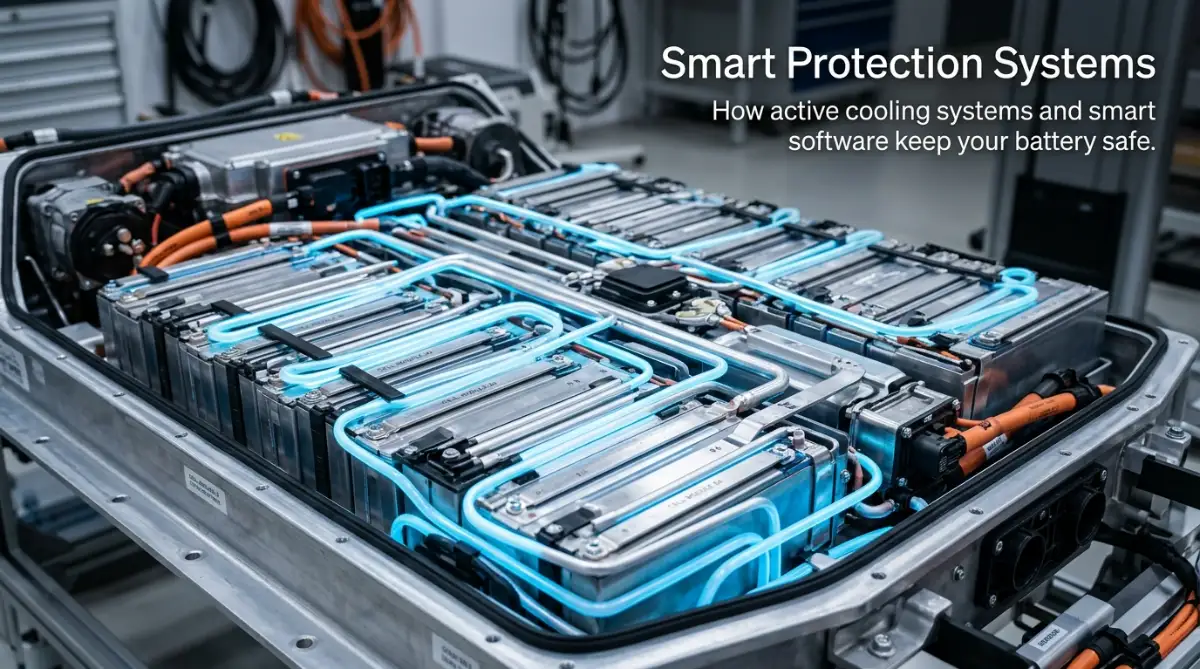
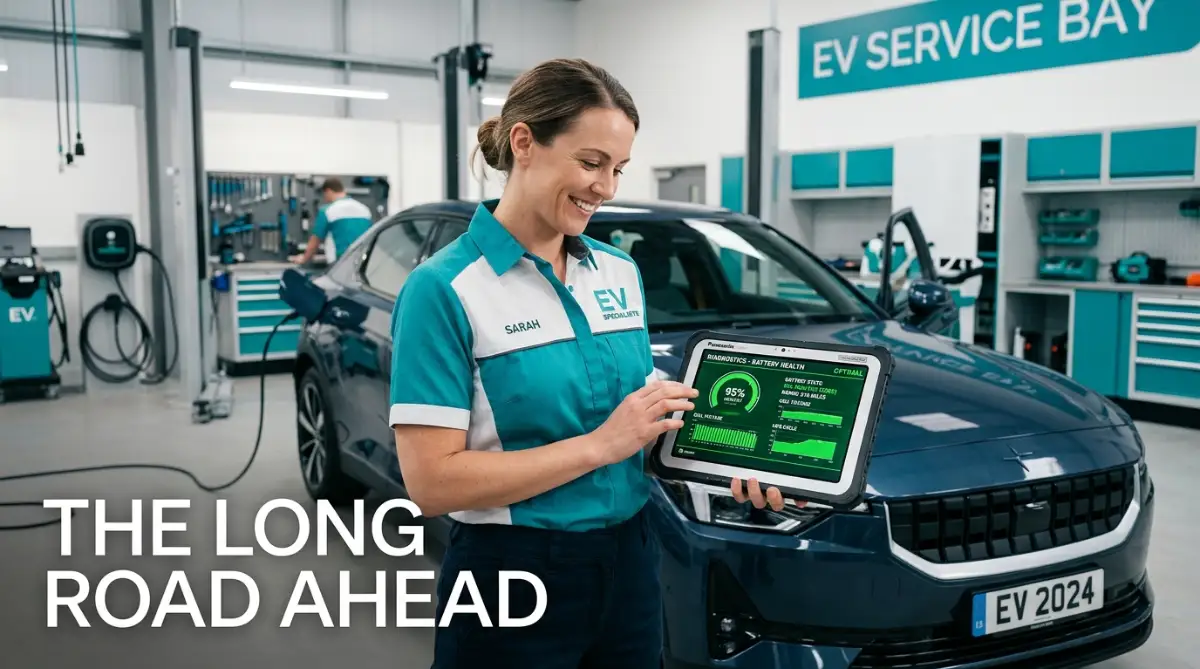
Every modern electric car has a highly advanced computer called the Battery Management System, or BMS. This system acts like a personal doctor for every single battery cell in your car.
It constantly monitors the temperature, voltage, and health of the cells to make sure nothing goes wrong. If one part of the battery gets too warm, the system cools it down immediately.
It also ensures that the cells charge and discharge at a safe, steady rate. Because of this constant care, the individual cells do not wear out like the ones in your basic home electronics.
Why the most advanced car computers are changing everything we know about battery health.
The smart software inside your car actively prevents damage before it can even start, making sure the battery pack ages slowly and evenly.
The Magic of Buffer Zones
Did you know that your car never actually charges to 100%, even when the dashboard says it does? Car makers build hidden safety nets called "buffer zones" into the battery software. When your screen shows a full charge, the actual physical battery might only be at 90% capacity.
Similarly, when your car says it is completely empty, there is still a small reserve left to protect the cells. This clever design prevents the battery from sitting at extreme charge levels, which is what usually damages lithium-ion cells. By keeping the battery in its happy zone, the car naturally prevents early wear and tear.
Active Cooling: Keeping Batteries in the Comfort Zone
Batteries absolutely hate extreme heat and extreme cold. When a battery gets too hot during fast charging, the delicate structures inside start to break down. To solve this, modern cars use active liquid cooling systems to keep the battery at the perfect temperature.
Special coolant fluids flow through channels inside the pack to carry away extra heat. This is just like the radiator system that keeps a traditional gas engine from melting under pressure. Because your car can control its own climate, the battery stays safe even on the hottest summer days.
Myth vs. Reality: What the Actual Data Shows
Let us look at some real-world numbers to see how these batteries perform over time. Many critics want you to believe that a battery loses ten percent of its capacity every single year.
However, studies of thousands of older electric cars show a completely different story. On average, modern electric car batteries only lose about one to two percent of their capacity per year.
This means that after ten years of driving, your car will still have eighty to ninety percent of its original range.
This comparison clearly shows that car batteries are built to a far higher standard than standard consumer electronics.
The Power of Chemistry Upgrades
Battery technology does not stand still; it improves every single month. Engineers have developed new chemical mixtures, like Lithium Iron Phosphate, which are incredibly tough. These newer chemistries can handle thousands of full charge cycles without showing any major signs of wear.
Even the standard nickel-based batteries have been improved to prevent internal chemical breakdown. These constant upgrades mean that the car you buy today is far more durable than the early models from a decade ago.
How Your Driving Habits Protect the Battery
You actually have a lot of control over how long your car's battery lasts. Simple adjustments to your daily routine can make an already durable battery last even longer.
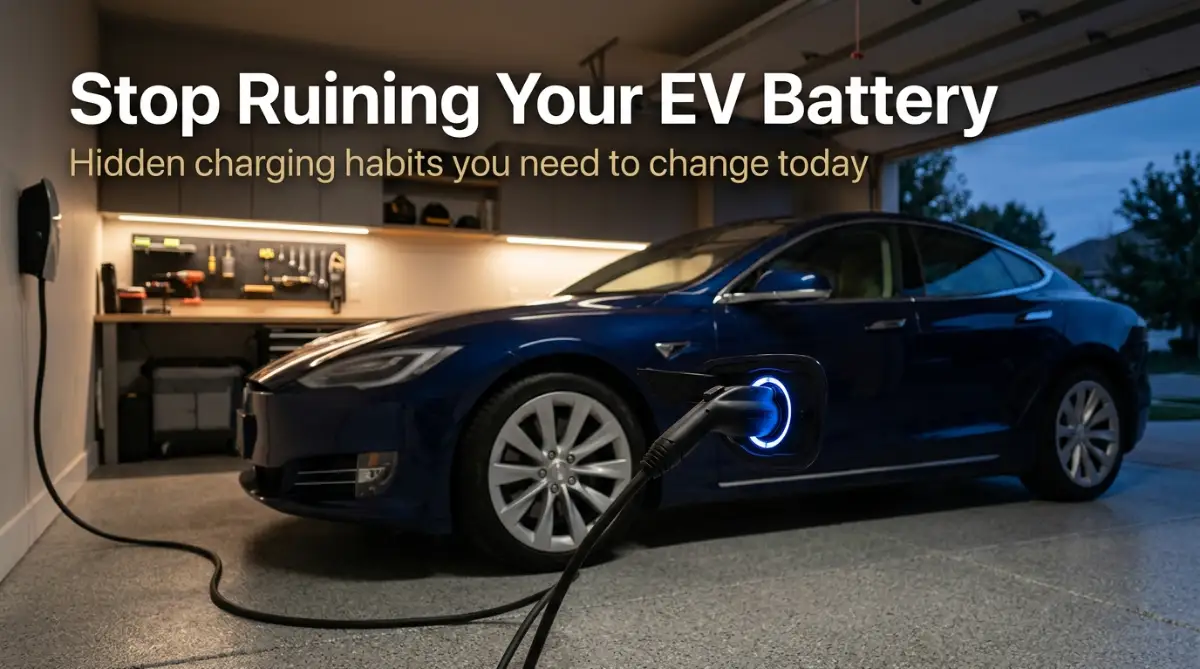
For example, using home charging instead of rapid highway chargers is much easier on the battery chemistry. Slow charging at night produces almost no heat, which keeps the internal structures in perfect shape.
My Personal Realization on Charging
When I first bought my car, I rushed to the nearest rapid charger every single time the battery hit fifty percent. I quickly realized this was causing unnecessary heat and stress on the pack. Now, I simply plug my car into a standard outlet overnight at home, and the battery health has remained incredibly stable.
The Role of Regenerative Braking
Electric cars use a clever system called regenerative braking to capture energy when you slow down. Instead of wasting energy as heat through traditional brake pads, the motor reverses to slow the car down and feed power back into the battery.
This gentle trickle of energy is highly efficient and does not create the high heat of rapid charging stations. It also means your traditional brake pads last much longer, saving you money on maintenance.
By utilizing this system, you are naturally extending both your trip range and your battery's overall lifespan.
Avoiding the Extremes
Another simple trick is to avoid leaving your car parked for weeks with a completely full or completely empty battery. If you are going on a long vacation, it is best to leave the battery charged to around fifty percent. This level puts the least amount of physical stress on the internal chemistry of the cells.
Most modern electric cars even have a holiday mode that manages this for you automatically. With these simple steps, your battery will easily outlast the rest of the car's mechanical parts.
Real Stories from the Road
It is easy to look at lab tests, but real-world drivers show us what is truly possible.
There are many stories of high-mileage drivers who have traveled hundreds of thousands of miles on their original battery packs.
Some delivery drivers and taxi operators have used the same battery for over three hundred thousand miles.
Even after all those miles, their cars still have enough range to complete their daily jobs.
These real-world examples prove that the fears spread by critics are largely based on outdated information.
Why Fleet Data Matters
When big delivery companies buy electric vans, they track every single detail of battery health. This data shows that fleet vehicles, which are driven hard every single day, hold onto their battery health incredibly well. Because these vehicles are constantly moving and being monitored, their batteries stay active and healthy.
This massive amount of positive data is why major companies are moving away from gas vehicles rapidly. They know that the long-term maintenance costs of electric vehicles are actually much lower.
The Truth About Warranties
If car makers thought their batteries would die quickly, they would not offer long warranties. Almost every electric car sold today comes with a battery warranty of at least eight years or one hundred thousand miles.
These warranties guarantee that the battery will not drop below seventy or eighty percent of its original capacity.
Car brands are highly careful with their money, so they would not offer these promises if they expected high failure rates. This warranty coverage should give any new buyer immense peace of mind.
Looking Ahead: The Future of Battery Recycling
Even when an electric car battery finally reaches the end of its road life, it does not go to a landfill. A car battery that has lost thirty percent of its capacity is still highly useful for other purposes. These batteries are being collected to create large-scale energy storage systems for solar and wind farms. They can spend another ten to fifteen years storing clean energy for local power grids.
Once they are completely worn out, companies can recycle nearly all the valuable metals inside them. This recycling loop ensures that the materials are used to make new, even more efficient batteries. The entire process is becoming cleaner and more efficient with each passing year, making electric cars a highly sustainable choice for our shared future.
Pro-Active Methods to Maintain Peak Electric Car Performance
Maintaining the energy pack of your vehicle does not require a degree in chemistry. Instead, it comes down to building a few smart habits that work in harmony with your car's natural systems. When you manage your charging routines properly, you actively protect your investment and ensure your vehicle remains reliable for many miles.
Many drivers think they need to constantly worry about their battery health, but modern technology makes the process incredibly simple. By taking control of a few simple settings, you can enjoy a worry-free driving experience.
Master the Art of Scheduled Charging
One of the easiest ways to keep your vehicle happy is by using the scheduled charging feature built into your car's main menu. Most people plug their vehicle in as soon as they get home from work, which means the car sits at a high charge state for most of the night.
Instead, you can set your vehicle to finish its charging cycle right before you plan to leave in the morning. This simple change reduces the amount of time the cell structures spend under high electrical pressure. It also means the battery is naturally warmed up and ready to go when you step inside, which improves your overall driving efficiency.
If you are planning to finance a new electric vehicle, managing these long-term costs is a brilliant way to protect your overall financial health. Just like learning to save money by securing low personal loan rates on your vehicle purchase, protecting your battery prevents expensive repairs down the road.
Know Your Specific Battery Chemistry
Not all electric car batteries are built using the exact same chemical formulas. The two most common types used in modern vehicles are Nickel Manganese Cobalt (NMC) and Lithium Iron Phosphate (LFP).
NMC batteries are highly lightweight and offer excellent range, but they perform best when kept between twenty percent and eighty percent charge for daily driving. On the other hand, LFP batteries are incredibly tough and actually benefit from being charged to one hundred percent once a week to help the vehicle calculate its remaining range accurately.
You can find your specific battery type in your owner's manual or by checking the charging settings on your vehicle's dashboard screen. Knowing which chemistry your car uses allows you to tailor your charging habits to what your vehicle physically needs to stay healthy.
Prepare Your Vehicle Before You Drive
Preconditioning is a highly effective feature that many new owners completely overlook. This setting allows you to heat or cool the interior of your car while it is still plugged into your home charger.
When you precondition the vehicle, the energy needed to regulate the cabin temperature comes directly from the grid rather than your car's battery. This process also brings the battery pack to its optimal operating temperature before you even turn on the motor.
By starting your trip with a comfortable cabin and a warm battery, you reduce the sudden energy demands on the system. This practice is especially helpful during freezing cold mornings or incredibly hot summer afternoons.
If you are trying to fit the costs of home charging setups into your monthly household spending, proper planning is key. You can easily track these small utility increases by building a smart household budget with zero-based budgeting to ensure your electric car saves you the maximum amount of money.
The Slow and Steady Approach to Energy
While rapid highway chargers are wonderful for long road trips, using them for your daily driving needs is not ideal. These high-power stations force a massive amount of electrical current into the cells in a very short period of time, which naturally creates extra heat.
Instead, relying on slow home charging or standard workplace chargers keeps the battery pack relaxed and cool. Think of rapid charging like force-feeding a water balloon under a high-pressure fire hose; slow charging is like filling it gently from a garden tap.
According to a comprehensive battery fleet analysis by Geotab, vehicles that rely mostly on slow charging show almost no noticeable extra degradation over several years of regular use. By keeping your fast-charging sessions saved for emergency trips, you can keep your battery in pristine condition.
Unconscious Mistakes That Harm Your Vehicle's Battery
Even with the best intentions, some drivers make simple errors that put unnecessary strain on their electric vehicles. These mistakes rarely cause sudden failures, but they can slowly chip away at your maximum range over several years. Understanding these common pitfalls is the best way to make sure your car stays as efficient as the day you bought it.
Letting the Battery Sit at Absolute Zero
One of the most damaging things you can do to a lithium-ion battery is to let it sit completely empty for a long time. When the battery charge drops to zero percent, the internal voltage can fall below a safe threshold if it is left uncharged.
When this happens, the copper elements inside the cells can start to dissolve, which can lead to permanent damage or even short circuits. If you ever run your car down to a very low percentage, make sure to plug it into a charger as soon as you reach your destination.
Leaving an empty car in a cold garage for weeks is a recipe for accelerated aging that even the smartest battery management software cannot fully prevent.
Ignoring the Dangers of Extreme Solar Heat
We know that batteries dislike cold weather because it temporarily slows down the chemistry, but extreme heat is the real long-term enemy of battery life. Parking your car directly under the blazing sun on a hot asphalt parking lot raises the internal temperature of the cells significantly.
Even when the car is turned off, the passive heat can build up and cause the chemical structures to break down much faster. Whenever possible, try to park your electric vehicle in shaded areas, under carports, or inside a cool garage.
If you must park in the heat, leaving the vehicle plugged into a charger allows the active cooling system to run without draining your battery range. This simple action keeps the cells in their comfort zone even when the outside world feels like an oven.
Taking care of your car’s delicate systems is just as important as protecting any other high-tech equipment in your life. Just like understanding the hidden dangers of cloud storage helps you protect your personal files, protecting your car from extreme weather saves your physical hardware.
Hard Driving When the Pack is Freezing Cold
When you wake up to a freezing winter morning, the fluids and chemicals inside your battery pack are highly sluggish. If you immediately hit the highway and accelerate rapidly, you are demanding a massive flow of energy from cold cells.
This sudden demand can cause high local stress inside the battery layers, which can lead to lithium plating over time. Lithium plating reduces the amount of active lithium available to store energy, permanently lowering your overall capacity.
Always give your car a few minutes to warm up, or drive gently for the first mile or two to let the internal chemistry heat up naturally.
Driving a freezing cold car with maximum power is like asking an athlete to sprint a hundred meters without warming up their muscles first. The physical strain is immense and can lead to long-term wear that is easily avoidable.
Over-Managing Your Battery Health
Some drivers become so obsessed with protecting their battery that they actually cause themselves unnecessary stress. They refuse to use their car's heater in the winter, or they refuse to go on road trips because they are afraid of rapid chargers.
This extreme behavior takes away all the fun of owning a modern, high-tech vehicle. Modern cars are designed to be used and enjoyed under all kinds of conditions.
The active safety buffers and the advanced cooling systems are there to do the heavy lifting for you. You do not need to turn your daily commute into a science experiment just to save a fraction of a percent of battery health.
If you find yourself feeling sick with worry over every small change in your car's range, you might need to take a step back and relax. This mental stress is very similar to the physical discomfort of preventing severe VR motion sickness during long gaming sessions; sometimes you just need to adjust your environment and let the technology handle itself.
The Long and Reliable Road Ahead
The evidence is clear that electric vehicle batteries are not the fragile, short-lived components that critics claim. Thanks to incredible engineering, smart software, and robust materials, these power systems are built to outlast the cars themselves.
As we move toward a future of cleaner transportation, understanding the actual science behind battery longevity helps us make smarter decisions. You can drive your electric vehicle with total confidence, knowing that your battery is protected by some of the most advanced technology on earth.
By practicing simple charging habits and avoiding a few common mistakes, you can ensure that your car remains efficient and ready for any adventure. The transition to electric driving is a smooth and rewarding path when you focus on real data instead of online myths.
When I first brought my electric car home, I watched the battery level like a hawk, fearing the worst. Now, after miles of reliable journeys in all kinds of weather, I plug it in and simply enjoy the smooth, quiet ride every single day. I highly encourage you to look past the scary headlines and experience the absolute joy of modern driving for yourself.
Answers to Common Questions About Electric Car Battery Health
How much does it cost to replace an electric vehicle battery?
Most drivers will never need to pay for a replacement battery because the original pack is designed to last for the entire life of the vehicle. If a battery does fail early, it is almost always covered by the manufacturer's eight-year warranty. For older cars outside of warranty, the cost of individual cell repairs is becoming much cheaper as specialized shops open around the country.
Does cold weather permanently damage my electric car's battery?
No, cold temperatures only cause a temporary loss of driving range because the cold makes the liquid chemistry inside the cells sluggish. Once the weather warms up or the battery heated system brings the pack to its optimal temperature, your full range returns naturally. Cold weather does not cause any permanent degradation to the battery structure itself.
Can I leave my electric vehicle plugged in while I go on holiday?
Yes, leaving your vehicle plugged in is actually the best thing to do when you go away for a long time. Modern electric cars are smart enough to stop charging once they reach the limit you have set in the dashboard menu. While plugged in, the car can use grid power to run internal health checks and keep the battery pack at a safe temperature.
How often should I use rapid public charging stations?
It is best to save rapid DC fast chargers for long-distance road trips rather than using them for your daily charging needs. Relying on slow home or workplace charging for eighty percent of your energy needs keeps the battery cool and relaxed. This simple balance prevents the high heat and stress that can slowly reduce your battery's long-term health.
Disclaimer
This article is for informational and educational purposes only. Always consult your vehicle's official owner's manual and follow the manufacturer's guidelines for charging, maintenance, and safety procedures. Individual battery performance may vary based on driving habits, climate conditions, and specific vehicle models.