Why Your Expensive EV Battery Is Dying Faster Than You Think
I still remember the day I brought my brand-new electric car home. I was so proud of myself for going green and saving money on gas. But within just a year, I noticed something scary.
My dashboard showed that my maximum driving range had dropped significantly. I felt a knot in my stomach, wondering if I had somehow damaged the most expensive part of my car. It turned out I was making some simple but terrible mistakes every single day.
It is incredibly frustrating to watch your car's battery health slip away. You buy an electric vehicle expecting it to last for a decade, but instead, you face constant anxiety about reaching your next destination. This constant worry about finding a charger can truly ruin the joy of driving.
Many of us spend hours searching online for answers, feeling overwhelmed by confusing technical terms. We worry about the massive cost of replacing a battery pack out of warranty. This financial stress can keep you awake at night, questioning your decision to buy an electric vehicle.
You just want a reliable car that gets you to work, school, and family trips without surprises. Instead, you end up checking the battery percentage every five minutes like a nervous wreck. It feels like you are serving the car rather than the car serving you.
We deserve to drive with peace of mind and without the fear of sudden battery failure. Let us look at what is actually causing this secret damage to our vehicles.
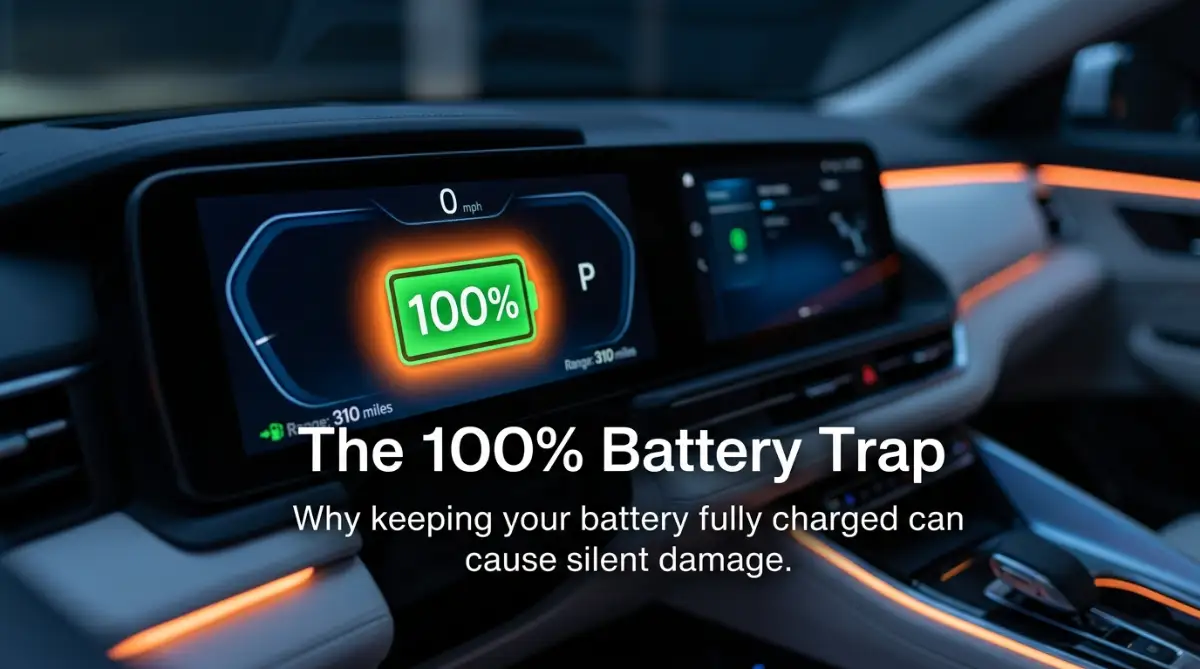
The Secret Mistakes That Are Quietly Killing Your Battery Health
To keep your vehicle running smoothly, we must look closely at how these batteries actually work. Lithium-ion batteries do not like extreme states of charge, which means keeping them too full or too empty causes stress. By understanding the chemistry inside the cell, you can easily change your daily routine.
The Danger of the Hundred Percent Habit
Most of us have a habit of plugging in our smartphones before bed so they are at 100% in the morning. We naturally want to do the exact same thing with our electric vehicles. However, keeping your car battery at maximum capacity for long periods creates high voltage stress.
This high voltage slowly degrades the internal materials of the battery pack. Over time, this decreases the amount of energy the pack can hold, leaving you with less driving range. It is much better to set your vehicle’s charge limit to 80% for your daily drives.
Only charge your vehicle to the absolute maximum when you are about to start a long road trip. This simple adjustment keeps the battery in a relaxed state and prevents early aging.
Deep Discharging: Why Letting It Go to Zero is a Mistake
On the other end of the scale, letting your battery run down to zero percent is just as bad. When the charge level drops extremely low, the battery chemistry becomes unstable. This instability can cause permanent damage to the individual cells inside the pack.
If you leave a fully discharged car sitting in a garage, the battery can enter a deep sleep mode. In worst-case scenarios, the battery might refuse to accept a charge ever again. This can lead to an incredibly expensive trip to the repair shop.
To prevent this, try to keep your charge level above 20% whenever possible. Think of 20% as your new zero, and plug in before you reach that warning light. This creates a safe buffer that keeps the chemical reactions inside the battery stable.
Fast Charging Addiction: The Silent Heat Killer
We all love the convenience of public fast chargers because they get us back on the road in minutes. But relying on these high-power stations for your daily charging is a recipe for trouble. Fast chargers pump a massive amount of electricity into the vehicle in a very short time.
This rapid transfer of energy generates a lot of heat inside the battery cells. Excessive heat is the absolute worst enemy of any lithium-ion battery. If the battery cooling system has to work overtime, it still might not block all the thermal damage.
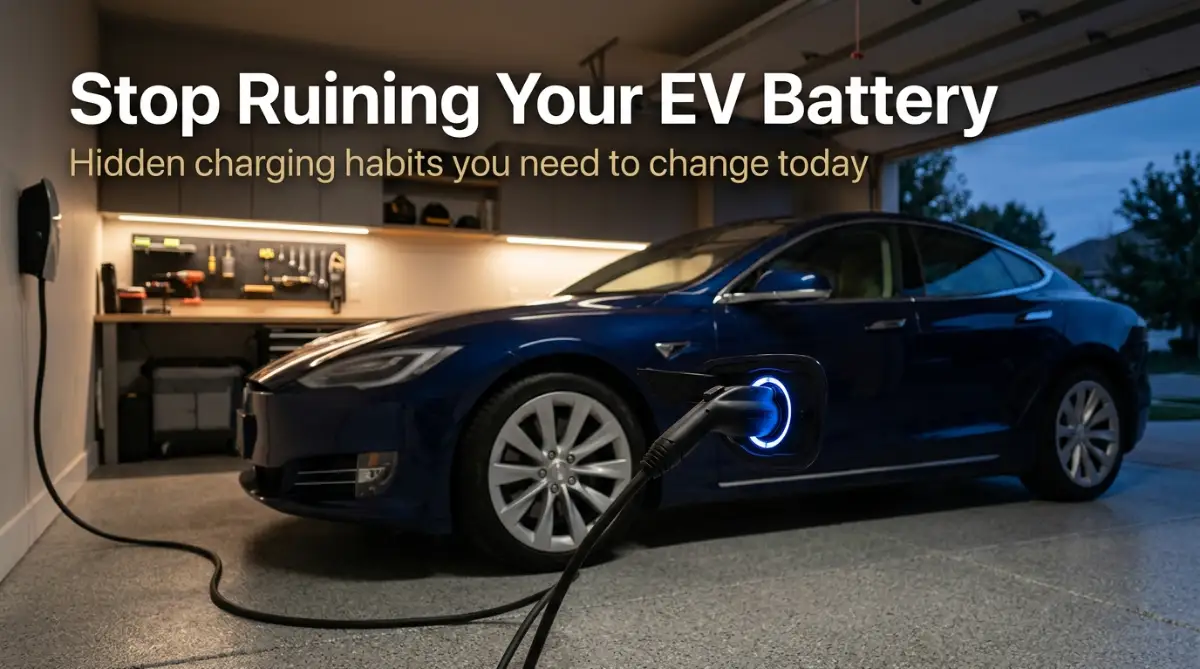
If you want to protect your investment, save fast charging only for long trips and emergencies. For your daily needs, stick to slower Level 2 home charging systems. Slower charging keeps the battery cool and happy, which helps it last much longer.
To help you visualize how this heat affects your car over time, watch this helpful explanation of battery thermal management. It shows exactly what happens inside the cells when they get too hot.
This quick video explains how temperature affects your battery health and why slow charging is often the safer choice for daily use.
The Extreme Weather Trap
Where you park your car can have a massive impact on how well your battery holds up over the years. Parking your electric car under the blazing sun on hot days causes the battery pack to heat up. Even when the car is turned off, the heat keeps working to degrade the delicate cells inside.
Similarly, freezing winter temperatures can make the battery sluggish and less efficient. While cold weather does not cause permanent damage like heat, charging a frozen battery can be harmful. Many modern cars have systems to warm the battery, but this process uses extra energy.
Whenever you can, park your car in a shady spot or inside a garage. If it is freezing outside, try to charge your car immediately after driving while the battery is still warm. These tiny habits keep the temperature stable and protect the internal chemistry.
My Personal realization:
I used to park my car in the driveway under the hot sun every single day because I was too lazy to clear out my garage. Once I realized the heat was slowly killing my range, I finally cleaned the garage and parked inside. My battery health stabilized almost immediately, and I learned my lesson the hard way.
Leaving Your Car Plugged in After It is Full
Another common habit is leaving the charging cable plugged in for days when you are not using the car. While modern electric cars have smart management systems to prevent overcharging, leaving them plugged in still keeps the system active. The car may continue to top off the battery to 100% every time a tiny bit of power drains.
This continuous topping off creates a loop of high-voltage stress that we want to avoid. If you are going on a vacation, do not leave your car plugged in and set to charge fully. Instead, set the charge limit to 50% if you must leave it plugged in, or simply unplug it.
Most manufacturers recommend leaving the car stored at around 50% charge for long periods. This is the most stable state for the battery cells and prevents any chemical degradation while you are away.
Charging Immediately After Heavy Driving
When you drive up steep hills or travel at high speeds on the highway, your battery gets warm. If you plug your car into a charger immediately after a heavy drive, you add even more heat. This double dose of heat can speed up the wear and tear on the battery cells.
Give your car some time to cool down before you plug it into a charger. Letting the vehicle sit for thirty minutes allows the cooling system to bring the battery down to a normal temperature. This simple pause can make a huge difference in the long-term health of your vehicle.
By making these small adjustments to your daily routine, you can make your battery last for many years. You do not need to be a scientist to protect your electric car; you just need to avoid these simple mistakes. Keep your vehicle in its happy zone, and it will reward you with excellent range and reliability.
To keep your vehicle running smoothly, we must look closely at how these batteries actually work. Lithium-ion batteries do not like extreme states of charge, which means keeping them too full or too empty causes stress. By understanding the chemistry inside the cell, you can easily change your daily routine.
Precondition Your Car Cabin While Still Charging
Many drivers do not know that they can heat or cool their car while it is still plugged into the wall. Doing this uses grid power instead of drawing heavy current from your car battery right when you start driving. This simple habit keeps your battery pack from heating up too quickly when you hit the road.
By warming up the car cabin early, you also save your driving range for the actual trip. This is especially helpful during extremely cold winters when heating the cabin can take a massive chunk of your power. It is an easy trick that protects your battery from sudden thermal shifts.
Use Your Vehicle's Built-In Charging Limiter
You do not have to manually watch your car's progress to stop it from reaching a full charge. Most modern electric vehicles let you set a maximum charge limit through their settings menu or a smartphone app. By capping this limit at eighty percent for daily driving, you instantly extend the lifespan of your battery cells.
This small shift prevents the chemical strain that comes from staying parked at full capacity. Just like you would manage your money and give every dollar a purpose to avoid waste, you need to manage your battery's storage level with absolute precision. This proactive step ensures your battery remains healthy for many years without any extra effort on your part.
The Hidden Benefit of Smooth Driving
Your driving style plays a huge role in how much stress your battery pack experiences during daily trips. Quick, aggressive acceleration demands a sudden and massive flow of current from the cells. This rapid draw of energy creates unwanted internal heat, which slowly wears down the battery over time.
On the other hand, smooth driving allows the battery to distribute energy evenly and keep its temperature low. If you experience nausea during fast electric car acceleration, it is actually quite similar to learning how to stop VR motion sickness when your body and eyes do not match up. Gentle acceleration and steady speeds protect both your passengers' comfort and your battery's long-term health.
Smart Ways to Park Your Vehicle
Whenever you park, your car is still managing its internal battery temperature to prevent degradation. Leaving your vehicle in a hot parking lot forces the onboard cooling systems to run constantly. This not only drains your range but also puts continuous wear on the cooling pumps and fans.
Whenever possible, seek out parking spaces inside a cool garage or under a dense canopy of trees. This small choice protects your car from direct solar heat and keeps the battery chemistry in a resting state. It is one of those simple secrets that experienced owners use to keep their cars running like new.
Managing Storage Levels When You Travel
If you plan to leave your car sitting unused while you go on a long trip, do not leave it empty or full. Keeping the battery at either extreme for weeks will cause irreversible capacity loss. Instead, charge or discharge your car to exactly fifty percent before you head out the door.
This middle-of-the-road level is the most chemically stable state for modern lithium-ion batteries. Some electric vehicle owners worry about data privacy with connected cars during long absences, much like managing the hidden dangers of cloud storage in our digital lives. Keeping your vehicle offline and at fifty percent charge is the safest way to ensure it starts right up when you return.
Avoid Charging Right After Fast Charging Sessions
If you just finished a long highway drive and used a high-speed charger, your battery is likely very warm. Plugging it in again immediately to top off the last few percent is a bad idea. Let the vehicle sit in a quiet area for a while so the internal cooling systems can do their job.
Charging a hot battery adds unnecessary stress to the delicate lithium cells. Buying an electric car is a huge financial commitment, similar to taking out a loan where you might need to find ways to lower your personal loan rates to stay afloat. Protecting your battery from thermal stress is the best way to safeguard this major investment and avoid early replacement costs.

The Hidden Trap of Ignoring Routine Battery Maintenance
Many new owners fall into the trap of thinking electric cars require absolutely zero maintenance. While you do not need to worry about engine oil or spark plugs, your battery still requires basic care. Ignoring the health of your cooling system can lead to catastrophic failures that are not covered under warranty.
Your car uses a special liquid coolant to keep the battery cells from overheating during rapid charging. If this coolant level drops too low, the battery cannot regulate its temperature properly. This lack of temperature control can cause rapid degradation and permanently shorten your driving range.
Another common mistake is neglecting the regular software updates sent by the vehicle manufacturer. These updates often contain important patches that improve how the car manages its battery pack. By skipping these updates, you might miss out on new thermal management strategies designed to protect your cells.
These system updates are developed using real-world data from thousands of vehicles to make your battery last longer. Skipping them means your car runs on older, less efficient algorithms that might stress the cells unnecessarily. It is a simple mistake that can cost you thousands of dollars in lost battery health over time.
We also see people charging their cars to one hundred percent every single day just because they want to see a high number on the screen. This constant high state of charge puts a continuous strain on the physical structure of the battery cells. It is like constantly blowing up a balloon to its absolute limit without ever letting any air out.
Eventually, the materials inside the battery start to wear out and lose their ability to hold a charge. This leads to a sudden drop in range that can leave you stranded on the side of the highway. The emotional stress of watching your reliable car lose its capability is simply not worth the extra few miles of range.
It is also incredibly risky to use cheap, uncertified third-party charging cables at home. These low-quality cables often lack proper safety features and can cause power surges. A sudden surge can damage the sensitive onboard charger inside your vehicle and ruin your battery.
Always stick to high-quality, certified charging equipment to ensure a steady and safe flow of electricity. Your peace of mind and your car's safety should always come first when dealing with high-voltage systems. Investing in proper equipment now saves you from massive repair bills down the road.
According to a recent real-world study on EV batteries by Geotab, vehicles that are frequently fast-charged in hot climates degrade much faster than those in mild conditions. This shows that your local climate and daily habits combine to decide the fate of your battery pack. Ignoring these factors can lead to an early and expensive battery replacement that could have been easily avoided.
Another study on battery test insights by AVILOO highlights how identical car models can have completely different battery health based purely on how they were charged. This means you have direct control over how well your car holds its value over time. Taking active steps today ensures your vehicle remains a highly valuable asset instead of a financial burden.
Some drivers also make the mistake of leaving their cars sitting at near-zero charge in freezing temperatures. The cold weather makes the battery cells even more vulnerable to deep discharge damage. When you leave an empty battery in the cold, you are actively inviting permanent capacity loss.
Always make sure to plug your car in for a brief charge before leaving it parked in freezing weather. This small action keeps the battery warm and prevents the chemistry from freezing or locking up. It is a simple habit that takes only a minute but saves you from a massive headache later.
We must also talk about the risk of constantly charging your car using multiple quick top-offs throughout the day. Some drivers plug their car in every single time they stop for a cup of coffee, even if they only drove a mile. This micro-charging habit creates a constant state of chemical activity that never allows the cells to cool down or rest.
While it might seem convenient to always be at maximum power, you are actually stressing the battery with constant electric currents. A healthy battery needs quiet periods of rest to balance the voltage across all individual cells. Giving your car these regular breaks is a simple way to maintain its balance and efficiency.
Additionally, many owners ignore warning lights or error codes displayed on their digital dashboard until it is too late. These warning signs are often the first line of defense against minor system issues before they turn into major damage. Ignoring a battery management system alert is like driving with a flat tire and hoping it will fix itself.
Make it a priority to address any unusual alerts by visiting a certified electric vehicle technician immediately. Taking quick action not only keeps you safe on the road but also protects the delicate electronic systems in your car. It is always better to be safe and proactive when dealing with sophisticated electric technology.
Your Practical Action Plan for Long-lasting Battery Health
Taking care of your electric vehicle battery does not have to be a complicated or stressful job. By changing a few simple daily habits, you can keep your car running efficiently for many years to come. Remember to keep your daily charge level between twenty and eighty percent to minimize chemical strain.
Save high-speed charging for long road trips and use gentle, slow charging for your daily commuting needs. Keep your car protected from extreme temperatures by parking in the shade or inside a cozy garage whenever possible. These small, consistent actions will pay off in the long run by preserving your driving range and resale value.
Your electric car is a beautiful piece of technology that is designed to make your life easier and more enjoyable. By treating the battery with a little bit of care, you ensure it remains reliable and ready for any adventure. Let us make these healthy habits a natural part of our driving routine starting today.
I have personally seen my car's battery range stabilize and even improve slightly after I stopped making these common charging mistakes. It brought back the simple joy of driving without constantly staring at the battery percentage with worry. My hope is that these easy tips will give you the same peace of mind and confidence on every single journey you take.
Answers to Your Most Common EV Battery Questions
Is it bad to charge my electric car to 100 percent every night?
Yes, keeping your battery at its absolute maximum capacity every single day causes high voltage stress. This stress speeds up the chemical wear on the cells and leads to faster range loss. It is much better to limit your daily charge to eighty percent and only go to one hundred for long trips.
How often should I use fast charging stations?
You should try to use high-speed fast chargers only when you are traveling long distances or in an emergency. Using them as your primary charging source creates excessive heat, which is the main enemy of battery life. Slower home charging is much gentler and keeps your battery cells healthy.
Can cold weather permanently damage my electric car battery?
Cold weather does not usually cause permanent damage to your battery, but it does temporarily reduce your driving range. However, charging a completely frozen battery can be harmful, so it is best to charge immediately after driving while the battery is still warm. Parking in a garage during winter also helps keep the battery at a safe temperature.
What is the ideal battery percentage for storing an electric vehicle?
If you are planning to leave your car parked and unused for several weeks, the ideal charge level is fifty percent. This middle range is the most chemically stable state for lithium-ion batteries and prevents unnecessary strain on the cells. Do not leave the car completely full or completely empty while you are away.
Disclaimer: The information provided in this article is for educational purposes only and should not replace your vehicle manufacturer's official guidelines. Every electric vehicle model has unique charging requirements and battery management software. Always check your owner's manual to find the specific recommendations for your car.