How My Daily Commute Was Quietly Emptying My Wallet
I still remember the day I pulled into the gas station and felt a deep knot in my stomach. My weekly fuel bill had just hit an all-time high, and it felt like my hard-earned money was evaporating.
I kept asking myself if there was a way to make a single tank of gas last longer without buying a brand-new hybrid car. That was the moment I decided to change how I drive every single day. So many of us face this exact same frustration every single morning when we start our commute. We watch the fuel gauge drop faster than it should, feeling a sense of helplessness as we spend more at the pump.
This constant worry about fuel costs does not just hurt our bank accounts. It adds unnecessary stress to our daily commutes, turning what should be a peaceful drive into a source of anxiety. We try to budget, cut back on other expenses, and plan our trips carefully, but the bills keep climbing. It feels like a losing battle against rising prices and inefficient habits we do not even realize we have.
The truth is that small, unrecognized habits behind the wheel are often the biggest culprits. By changing these simple patterns, we can regain control over our expenses and drive with peace of mind.
The Simple Science Behind Your Fuel Tank
Many drivers believe that saving fuel requires expensive car parts or major lifestyle shifts. However, the secret lies in basic physics and energy conservation.
When you drive, your engine works hard to overcome wind resistance, road friction, and gravity. By managing how your car moves, you can reduce the work your engine has to do.
This means less fuel is burned to cover the same distance, saving you money instantly. Let us look at the most effective habits you can start using today.
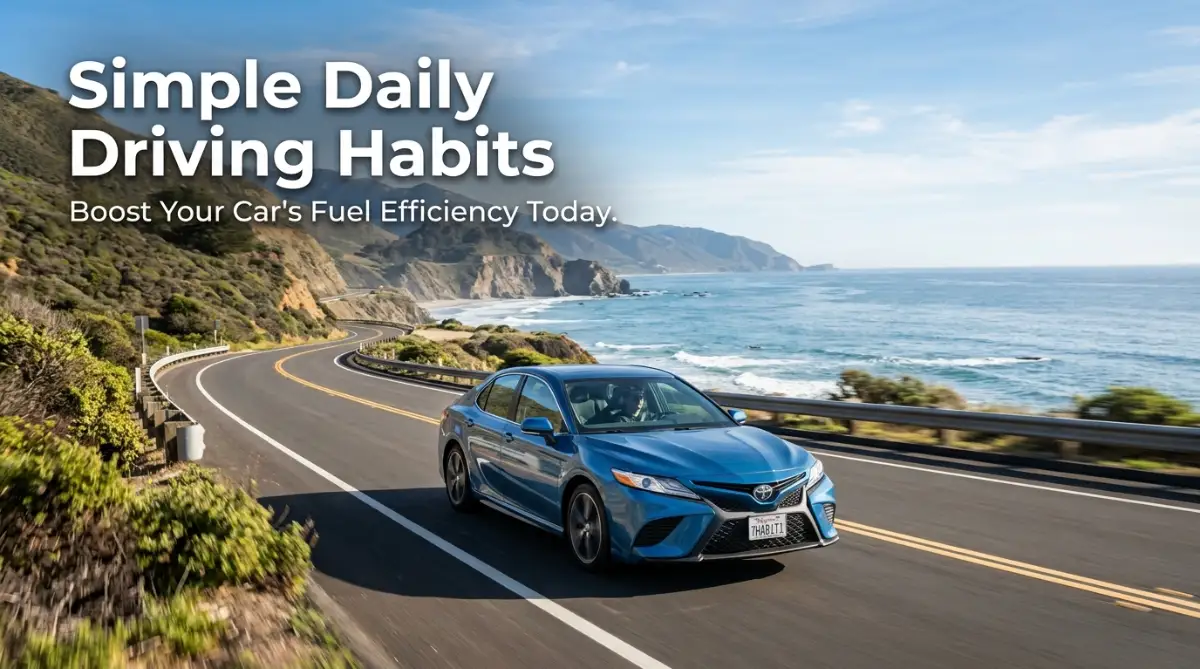
Daily Habits That Make Your Car Run Smarter
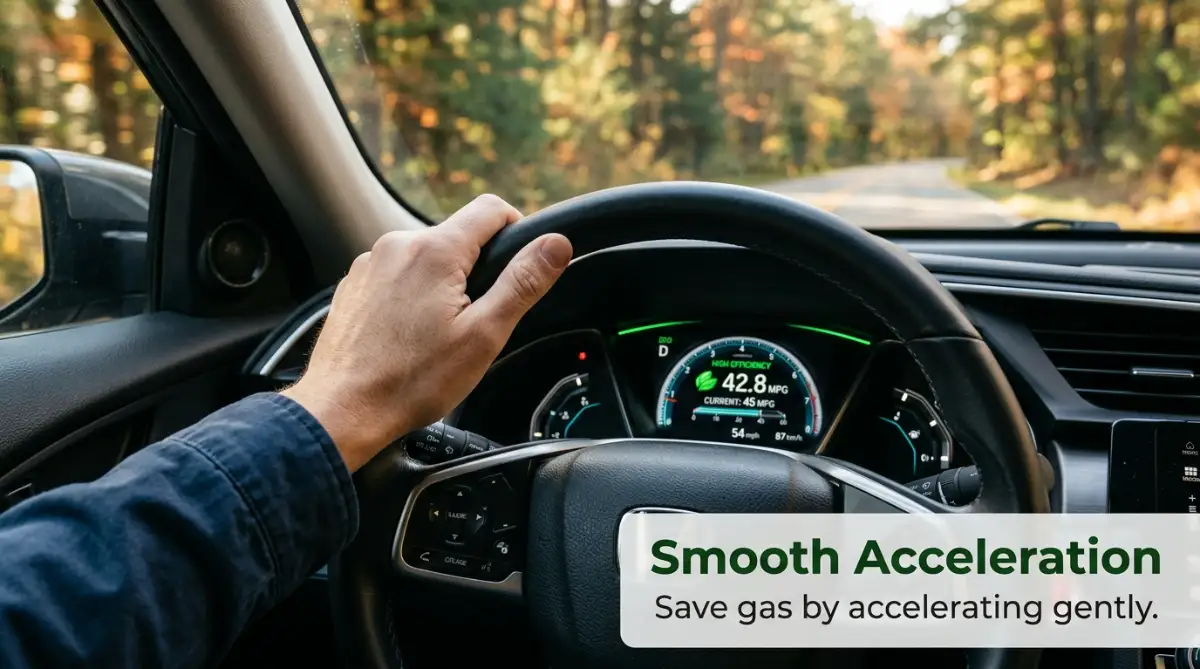
Aggressive driving is the fastest way to empty your gas tank and ruin your car's efficiency. Rapid acceleration and hard braking waste fuel because they force the engine to work at high RPMs.
Instead, try to accelerate gently and give yourself plenty of space to coast to a stop. Imagine you have a full cup of hot coffee on your dashboard that you do not want to spill.
Scientific studies show that smooth driving can improve your fuel economy by up to thirty percent on highways. It also reduces wear on your brakes and tires, saving you even more money over time.
If you want to see exactly how professional drivers save fuel using these smooth acceleration techniques, check out this helpful guide.
Your engine burns more fuel when it has to constantly change speeds. Maintaining a steady pace is one of the easiest ways to keep your engine running in its sweet spot. On flat highways, using your vehicle's cruise control feature is an excellent way to maintain a constant speed. This feature prevents the small, accidental speed changes that happen when you press the gas pedal manually.
However, you should avoid cruise control on very hilly roads. On hills, cruise control can cause your engine to accelerate aggressively to maintain speed, which actually wastes gas. It is a common myth that restarting your car burns more fuel than letting it idle. In reality, idling for more than ten seconds uses more fuel than restarting your engine.
If you are waiting for someone, sitting in a long drive-thru line, or parked at a train crossing, turn off your engine. Modern engines are designed to start quickly and efficiently without wasting extra gas. By turning off your car during long waits, you can save a significant amount of fuel over a month. It also keeps harmful emissions out of the air we breathe.
Real Lessons From My Own Fuel Efficiency Journey
When I first started trying to save gas, I used to let my car idle in the driveway for ten minutes every single morning. I thought it was good for the engine, but I quickly realized I was just burning cash for no reason. Once I stopped this habit and started driving gently right away, my monthly fuel costs dropped noticeably.
Managing Your Vehicle's Physical Performance
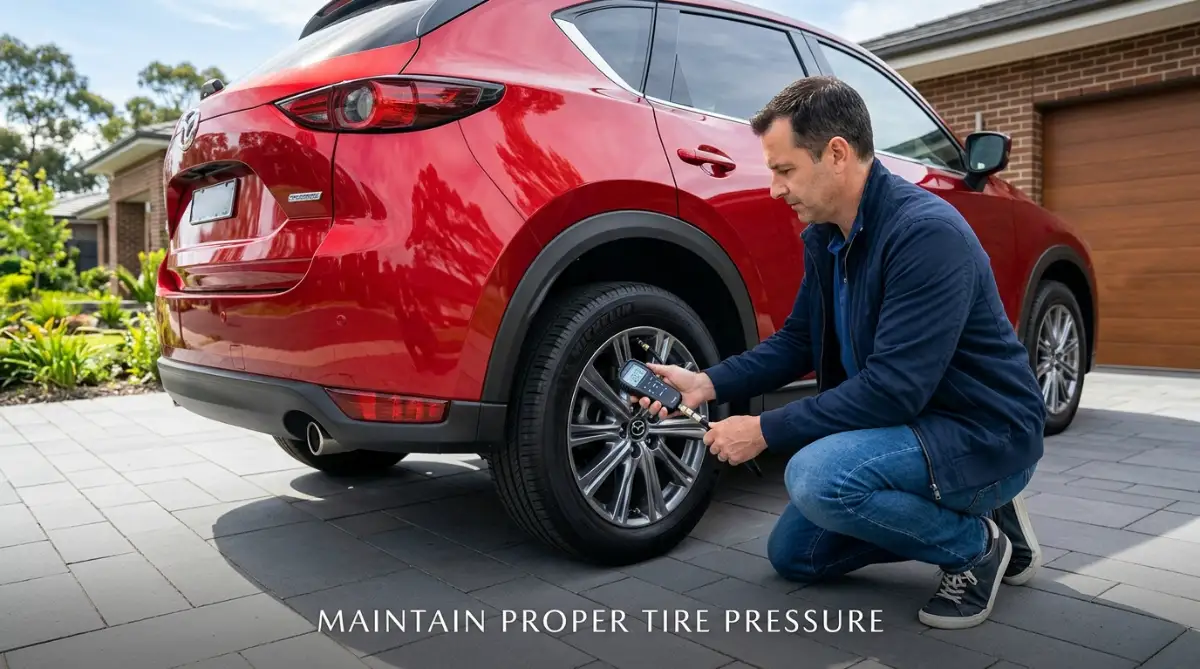
Tires that do not have enough air create more resistance against the road surface. This resistance is known as rolling resistance, and it forces your engine to work harder. Driving with underinflated tires is like riding a bicycle with flat tires—you have to pedal much harder to move forward. The same rule applies to your car's engine.
Check your tire pressure at least once a month using a reliable gauge. You can find the correct pressure level on a sticker inside your driver's door frame. Keeping your tires at the recommended pressure can improve your fuel economy by up to three percent. It also ensures your car handles safely and your tires last longer.
Extra weight in your vehicle requires more energy to move, especially when you are accelerating or driving uphill. Many of us carry unnecessary items in our trunks without thinking about it. Take a few minutes to clean out your trunk and back seat. Remove heavy tools, sports gear, or unused items that do not need to be in the car.
An extra one hundred pounds in your car can reduce your fuel efficiency by about one percent. While that sounds small, it adds up quickly over thousands of miles. Your car's air conditioning system runs on power generated by the engine. Using the AC at low speeds can reduce your fuel efficiency quite a bit.
When you are driving slowly around town, roll down your windows to cool the car instead of using the AC. This lets the breeze cool you down without putting extra load on the engine. However, at highway speeds, open windows create aerodynamic drag, which slows your car down. In this scenario, it is actually more efficient to roll up the windows and use the AC.
Strategic Planning for Smarter Trips
A cold engine burns more fuel because it has to work harder to reach its optimal operating temperature. Multiple short trips starting with a cold engine will waste much more gas than one long trip. Try to plan your day so you can run all your errands in one single journey. This keeps your engine warm and operating at its highest efficiency level throughout the trip.
You will save time, reduce wear on your vehicle, and keep more money in your pocket. It is a simple habit that requires just a little bit of planning. Stop-and-go traffic is one of the worst enemies of good fuel economy. Standing still in traffic jams means you are getting zero miles per gallon while your engine runs.
Before you leave home, use a GPS navigation app to check the traffic conditions on your route. These apps can suggest alternative routes that keep you moving smoothly. Even if the alternative route is slightly longer in distance, keeping a steady speed is often better for your fuel consumption than sitting in traffic. It also reduces driver stress significantly.
Fuel Economy Myths: What Really Works?
There is a lot of misinformation online about how to save gas. Let us look at some common myths and the actual facts behind them so you can focus on what works.
As the table shows, focusing on real driving habits is much more effective than relying on myths. By understanding the truth, you can make decisions that actually save money.
The Long-Term Benefits of Efficient Driving
The most immediate benefit of changing your driving habits is the extra cash in your wallet. When you stop wasting fuel, you will notice fewer visits to the local gas station. These small daily savings can add up to hundreds of dollars over the course of a year. That is money you can use for your savings, family, or other important goals.
Efficient driving habits are also much gentler on your car's mechanical parts. Smooth acceleration and braking mean your engine, transmission, and brakes experience less stress. This leads to fewer mechanical breakdowns and cheaper maintenance bills over the lifespan of your vehicle. Your car will remain reliable for a much longer period of time.
Every gallon of gas your car burns releases carbon emissions into the atmosphere. By reducing your fuel consumption, you are directly shrinking your personal carbon footprint. This helps protect our environment and contributes to cleaner air in your local community. It is a simple way to make a positive impact while saving money at the same time.
How to Stay Consistent with Your New Habits
The best way to stay motivated is to see the actual results of your efforts. You can track your fuel mileage manually or use your car's trip computer. Write down your mileage and the amount of fuel you purchase each time you fill up. Over a few weeks, you will see a clear improvement in your numbers.
It is always easier to build new habits when you have support from the people around you. Share your fuel-saving goals with your family and challenge them to try it too. You can turn it into a fun game to see who can get the best mileage each week. This keeps everyone engaged and helps everyone save money together.
Do not feel overwhelmed trying to change all your driving habits at once. Start by focusing on one or two simple changes, like smooth braking or checking your tires. Once those habits become second nature, you can introduce more changes to your daily routine. Over time, these small adjustments will lead to massive improvements in your car's efficiency.
Riding the brakes means keeping your foot lightly resting on the brake pedal while driving. This creates constant friction, which slows down your vehicle and wastes fuel. It also causes your brakes to wear out prematurely, leading to expensive repair bills. Keep your foot resting comfortably on the floorboard when you do not need to brake.
When your car sits under the hot sun, the temperature inside the fuel tank rises significantly. This heat can cause a small amount of your fuel to evaporate into the air. Parking in the shade or using a garage helps keep your vehicle cool and minimizes this evaporation. It also keeps your cabin cooler, so you do not have to blast the air conditioning when you get back inside.
A dirty car surface creates micro-turbulences in the air as you drive, increasing wind resistance. While the effect is very small, a clean and waxed car cuts through the air more smoothly. By washing and waxing your car regularly, you improve its aerodynamic efficiency slightly. Plus, driving a clean car feels much better and protects your vehicle's paint from damage.
Next-Level Techniques for Maximum Gas Mileage
To get the most out of every single drop of fuel, you need to go beyond the basics. While simple habits make a massive difference, master drivers use advanced techniques to push their vehicles even further. These methods do not require special equipment, but they do require a high level of focus and practice behind the wheel.
Mastering the Rhythm of Pulse and Glide
One of the most powerful secrets used by fuel-saving experts is a method known as pulse and glide. This technique is highly effective on quiet roads with gentle hills or flat stretches of asphalt. Instead of keeping your foot locked on the gas pedal at a constant position, you gently accelerate to your target speed. This is the pulse phase, where your engine runs at its most efficient load.
Once you reach your speed, you release the gas pedal and let the car coast smoothly. This is the glide phase, where your vehicle travels on its own momentum while burning almost zero fuel.
According to professional testing from the U.S. Department of Energy, practicing smart momentum habits can dramatically cut your daily fuel use. It takes some time to get used to this rhythm, but the financial rewards are well worth the effort.
The Art of Riding the Green Wave
When you drive in city traffic, your main goal should be to keep your vehicle moving as much as possible. Every time you come to a complete stop, your engine has to work incredibly hard to get two tons of metal moving again.
To avoid this, you must train your eyes to look far ahead and anticipate traffic signals. If you see a red light in the distance, do not rush toward it only to slam on your brakes.
Instead, ease off the gas pedal early and coast slowly toward the intersection. Often, the light will turn green before you arrive, allowing you to drive straight through without stopping.
This simple habit keeps your car in motion and saves a massive amount of fuel over a normal week. It also keeps you much calmer and reduces the stress of driving in heavy traffic.
Just like you would sit down to create a zero-based budgeting plan to keep your personal finances in order, learning these motion habits helps you take control of your daily road expenses. You will quickly see how much your monthly spending decreases.
How to Use Your Car’s Momentum on Hills
Hills are notorious for destroying your fuel mileage if you do not handle them correctly. Most drivers try to maintain the exact same speed when climbing a steep hill, which forces the engine to shift down and scream at high RPMs. A much smarter approach is to let your speed drop slightly as you head up the hill. Do not fight gravity by pushing the pedal to the floor; let the car slow down naturally by keeping your foot steady.
Once you reach the top of the hill, you can use gravity to regain your speed on the way down. The downward slope will accelerate your vehicle without requiring you to step on the gas pedal. By cooperating with the natural landscape instead of fighting it, you protect your engine from unnecessary strain. This approach makes your hill driving incredibly smooth and highly efficient.
Choosing the Right Motor Oil for Better Performance
The type of oil flowing through your engine plays a massive role in how much resistance your vehicle has to overcome. If your motor oil is too thick, it creates internal drag, which forces the engine to consume more fuel just to turn itself.
Always check your owner's manual to find the exact viscosity recommended by the manufacturer. Many modern cars are designed to use low-viscosity synthetic oils that reduce friction to an absolute minimum.
Using the correct oil keeps your engine parts sliding smoothly and ensures maximum energy is sent directly to your wheels. It is an easy maintenance step that pays for itself every time you drive.
According to a study published by the Society of Automotive Engineers, using the correct high-efficiency motor oil can improve your overall fuel economy by up to two percent. It also prolongs the life of your engine by reducing friction-related wear.
Common Pitfalls That Quietly Drain Your Fuel Tank
Many well-meaning drivers try to save gas but end up making mistakes that actually hurt their cars or increase their fuel bills. It is incredibly frustrating to put effort into saving money, only to find out you are doing more harm than good. Understanding these traps is the only way to protect your wallet and your vehicle.
Letting the Engine Idle to Warm Up in Winter
One of the most common mistakes is leaving a vehicle running in the driveway for ten or fifteen minutes on cold mornings. People believe this protects the engine and warms up the oil before they begin driving.
While this was true for old cars with carburetors, modern fuel-injected engines do not need this long warm-up period at all. In fact, prolonged idling washes oil away from your cylinder walls and wastes a huge amount of fuel.
The fastest and safest way to warm up a modern engine is to start driving gently after about thirty seconds. This gets the entire vehicle up to its optimal temperature much faster than idling in place.
Driving with Empty Roof Racks and Cargo Boxes
Another mistake that quiet cleans out your bank account is leaving heavy cargo carriers or bike racks on your roof when they are not in use. These accessories ruin your car's aerodynamics by acting like a giant sail in the wind.
Your engine has to burn a shocking amount of extra fuel just to push against the air resistance created by these objects. Even an empty roof rack can reduce your highway fuel economy by up to fifteen percent.
Take the extra ten minutes to remove these racks when you are not actively carrying gear. You will feel the difference in how easily your car glides down the highway, and you will save money instantly.
While some drivers worry about the security of modern smart car apps and the dangers of cloud storage when tracking their fuel, the real danger is wasting money on physical road drag. Keep your car sleek to keep your money safe.
Over-Inflating Tires for Better Mileage
Some people read online that high tire pressure reduces rolling resistance, so they pump their tires far past the recommended limit. While this might slightly reduce friction, it is an incredibly dangerous mistake that you must avoid.
Over-inflated tires have a much smaller contact patch with the road, which drastically reduces your car’s traction and braking performance. It also causes the center of your tires to wear out incredibly fast, forcing you to buy expensive replacements much sooner.
Stick to the manufacturer's recommended pressure listed on your door placard. This number provides the perfect balance of safety, comfort, and fuel efficiency.
Waiting for the Fuel Tank to Get Empty Before Filling Up
Many drivers have a habit of waiting until their low-fuel warning light comes on before they finally visit a gas station. This habit can cause serious damage to your fuel pump over time.
Your fuel pump sits inside the gas tank and relies on the fuel itself to keep cool during operation. When you constantly run on an empty tank, the pump overheats and wears out prematurely.
Replacing a broken fuel pump is an incredibly expensive repair that will instantly wipe out any money you saved on gas. Try to keep your tank at least one-quarter full to protect your vehicle’s mechanical health.
Saving money on fuel feels as great as successfully reducing monthly interest charges on your bank loans. Do not let silly mistakes like a broken fuel pump steal that hard-earned feeling from you.
Ignoring Minor Engine and Alignment Issues
It is easy to ignore a slight pull in your steering wheel or a minor check engine light when your car seems to be running fine. However, these small issues can quietly destroy your vehicle’s efficiency behind the scenes. If your wheels are out of alignment, your tires are essentially dragging sideways against the road surface as you drive. This constant dragging force makes your engine work much harder than it needs to.
Similarly, a faulty oxygen sensor or a clogged air filter can cause your engine to burn far more fuel than necessary. Addressing these small problems early keeps your car in top shape and saves you a fortune at the gas pump.
According to data compiled by the Environmental Protection Agency, fixing a faulty oxygen sensor can improve your fuel mileage by up to forty percent. Keeping your car well-maintained is one of the most reliable investments you can make.
Your New Road Map to Daily Fuel Savings
Transforming your driving style does not happen overnight, but the path forward is incredibly simple. By taking control of how you accelerate, brake, and maintain your vehicle, you can turn fuel efficiency into a natural habit.
Just like gamers have to learn to deal with virtual reality motion sickness to enjoy their playtime, drivers must learn to handle sudden stops to enjoy smooth, fuel-efficient rides. It is all about adjusting your behavior to get the best possible outcome.
Action Plan for Tomorrow
To help you get started immediately, here is a simple checklist you can follow on your next drive:
- Check your tire pressure before you start your commute to ensure it matches the recommended levels.
- Remove any heavy items or unnecessary gear from your trunk and back seat.
- Accelerate gently from every stop light, keeping your engine RPMs as low as possible.
- Look far ahead to anticipate traffic changes so you can coast instead of braking hard.
- Keep your windows rolled up at highway speeds to minimize aerodynamic drag on your vehicle.
By focusing on these small adjustments, you will start seeing real results from your very first trip. Over time, these daily actions will become completely automatic, saving you money without any extra thought.
I started this journey with nothing but a desire to stop wasting money, and the changes I saw were real and immediate. My car now goes much further on a single tank, and I feel a great sense of peace every time I drive. I encourage you to take the wheel today, make these small changes, and watch your daily savings grow.
Answers to Your Daily Driving Questions
Does using cruise control always save gas?
Using cruise control is highly effective on flat highways because it maintains a steady, efficient speed. However, you should turn it off on hilly roads, as it can cause your engine to accelerate aggressively to climb slopes, which wastes fuel.
Is it better to drive with the windows down or use the AC?
At low speeds around town, rolling your windows down is more efficient because it cools you without drawing power from the engine. At highway speeds, open windows create massive aerodynamic drag, making it more efficient to roll them up and use the air conditioning.
Does carrying extra weight in the trunk really affect mileage?
Yes, carrying extra weight forces your engine to work harder during acceleration and hill climbing. Removing just one hundred pounds of unnecessary gear from your vehicle can improve your fuel efficiency by up to one percent over time.
How often should I check my tire pressure to save fuel?
You should check your tire pressure at least once a month using a reliable gauge. Underinflated tires create extra rolling resistance against the road, which can reduce your overall fuel economy by up to three percent.
Does premium gasoline give better fuel economy than regular gas?
Premium gas only improves efficiency in vehicles that are specifically designed and tuned for it. If your owner’s manual recommends regular unleaded fuel, using premium gas will not provide any extra mileage and is simply a waste of money.
Disclaimer
The information provided in this article is for educational and informational purposes only. Driving habits and vehicle maintenance should always be performed in accordance with your vehicle manufacturer's guidelines and local traffic safety laws. The author and publisher are not responsible for any mechanical issues, accidents, or financial losses that may result from the application of these tips.