
The Day My Engine Screeched to a Halt: A Costly Wake-Up Call
I still remember the smell of burning metal and the thick black smoke rising from my hood on a rainy Tuesday. I was late for work, and suddenly my engine started making a horrible knocking sound. Just minutes later, my car died right in the middle of a busy highway. I had to pay thousands of dollars for a complete engine replacement all because I skipped a simple oil change.
It was a painful and embarrassing lesson that I will never forget. That day changed how I looked at car maintenance forever. We rely on our cars to get us to work, pick up our kids, and run our weekly errands. When that engine warning light pops up, your heart immediately drops into your stomach.
You start worrying about how much the mechanic will charge you this time. Many of us live paycheck to paycheck, and an unexpected car repair can completely ruin our budget.
The constant worry of hearing a strange ticking sound under the hood ruins your peace of mind. You find yourself turning down the radio just to listen for warning noises.
It is exhausting to live with that constant fear of your car breaking down at the worst possible moment. You wonder if you can trust your vehicle for your next family road trip. The financial strain of paying for a major engine rebuild is truly overwhelming. It makes you feel like you are failing to keep your life organized and safe.
We often ignore the tiny warning signs because we are too busy with our daily lives. We tell ourselves we will fix it next weekend, but next weekend never comes. Then, the worst happens, and we are left stranded on the side of the road, feeling completely helpless. This emotional distress is something no driver should have to go through.
The Silent Killers: Oil Mistakes That Are Destroying Your Engine From Inside
1. Waiting Too Long Between Oil Changes (The Myth of the 10,000-Mile Oil)
Many modern motor oils claim they can last for over ten thousand miles without a change. While this sounds great for your wallet, it can be a trap for your engine. Over time, even the best synthetic oil breaks down due to extreme heat and friction. It slowly loses its ability to lubricate the moving metal parts inside your motor.
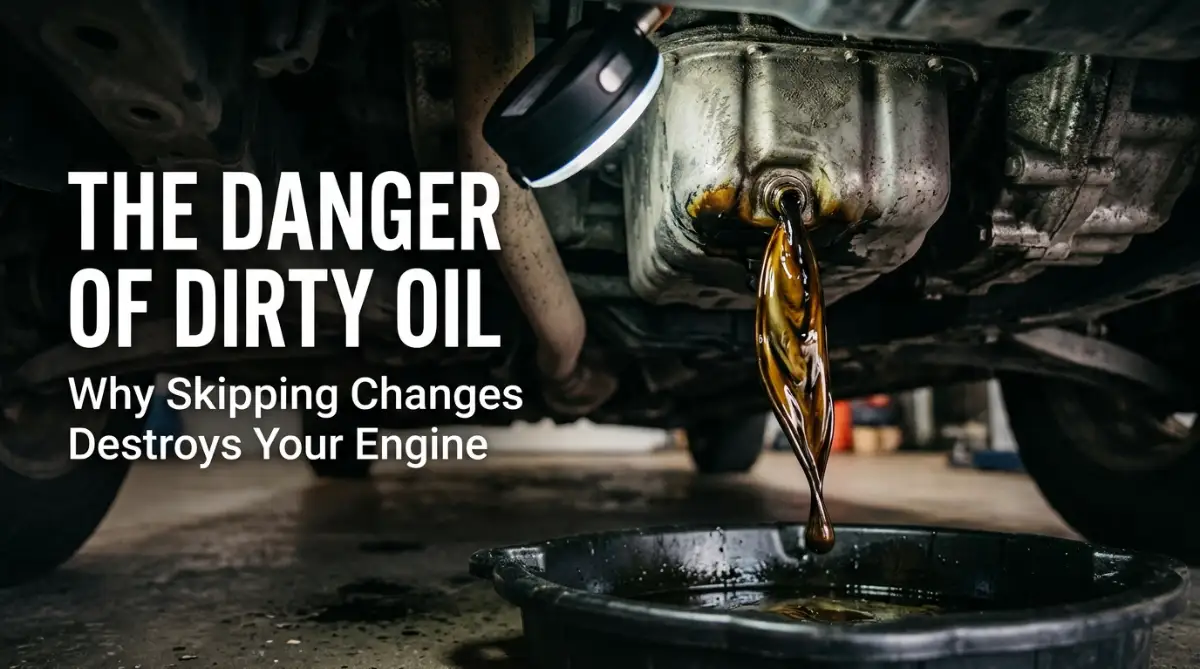
When oil gets too old, it collects dirt, dust, and tiny metal shavings. Instead of protecting your engine, it starts acting like sandpaper on your internal parts. This causes rapid wear and tear on your pistons and cylinders. Waiting too long means you are letting dirty, abrasive fluid run through your expensive machine.
The simple solution is to check your oil level and color every two weeks. Do not just wait for the dashboard reminder to light up. A quick physical check can save you from a massive repair bill down the road. It takes only two minutes of your time but provides massive protection.
2. Using the Wrong Oil Viscosity (The Modern Engine's Worst Nightmare)
Have you ever looked at the numbers on an oil bottle, like 5W-30 or 0W-20? These numbers tell you how thick or thin the oil is at different temperatures. Modern engines are built with incredibly tight spaces between their moving components. If you use oil that is too thick, it cannot squeeze into these tiny gaps.
This is especially dangerous during cold starts when your engine needs immediate lubrication. Running a cold engine with thick oil causes instant, severe metal-on-metal wear. On the other hand, using oil that is too thin can be just as damaging. Under high heat, thin oil cannot form a strong protective film over your parts.
This leads to overheating and can destroy your engine bearings in a matter of minutes. Always check your owner's manual to find the exact weight your car needs. Never let a quick-lube shop convince you to use a different oil weight just because they are out of stock. Demand the correct rating to keep your engine safe.
3. Ignoring the Oil Filter (Why a Dirty Filter Ruins Fresh Oil)
Changing your motor oil without changing the filter is a major mistake. It is like taking a fresh shower and then putting your dirty work clothes back on. The oil filter has a very basic but essential job. It traps all the harmful debris, carbon, and metal flakes before they can recirculate.
Once a filter gets completely clogged, it can no longer clean the passing oil. To prevent engine starvation, a built-in safety valve opens up automatically. This safety valve allows dirty, completely unfiltered oil to flow right back into your engine. Your brand-new oil becomes dirty almost instantly.
I used to think I could save a few bucks by changing my filter every second oil change. My mechanic later showed me the thick metal flakes trapped inside my old filter, and I felt sick. Now, I always buy a premium quality oil filter with every single oil change. This simple habit keeps my engine running clean and extends its life.
4. Topping Up Instead of Changing (The Toxic Sludge Build-Up)
If your car burns a little oil, you might think you can just keep adding fresh oil. This is a dangerous habit that leads to heavy chemical buildup. Adding fresh oil does not remove the dirty, acidic sludge already sitting at the bottom. It only dilutes the dirt slightly while the core issues remain.
The old, contaminated oil contains chemical acids that slowly eat away at your engine seals. Over time, this mixture turns into a thick, tar-like sludge. This sludge blocks the small oil passages, starving your engine of much-needed lubrication. The only way to remove it is a complete drain and refill.
Make sure you follow a strict schedule for complete oil drains. Your car will thank you with years of smooth, trouble-free performance. Keeping your oil clean is the easiest way to avoid catastrophic engine failures. It pays to be proactive rather than reactive with your maintenance.
Watch this simple visual breakdown of how dirty oil turns into engine-killing sludge and how you can prevent it today.
5. Driving on a Cold Engine (Why Short Trips Damage Oil Life)
Many people do not realize that short drives are incredibly tough on motor oil. If you only drive five minutes to the grocery store, your engine never warms up fully. When your engine runs, moisture and water vapor naturally form inside the combustion chamber. If the engine reaches its full temperature, this water safely evaporates.
On short trips, however, the water stays trapped inside your oil pan. This water mixes with the motor oil and creates a milky, acidic liquid. This acidic mix slowly corrodes your internal metal parts from the inside out. It also breaks down the oil's lubricating qualities much faster than usual.
If your daily commute is short, you need to change your oil more frequently. Your manual will often list this under severe driving conditions. Try to take your car on a longer highway drive at least once a week. This allows the engine to reach its full heat and burn off trapped water.
6. Ignoring Tiny Oil Leaks (The Danger of Running Dry)
A tiny drop of oil on your driveway might not seem like a big deal. However, even a small leak can quickly lead to a dry engine. Your engine holds a specific amount of oil to keep all parts moving smoothly. When the oil level drops too low, friction increases immediately.
This friction generates extreme heat that your cooling system cannot handle. Before you know it, your engine can seize up completely. A seized engine is usually a total loss and costs thousands to replace. Checking your parking spot for fresh dark spots is an easy safety habit.
You can also place a clean piece of cardboard under your car overnight. This makes it very easy to spot any slow leaks early. Address any leaks immediately with a trusted professional mechanic. Small fixes now prevent massive, expensive disasters later.
7. Falling for Cheap No-Name Oil Brands
It is tempting to grab the cheapest bottle of oil on the store shelf. However, cheap, off-brand oils often lack the high-quality additives your engine needs. Quality motor oils contain special detergents, rust inhibitors, and friction modifiers. These additives protect your engine under extreme pressure.
Cheap oils often break down much faster under high operating temperatures. They leave behind carbon deposits that clog your engine over time. To keep your car running well, look for the API starburst symbol on the bottle. This symbol ensures the oil meets strict industry standards.
Investing a few extra dollars in name-brand oil is cheap insurance. It keeps your car reliable and protects your major financial investment. Your car’s engine is a complex machine that deserves the best care. Don't compromise its life just to save a couple of dollars.
8. Overfilling Your Engine with Oil (Too Much of a Good Thing)
Some drivers believe that if a little oil is good, more must be better. This is a dangerous misunderstanding that can ruin your engine. When you overfill the oil pan, the spinning crankshaft comes into contact with the oil. This constant whipping action turns the liquid oil into a frothy foam.
Your oil pump cannot pump foamy oil effectively through the engine passages. The moving parts are left without proper lubrication, causing massive friction. Overfilling also increases the pressure inside your engine crankcase. This high pressure can easily blow out major engine seals, causing massive leaks.
Always use your dipstick to check the exact level after adding oil. Make sure the oil level sits perfectly between the two indicator marks. If you accidentally add too much oil, drain the excess immediately. Taking this quick step protects your seals and keeps your engine running smoothly.
9. Forgetting to Clean the Oil Cap Area (The Threat of Dirt Intrusion)
Before you open your oil filler cap, take a close look at the surrounding area. There is often a thick layer of road dust, dirt, and grime settled there. If you do not clean this area first, that dirt can fall straight into your engine. Even tiny pieces of sand can cause severe damage to your engine cylinders.
These hard particles act like abrasive cutters as they flow with the oil. They scratch the highly polished metal surfaces and destroy tight seals. Always keep a clean rag in your glovebox or garage. Wipe down the filler cap and the surrounding valve cover before adding any oil.
This simple five-second habit keeps your engine's internal environment clean and safe. It is an easy way to practice high-quality vehicle maintenance. Keeping dirt out is just as important as keeping clean oil in. Make it a rule to clean before you pour every single time.
10. Not Knowing the Difference Between Synthetic and Conventional Oil
Choosing the wrong type of oil for your driving habits can shorten your engine's life. Conventional oil is cheaper but breaks down much faster under stress. Synthetic oil is chemically engineered to provide superior protection under extreme heat and cold. It keeps its lubricating properties longer and resists sludge formation.
If our owner's manual requires synthetic oil, never use conventional oil to save money. Doing so can cause rapid engine wear and void your warranty. On the other hand, switching to synthetic oil for older cars is usually a great upgrade. It helps clean out old deposits and improves overall efficiency.
Understand what your specific engine needs to perform at its very best. Making the right choice at the auto store keeps your car on the road longer. Talk to a trusted specialist if you are unsure about the best option. Getting expert advice helps you make smart decisions for your vehicle.
11. The Danger of Neglecting Oil Changes in Electric and Hybrid Cars
Many hybrid car owners believe they do not need to worry about oil changes as often. Since the electric motor does some work, they assume the oil stays fresh . This is a dangerous assumption that can lead to unexpected engine damage. Hybrid engines actually cycle on and off frequently, which creates unique thermal stress.
This constant cycling prevents the gasoline engine from staying at its ideal operating temperature. As a result, fuel and moisture can easily contaminate the motor oil.
Regular oil changes are just as important for hybrids as they are for standard cars. Do not let the electric badge fool you into neglecting basic maintenance.
Keep a detailed log of your maintenance intervals to ensure you stay on track. Consistent care is the key to protecting your high-tech hybrid investment. Treat your hybrid's combustion engine with the same respect as any other car. Clean oil keeps both systems working in perfect harmony.
12. Misunderstanding the Oil Pressure Warning Light
Some drivers think the oil pressure light on the dashboard is just a friendly reminder. They assume it means they are slightly low on oil and can keep driving. In reality, that red warning light means your engine has lost oil pressure completely. It is a critical emergency that requires you to pull over immediately.
Driving even a short distance with zero oil pressure will destroy your engine within seconds. The metal parts will weld themselves together due to extreme friction. If you see this light, turn off the engine as soon as it is safe to do so. Call a tow truck instead of trying to drive to the nearest service station.
Knowing how to react to dashboard lights can save you from a complete financial loss. Always take warning lights seriously to protect your safety and your wallet. Educate yourself on your car’s warning systems so you can make quick decisions. A fast response prevents a small issue from becoming a total disaster.
Mastering Engine Care: Pro-Level Routines for Maximum Longevity
Keeping your car running smoothly for hundreds of thousands of miles requires more than just basic oil changes. You need to look at advanced routines that professional mechanics use to keep high-performance machines in perfect shape. These steps are simple to learn and will keep your vehicle out of the repair shop.
Just as protecting your digital files means knowing the hidden dangers of cloud storage, protecting your car means knowing what is happening deep inside the motor. One of the best secrets is sending a small sample of your used oil to a laboratory. This process is called engine oil analysis, and it acts like a medical blood test for your car.
The lab report will show you the exact levels of wear metals, fuel contamination, and remaining additive life in your fluid. This allows you to spot internal engine wear before a major breakdown happens. Many high-authority resources, including studies published by the Society of Automotive Engineers, prove that regular oil analysis is the best preventative tool for long-term health.
Another advanced trick is installing a high-quality magnetic oil drain plug during your next service. This inexpensive plug has a strong magnet that pulls microscopic iron filings out of your flowing oil. These tiny metal shavings are too small for the filter to catch but can still wear down your engine bearings over time.
When you change your oil, you will physically see the captured metal debris stuck to the end of the magnet. It gives you a clear visual indicator of how much wear your engine is experiencing. Cleaning this magnet at every service is an easy way to protect your cylinder walls from scratching.
We also need to discuss the positive crankcase ventilation valve, which is commonly known as the PCV valve. This tiny plastic valve plays a major role in keeping your motor oil clean. It vents harmful combustion gases and moisture out of your engine crankcase.
If your PCV valve gets stuck closed, these corrosive gases stay trapped inside your engine. This rapidly breaks down your fresh oil, forming thick black sludge within just a few weeks. Replacing this cheap valve once a year keeps your engine breathing easily and extends your oil life.
To manage these extra maintenance steps without breaking your bank, a solid financial plan is helpful. If you want to manage your car repair costs better, using a beginner's blueprint to zero-based budgeting can help you plan your monthly expenses. This ensures you always have cash set aside for premium oil filters and high-quality synthetic lubricants.
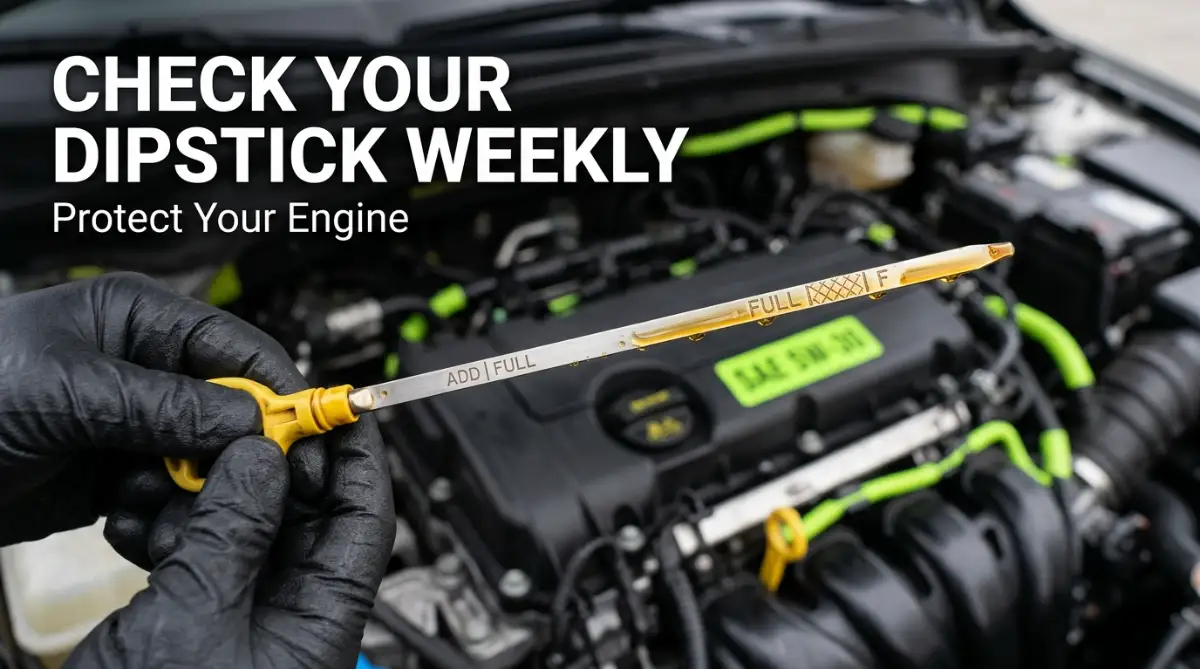
Do check your oil level at least once a month when the engine is cold and parked on a level surface. This gives you an accurate reading on your dipstick and lets you catch slow oil loss early. Don't simply trust the digital oil life monitor on your dashboard, as it only estimates oil wear based on driving time.
Do invest in high-quality full synthetic fluids if you live in areas with extreme seasonal temperatures[. Synthetic oils flow much better during freezing winter mornings and resist thinning under extreme summer heat. Don't mix different brands or weights of oil unless you are in an absolute roadside emergency.
Just like finding a way to stop VR motion sickness to make gaming comfortable again, finding the right routine for your car makes your daily drive stress-free. Consistency is the real secret behind keeping an engine running like new. When you build these advanced steps into your monthly routine, your vehicle will reward you with ultimate reliability.
Critical Blunders That Could Cost You a New Motor
It is easy to make mistakes when you are trying your best to maintain your vehicle. Many well-meaning car owners accidentally damage their engines by falling for common maintenance traps. These errors are often promoted by clever marketing or bad advice from internet forums.
One of the biggest blunders is pouring cheap aftermarket oil treatments or thick honey-like stabilizers into your engine. Modern high-quality motor oils are already carefully engineered with a balanced package of active chemical additives. When you add external chemicals, you upset this delicate balance and can cause the oil to foam or lose its protective qualities.
This chemical imbalance can block oil flow and lead to rapid wear on your camshafts and lifters. It is a highly stressful mistake that can end up costing you thousands in professional engine repairs. To keep your motor safe, rely only on premium certified oils and let the factory chemistry do its job.
Another dangerous trap is over-tightening the oil drain plug or the oil filter during a home garage service. Many people think that tightening these parts as hard as possible will prevent leaks. In reality, over-torquing can easily strip the soft metal threads on your engine's oil pan.
A stripped oil pan is an absolute nightmare that often requires removing the entire engine to replace. Over-tightening the oil filter is just as risky because it can easily crush or tear the rubber sealing gasket. This leads to a sudden, massive oil leak while you are driving down the highway, resulting in immediate engine failure.
If you have already spent too much on car repairs and need to handle your debts, you might want to learn how to force your bank to lower your personal loan rates to free up some extra cash. This financial relief can help you focus on quality professional mechanics rather than resorting to risky DIY repairs. Proper maintenance requires the right tools, including a calibrated torque wrench to ensure every bolt is tightened correctly.
We also need to warn you about driving your car hard before the oil has reached its proper operating temperature. Many drivers see that their dashboard temperature needle has reached the middle and assume their car is ready for fast driving. However, your engine coolant warms up much faster than your engine oil.
It often takes twice as long for your motor oil to warm up and flow properly through the engine passages. Driving aggressively on cold, thick oil causes severe internal stress and wear on your turbocharger bearings. Always give your car a few minutes of gentle driving to allow the oil to warm up and protect your parts.
Your Action Plan for Tomorrow: Building a Lifelong Car Care Routine
Taking control of your car's engine health does not have to be a difficult or complicated task. By establishing a simple weekly routine, you can prevent major issues and keep your car running smooth for decades. The peace of mind that comes from knowing your car is reliable is worth every minute of effort.
First, make it a habit to check your engine oil every Saturday morning before you start your car. This cold check gives you the most accurate dipstick reading and ensures the oil has fully settled into the pan. If you notice the oil is consistently low, you can address the issue before it causes any dry friction damage.
Second, choose a highly trusted, certified independent mechanic instead of visiting cheap, fast-service chain shops. Many quick-lube shops hire inexperienced technicians who are rushed to complete every job in under ten minutes. This rushed environment leads to stripped drain plugs, loose filters, and incorrect oil types being used in your engine.
According to detailed automotive advice from Consumer Reports, building a relationship with a dedicated local mechanic is the best way to maintain your car's value. A trusted mechanic will take the time to inspect your entire vehicle, spotting tiny issues before they become massive bank-breaking disasters. It is always better to pay a little more for honest, high-quality labor that protects your major investment.
Third, keep a detailed paper or digital logbook of every single service your car receives. Write down the exact mileage, the date of the service, the specific brand of oil, and the type of filter used. This record is incredibly valuable if you ever decide to sell your car, as buyers love to see proof of meticulous care.
It also helps you stay on top of your maintenance schedule so you never accidentally skip a necessary oil change. If you have a busy life, set a recurring reminder on your smartphone calendar to keep you on track. Simple organization is the key to avoiding costly engine replacements and keeping your stress levels low.
To get the most out of your car, you must treat its engine as the heart of your daily freedom. When you feed it premium fuel, use high-quality synthetic lubricants, and change its filters regularly, it will always be ready to take you on your next adventure. Your car is always there for you, so make sure you are there for your car.
I have spent years caring for my own vehicles, and I can tell you that preventive maintenance is the most satisfying investment you can make. Whenever I pull my dipstick and see clean, golden oil, I feel a great sense of pride and confidence in my daily drive. I encourage you to pop your hood this weekend and take that first simple step toward protecting your engine's future.
Your Top Questions About Engine Oil Answered
How can I tell if my motor oil is still good just by looking at it?
Clean engine oil is usually a clear, golden-amber color when you pull the dipstick. If the oil is dark black but still translucent, it is likely doing its job of catching dirt and is still safe. However, if the oil feels gritty to the touch or looks like thick black chocolate syrup, you need to change it immediately to prevent sludge damage.
Is it safe to mix synthetic oil with conventional engine oil?
Yes, it is technically safe to mix these two types of oil in an emergency situation when your engine is dangerously low. However, doing so will dilute the high-performance benefits and protective additives of the premium synthetic oil. It is always best to perform a full oil drain and refill with the recommended oil type as soon as possible.
Why does my car consume oil even though I do not see any active leaks?
Modern engines naturally burn a tiny amount of oil during normal combustion, especially as the vehicle ages. This happens because worn piston rings or valve guides allow microscopic drops of oil to enter the combustion chamber and burn away. If your car is consuming more than a quart of oil every thousand miles, you should have it inspected by a professional mechanic.
Should I change my engine oil based on time or based on mileage?
You should always change your oil based on whichever limit your manufacturer recommends first, whether it is mileage or months. Even if you do not drive your car often, motor oil naturally degrades and absorbs moisture from the air over time. For example, AAA guidelines on vehicle care suggest changing your oil at least twice a year to keep your engine safe from corrosive moisture.
Can a bad oil filter cause my dashboard oil pressure warning light to turn on?
Yes, a completely clogged or cheaply manufactured oil filter can severely restrict the flow of oil to your engine. This restriction drops the pressure inside the system and triggers the dashboard warning light. If you see this light, turn off your engine immediately to prevent catastrophic internal metal damage.
Disclaimer: The information provided in this article is for educational and informational purposes only. Always consult your vehicle's owner's manual and a certified professional mechanic before performing any automotive maintenance or mechanical repairs on your vehicle.