The Hidden Reality of Going Green
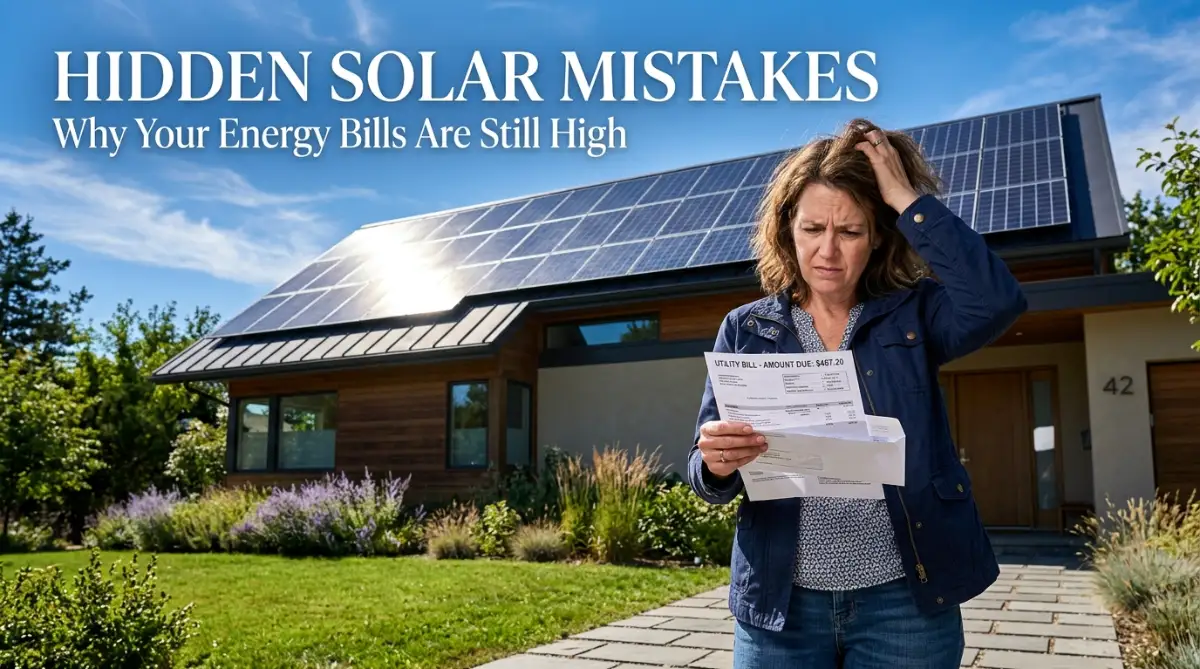
I still remember the day my solar system was finally turned on. I stood in my front yard, looking proudly at my roof, thinking I had just solved my energy problems forever. I imagined my next electricity bill would be zero, or maybe the power company would even send me a check. But when that first envelope arrived in the mail a month later, my heart completely sank. The bill was barely a few dollars less than what I used to pay before the installation. I felt totally cheated, confused, and overwhelmed by a massive sense of regret.
It felt like I had thrown a massive amount of my hard-earned money straight out the window. I spent countless nights staring at the ceiling, wondering if the sales guy had simply lied to my face. My neighbors were bragging about their amazing savings, yet here I was, stuck with a hefty loan payment and an electric bill that refused to drop. I felt embarrassed to even talk about it with my friends.
This is a silent struggle thousands of homeowners face every single day. You make the big decision to switch to renewable energy, expecting financial freedom. Instead, you end up trapped in a cycle of endless confusion, trying to figure out why your expensive rooftop system is barely making a dent in your daily consumption.
The mental peace you thought you were buying completely vanishes. You start constantly checking your phone app, obsessing over every cloud that passes by the sun. You yell at your kids for leaving the lights on, even though the whole point of going solar was to stop worrying about things like that.
The worst part is the feeling of absolute helplessness. The solar company tells you the system is functioning perfectly, but your bank account tells a very different story. You realize there is a massive gap between the marketing promises and your actual reality.
The truth is, solar energy works beautifully, but only when it is set up with absolute precision. A few unseen errors during the planning and mounting phases will quietly steal your expected output. Small oversights, which most installation crews completely ignore to save time, become long-term financial drains for you.
Fixing the Silent Leaks in Your Solar Setup
You do not have to live with a poorly performing energy system. By understanding the mechanics of how your setup actually gathers and processes sunlight, you can easily identify where your power is leaking. Let us break down the exact technical traps that ruin your output and explore how to fix them right now.
The Garden Hose Effect on Your Roof
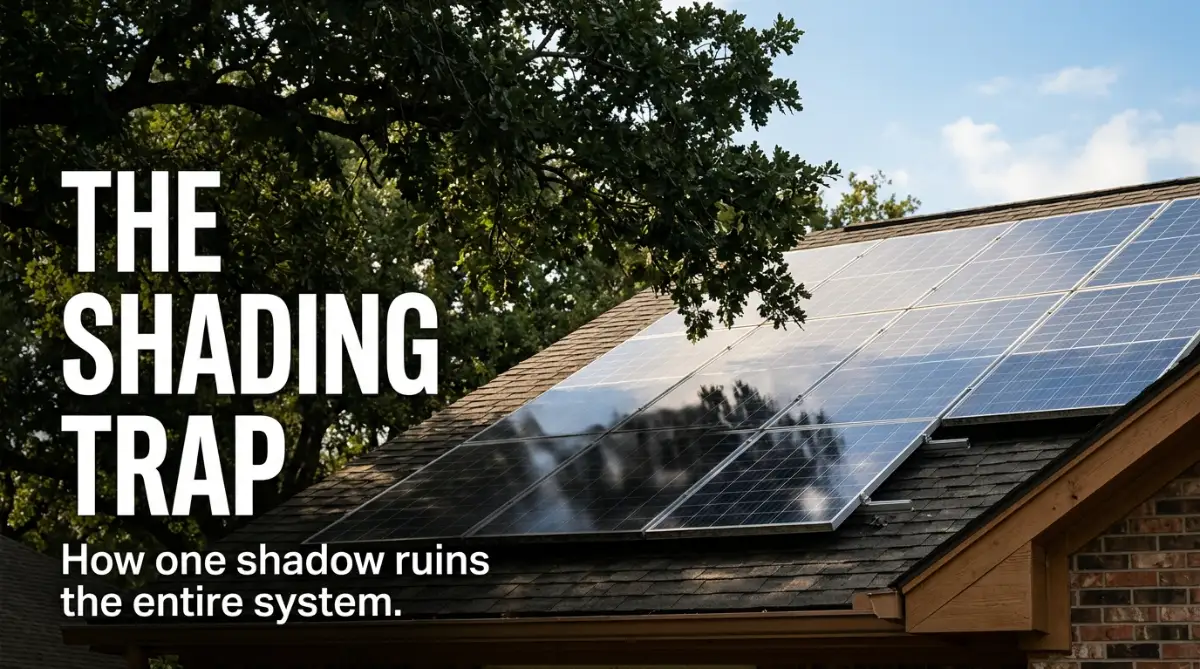
One of the most common reasons your system underperforms is something experts call partial shading. Many homeowners think that if a tree branch covers just one single panel, only that specific panel will stop working. This is a massive misunderstanding of how standard wiring actually operates.
Most budget-friendly setups use something called a string inverter. In this setup, all your panels are wired together in a single chain, acting exactly like an old set of holiday lights. If a chimney shadow falls across just one corner of a single panel, the output of the entire chain drops to match that weakest link.
Think of it like a garden hose carrying water. If you step on the hose, the water flow stops for the entire length of the pipe, not just at the spot you stepped on. A small shadow from a neighbor's roof line can easily cut your total daily production in half without you even noticing.
How to solve this today:
If you have shading issues, you need to ask your installer about Microinverters or DC Optimizers. These tiny devices are attached directly under each individual panel. They allow every single panel to operate completely independently from the others.
If a bird drops something on one panel, or a morning shadow covers another, the rest of your roof will continue to generate maximum power. Upgrading your inverters is the fastest way to instantly recover lost electricity.
Getting the Sun's Path Completely Wrong
You would be amazed at how many companies slap panels onto a roof without properly calculating the true path of the sun. Just because a roof looks empty and spacious does not mean it is the right place for capturing sunlight. Pointing your panels in the wrong direction is like trying to catch rain with an upside-down bucket.
In the northern hemisphere, your panels should ideally face true south to absorb the most intense midday rays. However, many rushed installers simply follow the existing angle of your house, even if it points east or west. While east and west setups can still gather light, they will produce significantly less overall power than a true south-facing array.
Bold Introductory Text: Want to visually understand exactly how roof angles destroy your power production? Watch this incredible breakdown to see how a simple compass mistake can cost you thousands in lost energy.
Roof pitch, which is the steepness of your roof, also plays a massive role in your daily production. If your roof is too flat, the morning and afternoon sun will simply bounce off the glass instead of absorbing into the cells. If your roof is too steep, the high summer sun will completely miss the optimal angle.
The Bottleneck of Undersized Inverters
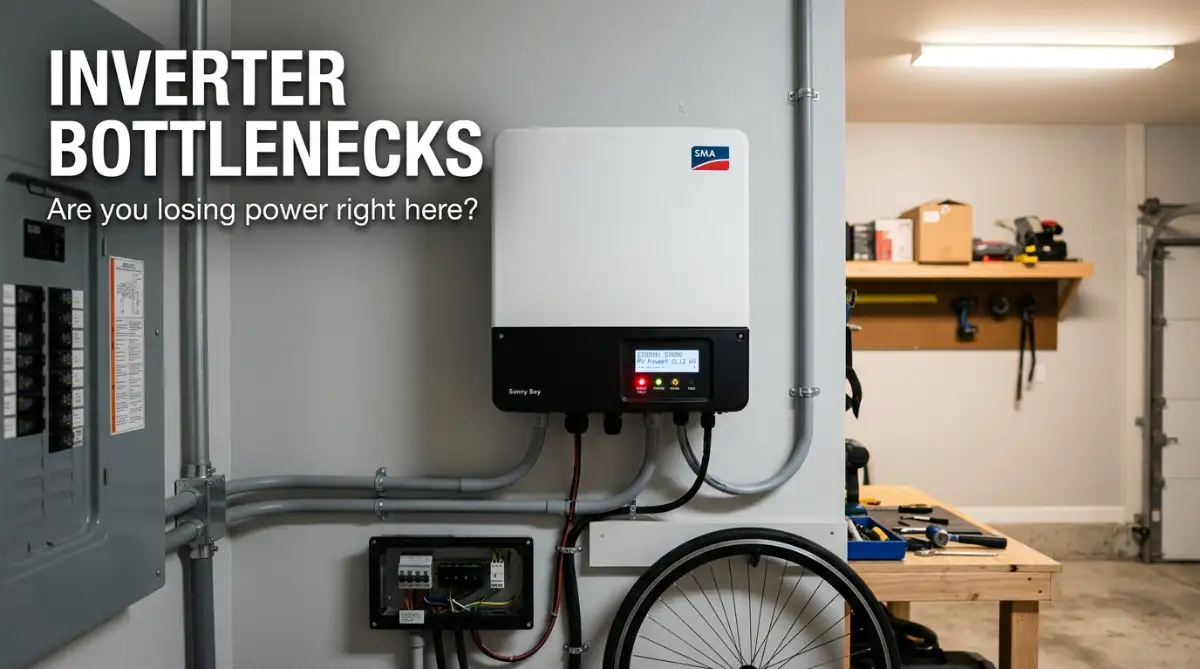
Your panels collect Direct Current (DC) power from the sun, but your home appliances run on Alternating Current (AC) power. The inverter is the magical box on your wall that translates the DC power into AC power. However, this box can easily become the biggest bottleneck in your entire house.
Many companies try to save money by giving you an inverter that is slightly too small for your total panel capacity. This creates a serious problem known as power clipping. On a bright, cloudless afternoon, your panels might produce way more juice than the inverter can actually translate.
When this happens, the extra electricity is simply thrown away and lost into thin air. You are essentially paying for high-performance panels but capping their maximum speed. You are generating free power, but your house is refusing to let it inside.
I learned this lesson the extremely hard way during my first summer with solar. My app showed my power production hitting a perfectly flat line right at noon every single day, completely capping out. I realized my installer had given me a cheap, undersized inverter that literally blocked my system from reaching its full potential, costing me hundreds in lost summer energy.
A Quick Breakdown: String vs. Micro Inverters
To make things easier to understand, let us look at exactly how the two main types of inverters compare. Making the wrong choice here is often the root cause of high utility bills.
Ignoring the Reality of Temperature Coefficients
There is a huge scientific misconception that hotter days equal better solar production. People assume that baking summer heat is the best time for gathering energy. In reality, intense heat is actually the natural enemy of electronic efficiency.
Solar panels love bright light, but they absolutely hate high temperatures. Every single panel comes with a specific "temperature coefficient" rating. This number tells you exactly how much efficiency the panel loses for every degree it gets hotter than a standard mild day.
If your installer places the panels directly flat against the roof shingles, there is zero airflow underneath. The dark roof absorbs massive amounts of heat, baking the electronics from below. On a scorching August afternoon, a poorly ventilated system can lose up to twenty percent of its total generating capacity.
To prevent this, panels must be mounted with enough gap between the glass and the roof structure. This allows a natural cooling breeze to flow underneath, keeping the internal wiring at a healthy operating temperature. Always double-check that your installation crew is not mounting the racking system too tight against the shingles.
Changing Habits: The Load Mismatch Trap
Sometimes, the installation is technically perfect, but the savings still refuse to show up. This usually happens because of a massive shift in human psychology after the system is turned on. We call this the "free electricity illusion."
Homeowners often start leaving the air conditioning running all day, assuming the sun is covering the cost. The problem is that solar energy is largely a "use it or lose it" system unless you have an expensive battery bank attached. If your panels are generating peak power at 1 PM, but nobody is home to use it, that electricity is sent back to the grid.
Myth vs. Reality: The Truth About Solar Credits
The Myth: People believe that whatever excess power they send to the grid during the day can be bought back for free at night. They think their local utility company acts like a free battery storage facility.
The Reality: Most utility companies have sneaky policies regarding grid feedback. They might buy your daytime excess power for pennies, but then charge you premium evening rates when you turn on your oven at night. You are essentially selling your best energy for cheap and buying it back at a massive markup.
To truly fix your energy savings, you must shift your heavy consumption to match your peak production hours. Set your dishwasher to run on a delay so it turns on exactly at noon. Have your washing machine do the heavy lifting while the sun is highest in the sky.
If you charge an electric vehicle, plug it in during a sunny afternoon rather than plugging it in right before bed. By simply moving your chores to the daytime, you force your house to eat the free solar power directly from the roof. This completely bypasses the greedy utility company and locks your savings into your own pocket.
The Hidden Threat of Subpar Wiring Connections
Let us talk about the veins and arteries of your entire system. You can have the most expensive, highly-rated panels in the world, but if the wiring connecting them is cheap, you will leak power. Many budget installers use low-quality copper wiring that naturally degrades when exposed to extreme weather conditions.
Over time, constant exposure to rain, wind, and harsh UV rays can cause cheap connectors to loosen or corrode. When a wire corrodes, it creates electrical resistance. This resistance acts like friction, slowly burning off your valuable electricity as useless heat before it ever reaches your breaker box.
Even a tiny drop in voltage across a massive roof array can equal a huge financial loss by the end of the year. To protect yourself, always demand that your installer uses thick, high-quality, weather-rated wiring with heavy-duty connectors. Preventative maintenance is always cheaper than trying to find a hidden electrical leak three years later.
By paying attention to these silent thieves, you take back complete control over your home's energy future. Sunlight is free, but capturing it requires smart, strategic thinking and a refusal to accept mediocre workmanship.
Taking Full Control of Your Renewable Energy System
Once you understand the basic mechanics of how sunlight turns into electricity, you can start optimizing your setup like a true professional. Many homeowners think that once the installation crew drives away, the work is completely done. In reality, maximizing your daily power output is an ongoing relationship with your equipment.
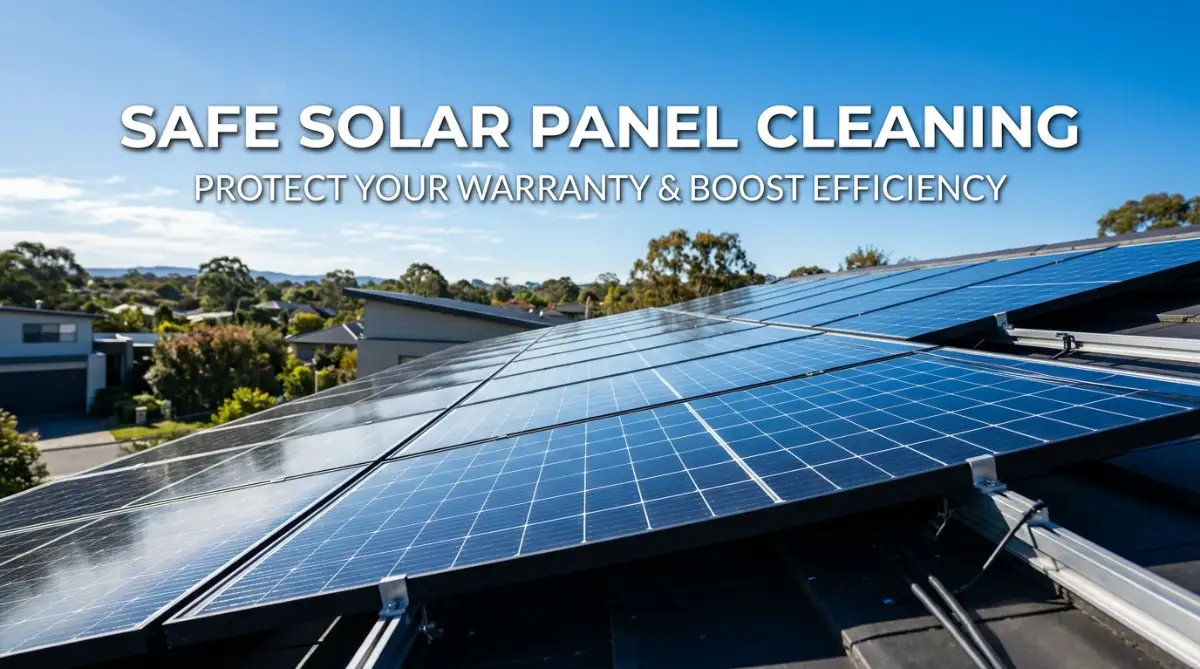
To keep your savings consistently high, you need to actively manage the environment around your system. One of the biggest hidden drains on your daily production is environmental soiling. This is a fancy term for dust, pollen, and bird droppings accumulating on the protective glass.
Think of your panels like a pair of expensive sunglasses. If you smear dirt all over the lenses, you simply cannot see clearly. When a thick layer of spring pollen coats your roof, the sunlight gets scattered before it ever reaches the active cells inside. According to research on photovoltaic soiling and performance losses by the National Renewable Energy Laboratory, heavy dust buildup can quietly steal a massive percentage of your overall generation.
Setting up a gentle cleaning routine twice a season can instantly boost your numbers. You do not need expensive chemicals; just a soft brush and a regular garden hose will do the trick perfectly.
Managing the Brain of Your Operation
Your inverter is basically a massive, high-powered computer mounted to the side of your house. Just like any electronic device, it generates heat while it processes energy. If your installation team placed this box on a wall that gets baked by the harsh afternoon sun, you are in for a lot of trouble.
When electronics get too hot, they automatically throttle their performance to prevent permanent damage. You can easily apply the exact same logic here as you would when you diagnose and fix overheating issues in high-performance laptops. By simply building a small, inexpensive shade awning over your outdoor inverter box, you keep the internal components dramatically cooler. A cooler inverter operates at peak efficiency, ensuring every drop of captured power actually makes it into your breaker panel.
Protecting Your Battery Storage Investment
If you were smart enough to include a home battery in your setup, you hold the ultimate key to energy independence. However, these massive wall-mounted units require specific care to maintain their total capacity over time. If you constantly drain the battery down to zero percent every single night, you are severely stressing the internal chemistry.
These massive home storage units use the exact same technology found in your portable electronics. You can apply the same daily charging habits you use to stop ruining your laptop battery. Set your smart management system to keep the battery charge between twenty and eighty percent during regular daily use. Reserving the extreme upper and lower limits for emergency grid outages will easily add years of healthy life to your expensive storage system.
Securing Your Financial Data on the Go
Monitoring your daily solar production becomes incredibly addictive. You will likely find yourself checking the manufacturer's smartphone app multiple times a day while sitting at coffee shops or during your commute. When you first look at those wildly swinging daily production graphs, it can almost feel dizzying.
Adjusting to these new data charts requires the same patience as when you try to stop VR motion sickness and enjoy gaming longer — your brain just needs time to understand the new environment. However, constantly opening your smart home energy app on open public networks exposes your personal data.
Hackers can easily intercept your login credentials on an unsecured cafe network and gain access to your entire smart home ecosystem. Learning what is a vpn and how it protects your online privacy on public networks is highly recommended for anyone managing their home utility grids via smartphone. A simple layer of encryption ensures your location data and power habits remain entirely private.
The Heartbreaking Traps That Steal Your Savings
It breaks my heart to see families spend their hard-earned savings on a beautiful rooftop array, only to watch the whole system fail due to simple negligence. The road to energy independence is unfortunately paved with very common, very expensive mistakes. If you let your guard down, these subtle errors will quietly drain your wallet month after month.
The "Set It and Forget It" Illusion
The absolute biggest mistake you can make is blindly trusting that your system is working flawlessly just because the green light is on. Equipment trips, breakers flip, and firmware updates sometimes cause the communication gateway to freeze completely.
I know a homeowner who went on a long summer vacation, assuming his system was happily banking credits with the utility company. A minor grid fluctuation tripped his main solar breaker on the second day of his trip. Because he never bothered to set up automated email alerts on his monitoring app, his panels sat completely dead for a whole month during peak summer hours. He ended up paying a massive electric bill for the air conditioning running in his empty house.
Always turn on push notifications for system errors. You must treat your roof array like an active investment portfolio that requires weekly check-ins.
Ignoring the Slow March of Nature
When a crew installs your hardware, they are only looking at the sky conditions on that specific day. They rarely account for what the surrounding environment will look like a few seasons down the line. A tiny, harmless sapling planted in your neighbor's yard today will eventually become a towering oak tree.
As that tree slowly stretches its branches across the property line, it begins to cast long, dark shadows directly over your expensive glass arrays. If you ignore this slow encroachment, you will watch your daily power numbers steadily decline. You must routinely evaluate your property lines and schedule professional tree trimming before the foliage permanently blocks your sky access.
Voiding the Roof Integrity for Cheaper Labor
Many budget contractors will try to win your business by offering heavily discounted installation rates. They achieve these cheap prices by cutting corners on the mounting hardware that actually secures the heavy frames to your house. This is a massive gamble with the structural safety of your biggest asset.
Proper installation requires specialized flashing materials that slide seamlessly underneath your existing shingles to create a watertight seal. Cheap installers will often just drill heavy lag bolts straight through your roof and squirt some cheap silicone over the hole. According to strict guidelines on roof system penetrations by the National Roofing Contractors Association, relying on standard caulking is a guaranteed recipe for long-term water intrusion.
When that cheap silicone eventually cracks under the hot summer sun, the next heavy rainstorm will push water straight into your attic. By the time you notice the brown water stains on your bedroom ceiling, black mold has already taken over your insulation. You are then forced to pay for a complete roof tear-off, completely wiping out any financial savings you gained from generating your own electricity.
Falling for the Fake Battery Promises
Salesmen love to push massive storage upgrades, claiming they will instantly take you completely off the neighborhood power grid. They paint a beautiful picture of total self-reliance during intense winter storms. While battery backups are amazing, you must be extremely realistic about their actual physical limitations.
A single wall battery is usually only designed to keep your refrigerator running and a few lights turned on during a temporary blackout. If you try to run your central heating, the electric oven, and the clothes dryer all at once, you will drain the entire battery bank in a matter of minutes. Overloading your backup system during an emergency will trigger an automatic shutdown, leaving your family completely in the dark.
You must strictly calculate your essential emergency loads and mentally prepare your family to ration power during major outages. Understanding these physical limits prevents panic and keeps your household running smoothly when the neighborhood grid fails.
Frequently Asked Questions About Home Solar Efficiency
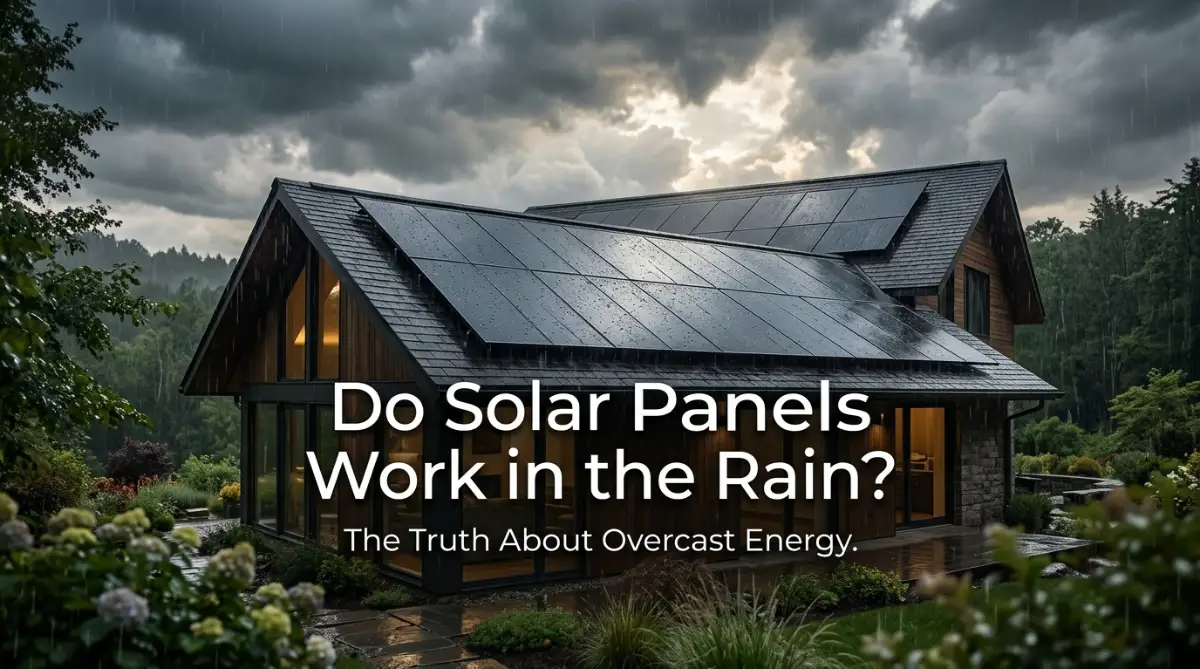
Do solar panels still generate electricity on deeply cloudy days?
Yes, they absolutely do continue to gather energy, even when the sky looks gray and miserable. While direct, bright sunlight is always best, modern photovoltaic cells can easily capture scattered ambient light. You will definitely see a noticeable drop in total output, but your system will not completely shut down just because of a few clouds.
How often should I actually clean my rooftop array?
For most residential neighborhoods, giving the glass a quick rinse two or three times a year is perfectly fine. However, if you live near heavy construction zones, busy dirt roads, or areas with massive spring pollen, you might need to clean them more frequently. Always check your monitoring app; a sudden, unexplained drop in daily production usually means it is time for a wash.
Will installing this hardware completely eliminate my monthly electric bill?
In most cases, you will still receive a small monthly statement from your local utility provider. They usually charge a mandatory connection fee or grid maintenance tax just for remaining attached to the local network. While your actual power usage costs might drop to zero, those basic administrative fees are almost impossible to escape completely.
Why does my power production drop sharply in the late afternoon?
Your panels rely entirely on the direct angle of incoming light to excite the internal electronics. As the sun moves lower on the horizon, the rays hit the protective glass at a very shallow angle, causing much of the light to bounce off rather than penetrate. Additionally, evening shadows from nearby trees and chimneys begin to stretch across the roof, further reducing your overall gathering capability.
Can I easily add more panels to my existing setup later on?
This depends entirely on the specific type of inverters you chose during the initial planning phase. If you invested in independent microinverters, snapping a few extra panels onto the roof later is an incredibly simple process. If you have a traditional centralized string inverter, expanding your capacity often requires completely replacing the main control box, which gets very expensive.
Your Blueprint for True Energy Independence
Switching to clean, renewable electricity is still one of the absolute smartest investments you can possibly make for your property. The financial rewards are incredibly real, and the feeling of watching your meter spin backward never gets old. However, true success demands that you step up and act as an active manager of your own personal power plant.
You cannot simply trust every single word a fast-talking salesperson throws your way. You have to demand high-quality mounting brackets, proper shade calculations, and weather-rated wiring before you ever sign a contract. By understanding the deep technical details we covered today, you naturally protect yourself from the lazy mistakes that cost other people thousands of dollars.
Monitor your smartphone app closely, keep the glass clear of debris, and shift your heavy appliance usage to the middle of the bright afternoon. When you align your daily household habits with the natural rhythm of the sun, the financial returns become truly extraordinary.
I completely transformed my own monthly bills once I stopped trusting the default settings and took active charge of my equipment. My sincere hope is that you use this exact knowledge to protect your home, avoid the hidden traps, and finally experience the massive financial freedom you truly deserve.
Disclaimer: The information provided in this article is for educational and informational purposes only and should not be considered professional financial, electrical, or structural engineering advice. Solar panel efficiency, local grid policies, and installation requirements vary heavily by location. Always consult with a licensed, certified solar contractor and your local utility provider before making any major modifications to your home energy systems.