Staring at a Flatlined Traffic Dashboard: My Early Blogging Nightmare
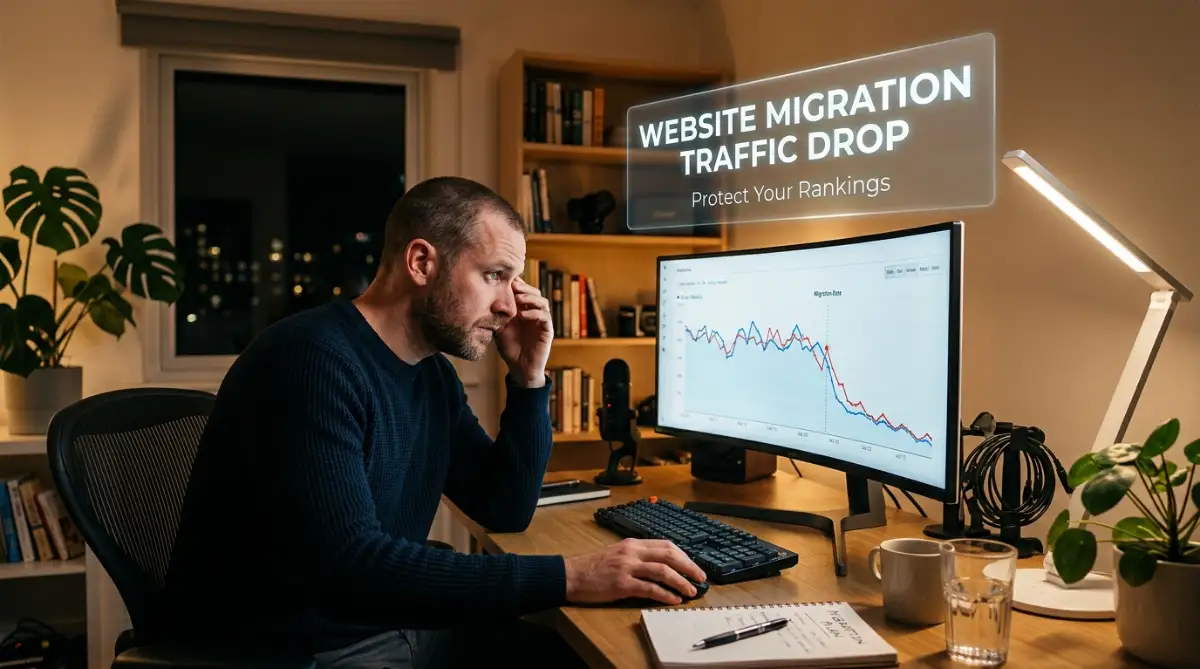
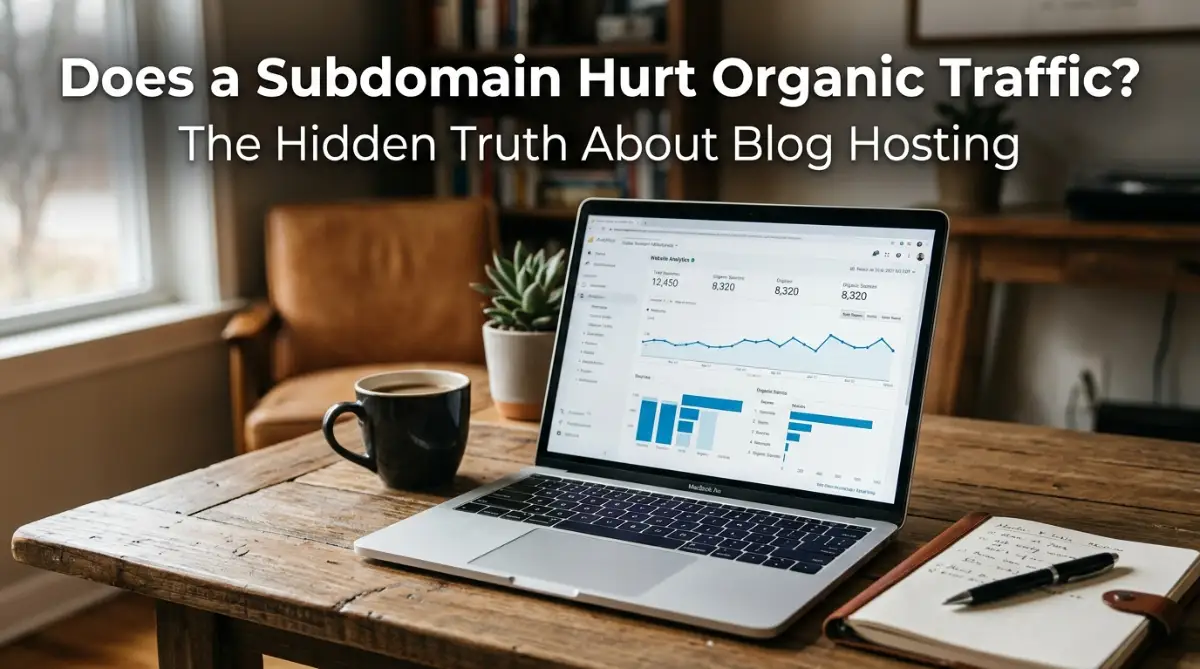
I still remember the exact moment my heart sank while staring at my Google Analytics dashboard. I had just spent three exhausting months writing highly researched, deeply helpful articles for my brand-new blog. I decided to host this blog on a subdomain because a popular tech guru on a forum said it was the easiest way to keep things organized.
I thought I was making a smart, technical decision for my website. But week after week, my organic traffic graph looked like a completely flat line. It felt incredibly frustrating to see competitors with much lower-quality content outranking me on the first page of search results.
My main website was getting decent traffic, but my blog—sitting quietly on that separate subdomain—was treated like a complete stranger by search engines. I poured my energy into sharing posts on social media, but without search engine love, it felt like screaming into an empty room.
This simple structural choice slowly destroyed my motivation and peace of mind. I started doubting my writing skills, wondering if I was just not good enough to succeed in this industry. Everyday bloggers face this exact same silent struggle, losing sleep over technical setups they barely understand.
We write to be heard, to share knowledge, and hopefully, to earn a living through avenues like Google AdSense. But when a technical hurdle like a subdomain blocks that organic growth, it drains your energy and makes you want to quit entirely.
If you are currently watching your blog struggle to gain traction on a subdomain, I want you to know that you are not alone. I have been in those exact same shoes, and there is a very logical reason why this happens.
The Great Divide: How Search Engines Actually View Your Setup
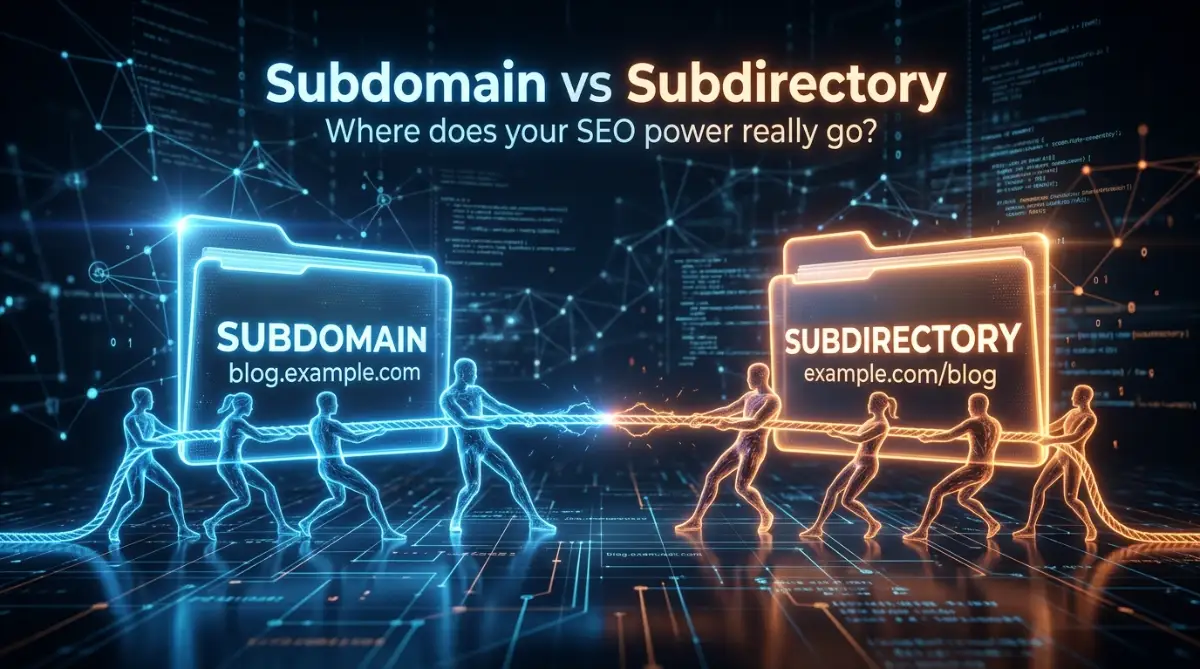
When you start a blog, you usually face a massive crossroad regarding where to put it. You can either place it on a subdirectory, like yourwebsite.com/blog, or you can isolate it on a subdomain, like blog.yourwebsite.com. To a normal human eye, these two URLs look almost identical.
However, search engine bots do not read websites the same way human beings do. To them, the way you structure your URLs tells a massive story about how your brand is organized. A subdirectory acts like a brand-new room you just built inside your existing house.
When guests visit, they immediately know this new room belongs to your main house. But a subdomain is treated completely differently by web crawlers. It is essentially viewed as a separate, detached guest house sitting entirely off your main property.
Search engines will often see your subdomain as an independent entity with its own distinct identity. This means all the trust, authority, and ranking power your main domain has built up over the months will not automatically flow into your new blog.
You are essentially forcing your blog to start from absolute scratch. This is why you can publish an amazing article on a subdomain, and search engines might completely ignore it for weeks. They simply do not trust this "new" entity yet.
Here is a quick video that perfectly breaks down the technical differences between these two setups. Watch this before we move deeper into the SEO consequences!
The Link Equity Trap: Why Your Hard Work Goes Unnoticed
Let's talk about the absolute most important currency in search engine optimization: backlinks. Whenever another reputable website links to your content, they are essentially casting a vote of confidence for you. This vote passes down something called link equity, which helps push your pages higher in search results.
If you host your blog on a subdirectory, every single backlink pointing to your blog articles helps strengthen your main website. It acts as a massive team effort where every player contributes to the same exact score. The authority flows upwards to your homepage, making your entire brand much stronger.
But when you choose a subdomain, this beautiful teamwork completely falls apart. If a huge publication links to an article on your subdomain, the link equity stays trapped on that subdomain.
Your main website gets almost zero direct benefit from that hard-earned backlink. You end up dividing your SEO power into two separate buckets instead of pooling it into one massive, powerful resource.
I actually learned this the hard way during my second year of managing content sites. I realized my main domain had an authority score of 45, but my subdomain blog was stuck at a miserable 12. My pro tip here is to always keep your content under one single roof unless you are a massive enterprise; dividing your link-building efforts will only double your workload and halve your results.
This divided effort is exactly why many new bloggers struggle to get Google AdSense approval on their subdomains. Ad networks want to see consistent, high-quality organic traffic flowing through a trusted domain. When your SEO power is split, getting that initial burst of trusted traffic becomes incredibly difficult.
Crawl Budget Confusion and Indexing Nightmares
Search engines have limited resources, and they cannot spend all day scanning every single page on the internet. They assign a specific "crawl budget" to your website, which dictates how many pages they will check per day.
When you keep your blog on a standard subdirectory, search bots flow naturally from your homepage directly to your blog posts. They follow your internal links seamlessly, discovering your new content almost instantly.
A subdomain disrupts this natural flow of traffic for these automated bots. Because it is viewed as a separate entity, search engines have to allocate a completely separate crawl budget just for your blog.
If your main website is not incredibly popular, search engines might simply decide your subdomain is not worth their immediate time. You might hit publish on a beautifully written 2000-word guide, only to find it remains unindexed for weeks.
This indexing delay completely kills your momentum. You cannot rank for trendy, time-sensitive topics if search bots take three weeks just to notice your page exists.
The Psychological Impact on User Trust
We spend a lot of time talking about robots and algorithms, but we often forget about the actual human beings clicking our links. User experience is a massive ranking factor in modern search algorithms. If people do not trust your link, they will not click it, which destroys your click-through rate (CTR).
When an everyday internet user sees a URL like clothingstore.com/blog, it instantly feels safe and cohesive. It clearly indicates they are reading an official publication from the main brand they already trust.
However, seeing blog.clothingstore.com can sometimes cause a tiny moment of hesitation. For less tech-savvy users, extra words at the front of a URL can look a bit strange or even slightly spammy.
If users hesitate and skip your link in the search results, search algorithms immediately take notice. The algorithm assumes your page is not relevant or trustworthy, and they push you further down the rankings.
It is a vicious cycle where a slight lack of user trust directly impacts your organic traffic numbers. Keeping a clean, simple, and recognizable URL structure is one of the easiest ways to secure user confidence.
Myth vs Reality: Breaking Down Subdomain SEO
There is so much conflicting information out there about website architecture. I want to clear up the noise by comparing what people say versus what actually happens in the real world of search optimization.
Looking at this reality, it becomes very obvious why relying on a separate subdomain often leads to endless frustration. It is not that you cannot rank a subdomain; you absolutely can. But you are essentially choosing to run a marathon while wearing a heavy backpack.
Why make the journey to page one harder than it already needs to be? Search optimization is already highly competitive without adding unnecessary technical roadblocks to your path.
The Exception to the Rule: When Does It Actually Make Sense?
Now, to be completely fair and objective, subdomains are not inherently evil. There are a few highly specific situations where using one is actually a smart business decision.
If your blog serves a completely different audience or targets a completely different geographic region, a separation might be necessary. For example, large international companies often use setups like uk.brand.com to separate their language bases.
Another valid reason is if your blog requires an entirely different server infrastructure. Sometimes, a company's main app is built on a highly complex, custom-coded framework that cannot support a simple blog. In those cases, installing WordPress on a subdomain is a simple technical workaround.
But notice how these examples only apply to massive corporations or highly complex technical setups? For 99% of regular content creators, affiliate marketers, and AdSense publishers, these exceptions do not apply.
If your main goal is simply to publish helpful information and drive organic readers to your words, simplicity is your best friend. Sticking to a standard folder structure keeps all your hard-earned SEO power completely centralized.
The Migration Reality: Fixing the Architecture Mistake
If you are reading this and realizing your blog is currently stuck on a subdomain, do not panic. You can fix this issue, though it requires a bit of careful technical planning.
Moving your content from a subdomain to a subdirectory is called a site migration. It involves physically moving your blog files and setting up proper permanent redirects for your old URLs.
When you set up 301 redirects, you are officially telling search engines that your content has a new permanent home. This process carefully passes the SEO value from your old subdomain directly into your main website.
I have personally helped several bloggers execute this exact migration. Almost every single time, they experienced a noticeable bump in their organic traffic within just a few weeks.
Suddenly, their blog was soaking up the authority of their main website, and their unindexed pages finally saw the light of day. It is a highly rewarding process that instantly makes all your future writing efforts much more effective.
Centralizing Your Content for Long-Term Success
At the end of the day, organic traffic is all about proving your authority to both users and algorithms. Every article you write, every backlink you earn, and every social share you get should work toward building one massive, unified brand.
Scattering your content across different subdomains dilutes your brand identity. It forces you to maintain multiple properties and splits your marketing efforts right down the middle.
By keeping your blog in a simple subdirectory, you create a powerful, centralized hub of information. Search engines love websites that offer deep, comprehensive value all in one single, easily crawlable place.
This simple structural choice sets the foundation for easier AdSense approvals, faster indexing, and a much smoother journey to the first page of search results. Keep your architecture simple, focus entirely on creating highly helpful content, and let your unified domain authority do the heavy lifting for you.
Mastering Your Site Architecture for Maximum Traffic
Moving your content from a disconnected subdomain to a powerful subdirectory is only the first part of the battle. To truly dominate search results and secure your Google AdSense approval, you need a rock-solid long-term strategy. I want to walk you through exactly how to maintain this new momentum and turn your blog into an organic traffic machine.
First, we need to talk about properly managing your website map after you change your URL structure. When you move your articles to your main root domain, search bots will initially feel a little lost. You have to create a brand-new XML sitemap that strictly includes your new subdirectory links.
Submitting this updated map directly into Google Search Console is your way of waving a digital flag. It tells the automated web crawlers exactly where your valuable content has moved. If you skip this simple step, search engines might take months to figure out your new setup on their own.
You also need to audit your internal links across every single post you have ever written. Often, bloggers forget that their old articles still contain hyperlinks pointing back to the old subdomain. You must manually go through your content and update those links to point to the new subdirectory structure.
The Security and Performance Mindset
As you spend hours working behind the scenes on your website backend, you must prioritize your digital security. Many bloggers work from coffee shops while running these heavy technical audits on open Wi-Fi networks. It is highly recommended that you understand what is a VPN and how it protects your online privacy on public networks before logging into your hosting dashboard.
Website migrations also require a lot of focus and can put a massive strain on your computer hardware. Running heavy site crawlers and having thirty browser tabs open will easily overwork your machine. I actually ignored this once and had to quickly learn how to diagnose and fix overheating issues in high performance laptops just to finish my work.
Taking care of your equipment is just as important as taking care of your website code. If you work unplugged frequently during these long technical sessions, you will drain your power incredibly fast. Make sure you practice good habits and stop ruining your laptop battery proven steps for maximum life so you never lose unsaved work.
Preparing for AdSense Like a Pro
Now, let us discuss how this structural change directly impacts your ability to monetize. Google AdSense reviewers heavily favor websites that look organized, unified, and easy to navigate. When your blog sits cleanly within your main domain menu, it immediately signals authority and professionalism to the manual reviewers.
Before applying for monetization, make sure your new blog homepage has a clean, clear categorization system. Reviewers hate messy websites where they cannot easily find your privacy policy or your contact page. By keeping everything under one roof, your navigation menus remain consistent across every single page.
You also need to ensure that your newly migrated pages are loading incredibly fast. A unified domain structure often allows you to use a single caching plugin for your entire website. Keeping your site speed optimized is heavily tied to monitoring your core web vitals effectively.
When your pages load instantly, your users stay longer, which drastically lowers your bounce rate. Ad networks absolutely love websites with high user retention because it means more people will actually view their advertisements.
Building Trust Through Content Organization
Do not just dump all your articles into one massive folder and hope for the best. Use smart, descriptive categories inside your new subdirectory to help readers find exactly what they need. For example, if you run a fitness site, use folders like yourwebsite.com/blog/nutrition instead of just a generic blog feed.
This level of organization creates something called a topical map, which search algorithms absolutely adore. It shows search engines that you are an organized expert covering an entire subject deeply and thoroughly. When algorithms understand your expertise, they reward you with higher rankings.
This organized approach is also scientifically proven to keep human readers on your website much longer. When you present information logically, you are actively building long-term website credibility with every click. A trustworthy site architecture directly translates to higher ad clicks and better affiliate sales.
Traps That Will Destroy Your Hard-Earned Rankings
Let me share a very painful reality about changing your website architecture. If you try to rush this process without understanding the consequences, you can completely destroy whatever traffic you already have. I have seen incredibly talented writers lose their entire business overnight simply because they skipped a few basic steps.
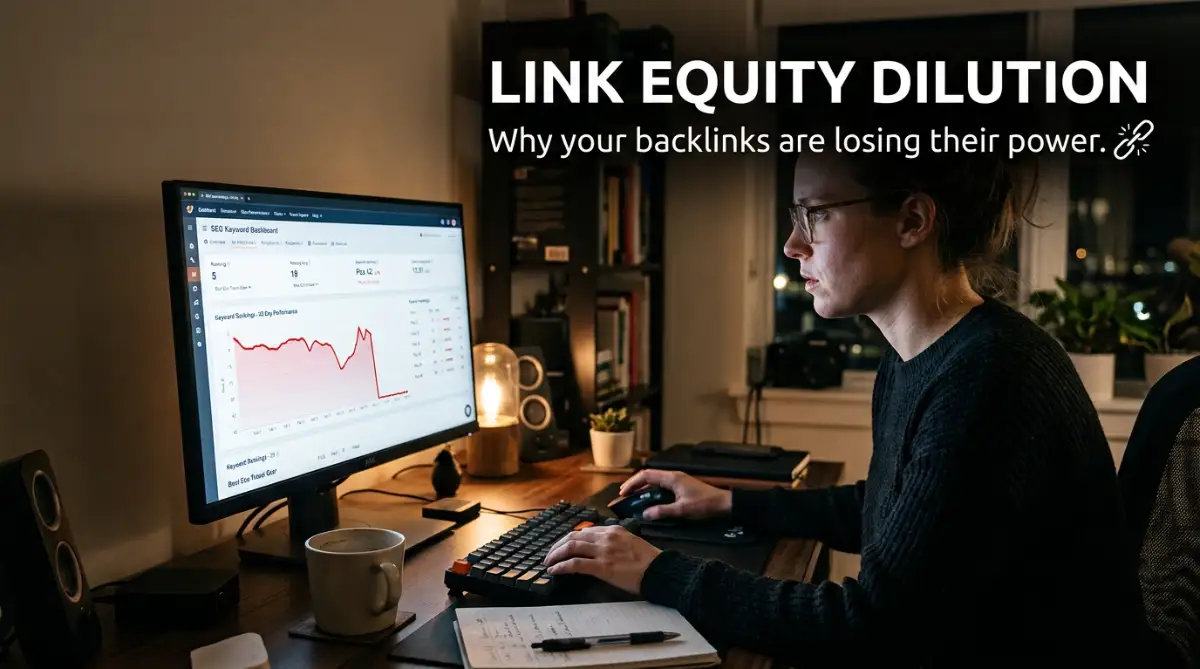
The single most devastating mistake you can make is forgetting to set up permanent 301 redirects. Imagine moving to a new house but never telling the post office your new address. Your readers, your backlinks, and the search engine bots will keep knocking on an empty door and getting a 404 error page.
When search engines see a massive spike in 404 error pages, they assume your website is broken or abandoned. They will rapidly drop your existing rankings, and getting that trust back can take several stressful months. You must map every single old subdomain URL to its exact matching page on your new subdirectory.
Another massive pitfall is panicking during the "Google Dance" phase of your site migration. After you move your content, search engines need time to process the changes and re-evaluate your position. Your traffic will likely bounce up and down wildly for a few weeks before settling into a higher, more stable position.
The Cost of Impatience
Many beginners see this temporary traffic drop, panic instantly, and try to revert their website back to the old subdomain. This constant flipping back and forth completely destroys your crawl budget and confuses search algorithms. You must trust the process, stay patient, and let the algorithms do their job quietly.
Applying for AdSense during this chaotic transition period is another terrible idea. Ad network reviewers want to see stable, consistent traffic before they approve your account. If they check your site while your traffic is bouncing around, they will likely reject you for having unstable metrics.
Wait at least thirty to forty days after your migration before you submit your monetization application. Use this waiting period to write fresh, high-quality articles on your new subdirectory to show constant activity. Showing that you are following the official search engine guidelines consistently is the best way to earn that approval.
Over-Optimizing and Losing Your Mind
I also see many bloggers fall into the trap of obsessively checking their analytics every single hour. Staring at a screen waiting for numbers to go up will completely ruin your mental health and creative energy. You end up feeling completely paralyzed, unable to write new content because you are so focused on the technical errors.
When the technical stress gets too heavy, you need to step away from the screen and take a mental break. Escaping into virtual reality is actually a great way to reset your brain. Knowing how to stop vr motion sickness and enjoy gaming longer gives you a perfect distraction before returning to your SEO work with a fresh mind.
Your job as a blogger is to create amazing content, not to be a full-time server administrator. Fix the structure once, set up your redirects properly, and then get back to writing articles that help people. Do not let technical paranoia steal the joy out of running your online business.
Your Blueprint for Unstoppable Organic Growth
We have covered a lot of heavy technical ground today, but the core message is incredibly simple. Your website architecture should work with you, not against you, as you try to grow your audience. By keeping all your content tightly integrated under one single domain, you are building an undeniable powerhouse.
Every single article you publish now will directly support the authority of your main brand. Every backlink you earn will send powerful link juice straight to your homepage, lifting your entire website higher. This is how the biggest and most successful blogs on the internet operate, and now you have the exact same playbook.
You no longer have to worry about splitting your marketing efforts or maintaining two separate properties. You can focus all your creative energy on a single, clean, and highly professional platform. This simplicity is exactly what ad networks and search algorithms want to see from modern publishers.
If you are currently trapped on a subdomain, take a deep breath and start planning your migration carefully. Map out your URLs, prepare your redirects, and get ready to finally see the traffic you actually deserve. The temporary technical headache is absolutely worth the long-term freedom and massive organic growth you will experience.
My biggest realization after years of struggling with website setups is that simplicity always wins the SEO game. I spent so much time overcomplicating my architecture, but the moment I centralized everything, my traffic finally exploded. Trust the process, clean up your URLs today, and watch how quickly search engines reward your unified brand.
Honest Answers to Your Biggest Hosting Questions
Will I completely lose my current traffic if I move my blog to a subdirectory?
If you set up proper 301 redirects, you will not lose your hard-earned traffic permanently. You might experience a temporary slight dip for a few weeks, but your traffic will usually bounce back much stronger. Search engines just need a little time to process your new digital address.
Can I still get Google AdSense approval if I refuse to leave my subdomain?
Yes, it is absolutely possible to get approved on a subdomain, but it is significantly harder. You will need a massive amount of original content and independent traffic just for that specific subdomain. Centralizing your site simply makes the approval process much faster and easier.
How long does Google typically take to notice my new blog location?
If you submit your new XML sitemap immediately, Google usually starts indexing your new URLs within a few days. However, the full transfer of your SEO ranking power can take anywhere from three to six weeks. Patience is absolutely required during this phase.
Does this rule apply if I am using free platforms like Blogger or WordPress.com?
Free platforms force you to use their subdomains, which makes it very hard to build your own personal brand authority. If you are serious about making money and ranking high, you should invest in a custom root domain. Owning your own digital property is the ultimate secret to long-term SEO success.
Disclaimer: The information provided in this article is for educational and informational purposes only. SEO practices and search engine algorithms change frequently, and individual results may vary. Always ensure you comply with the latest Google AdSense program policies and Google Search Central guidelines before making major structural changes to your website.