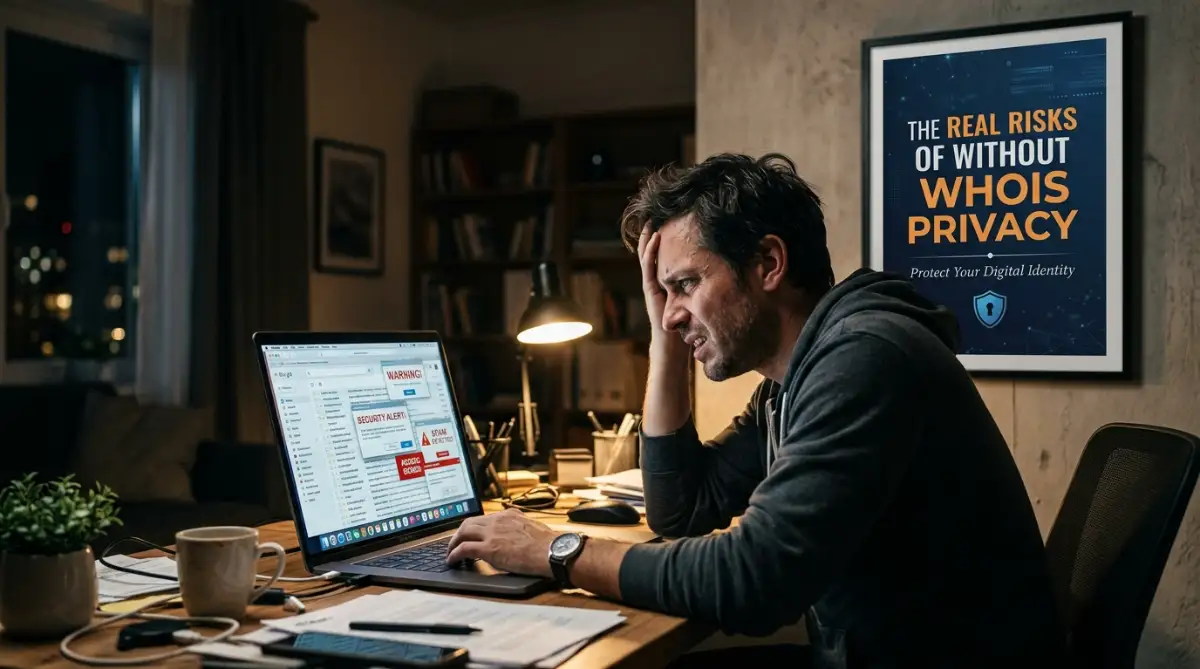
Why My First Website Taught Me a Harsh Lesson About Public Data
I still remember the absolute thrill of launching my very first website. I finally bought my dream domain name, hit the publish button, and went to bed imagining thousands of visitors reading my work.
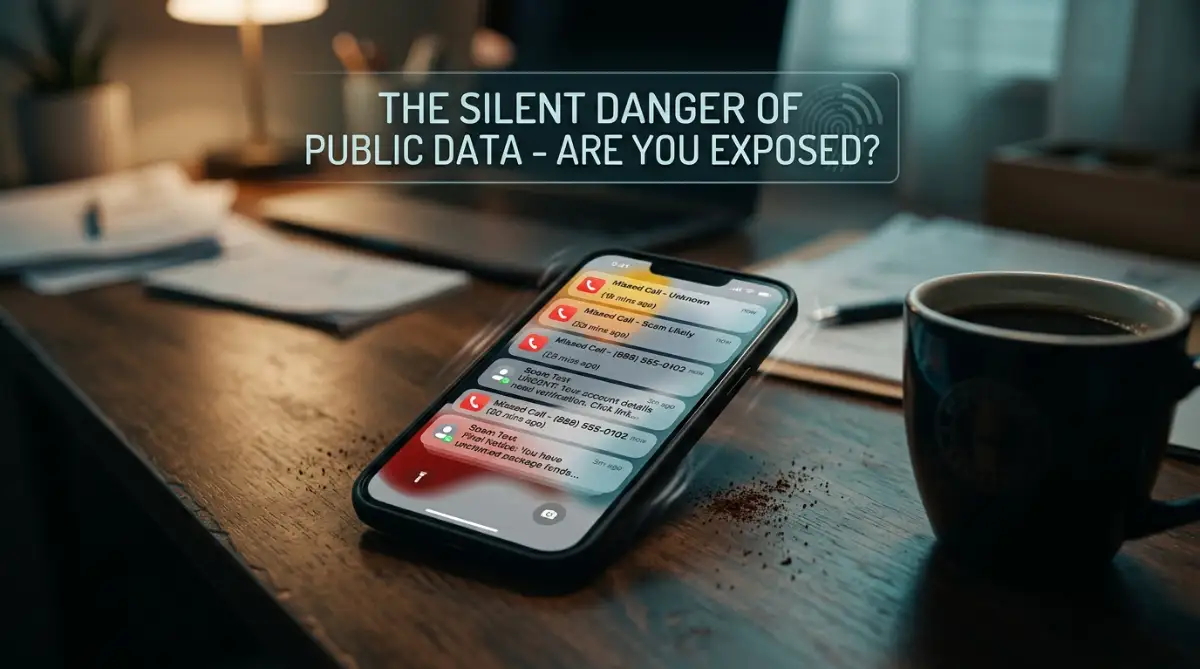
The very next morning, my phone started ringing endlessly with strange international numbers. My main email inbox was completely flooded with shady offers from pushy web designers and aggressive marketing agencies.
I felt incredibly confused and deeply violated, wondering how these total strangers got my direct contact details overnight. That awful morning was my painful introduction to the reality of the public domain database. I realized too late that trying to save a few dollars on checkout left my personal life completely exposed.
Normal people face this exact nightmare every single day without even realizing what went wrong. You just want to start a simple blog or a small online business to follow your passion. Instead, your daily life gets hijacked by relentless telemarketers and scammers who will not leave you alone.
This constant barrage of unwanted communication completely destroys your mental peace. We start ignoring calls from unknown numbers, which means we might actually miss important calls from family members or actual clients.
The most terrifying part is knowing that your actual home address and personal phone number are freely available to anyone with an internet connection. It is an overwhelming feeling of vulnerability that can make you regret starting your online journey in the first place.
Exposing the Hidden Mechanics of Public Registration Databases
When you buy a new web address, the rules require you to provide accurate contact information. This global system was originally designed decades ago to help people easily find out who owns a specific website.
However, the internet has changed drastically since those early days of open communication. Today, this open directory acts like a free menu for cybercriminals and massive marketing agencies looking for easy targets.
Your name, home address, phone number, and email are placed on a public billboard for the whole world to see. You might think nobody cares about your small new blog, but automated systems are constantly watching for new registrations.
Within seconds of your purchase, thousands of automated bots scrape your sensitive information. These machines do not care about the size of your business; they just want fresh data to sell to the highest bidder.
The Unseen Danger of Automated Scraping Bots
Imagine a swarm of digital insects constantly crawling across the internet looking for unprotected data. These scraping bots are programmed to instantly copy any new information added to the global registry.
Once your details are copied by these bots, they are permanently stored in private, third-party databases. Even if you try to hide your information later, those shady companies have already saved your original data.
This is exactly why the spam starts so quickly after you make your purchase. The scrapers immediately distribute your phone number to overseas call centers that specialize in harassing new business owners.
How Harmless Information Turns Into Targeted Phishing
Most people think that getting a few spam emails is annoying but ultimately harmless. Unfortunately, modern cybercriminals use this public information to craft highly sophisticated phishing attacks against you.
They will send you an email that looks exactly like it came from your hosting provider or domain registrar. Because they know your exact name, address, and the specific domain you just bought, the email looks incredibly convincing.
These fake emails usually claim that your account is about to be suspended or that your payment failed. If you panic and click the link to enter your password, you hand over full control of your website directly to the hackers.
Protecting Your Most Valuable Digital Assets
I always suggest using a completely dedicated email address just for handling website registrations to keep your main inbox clean. But my biggest mistake was thinking a simple PO Box would completely protect me from those endless, annoying phone calls. Always secure the privacy add-on before you complete your checkout to save yourself from massive daily headaches.
The Reality of Competitor Spying and Corporate Espionage
Sometimes the threat does not come from random hackers, but from your direct business competitors. When your information is public, anyone can easily see the entire portfolio of web addresses you own.
If you are planning to launch a new product or branch out into a new niche, your competitors can see your domain purchases. They can track your business moves before you even have the chance to launch your official website.
By simply hiding your ownership details, you maintain the element of surprise in your industry. You keep your business strategy entirely confidential and prevent rivals from stealing your brilliant ideas.
Stop Letting Scammers Hijack Your Hard Work.
Wait, You Need to See How Easy It Is to Lose Everything
Before we move further into the mechanics of data protection, you absolutely must understand how quickly things can go wrong. Watch this brief breakdown to see exactly how exposed your personal information really is when you skip basic security steps.
The Terrifying Threat of Domain Hijacking
Domain hijacking is exactly what it sounds like: a cybercriminal steals your web address and transfers it to their own account. They often do this by using the personal contact information they found in the open public directory.
Hackers will look at your public email address and then try to find your associated social media profiles. They cross-reference your public data to guess your security questions or manipulate customer support agents into resetting your passwords.
Once they gain access, they transfer the web address away, and you completely lose your website, your traffic, and your brand reputation. Getting a stolen website back is an incredibly stressful, long, and sometimes impossible legal process.
Myth vs Reality: Understanding Your True Online Exposure
There are a lot of dangerous myths surrounding how website ownership actually works behind the scenes. Many beginners believe that because they are a small brand, nobody will bother attacking them.
Myth: Only large corporations and huge e-commerce stores need to worry about hiding their registration data.
Reality: Scrapers and bots target every single new registration automatically, treating a personal blog exactly the same as a massive corporate site.
Myth: I can just use fake information when I register to protect my actual identity.
Reality: Providing fake details directly violates international registry rules and can result in your website being instantly permanently deleted without any warning.
A Clear Look at Public Data vs Masked Data
To truly understand the value of protecting your identity, we need to compare what the public sees in both scenarios. Let's look at how your personal details appear to a stranger searching the global database.
As you can see, leaving your data unprotected gives anyone a complete map to your personal life. Masking this data replaces your sensitive details with a secure forwarding service that keeps you completely anonymous.
The Unseen Link Between Open Data and Identity Theft
Identity theft is a growing epidemic, and public registries are a goldmine for the people who commit these crimes. Scammers use your full name, home address, and phone number as the foundation to build a fake profile of you.
They combine this open information with other leaked data they buy on the dark web to open credit cards in your name. They might even try to access your personal banking details by impersonating you over the phone.
When you leave your digital front door wide open, you are inviting criminals to piece together your life puzzle. Protecting your website ownership details is a highly effective way to cut off their access to your personal life.
How the Proxy Forwarding System Actually Works
Many people worry that if they hide their information, they will miss legitimate business inquiries or legal notices. You do not need to worry about this because the protection system uses an intelligent proxy forwarding method.
The privacy company places their own contact details in the public registry instead of yours. If a legitimate person or legal entity needs to contact the owner, they send an email to the proxy address shown.
The system then safely forwards that specific message directly to your actual hidden email address. This ensures you remain completely anonymous while still receiving the messages that actually matter to your business.
Why Skipping Security Costs More in the Long Run
It is very tempting to skip the extra privacy fee when you are trying to keep your startup costs low. However, the true cost of dealing with the aftermath is always significantly higher than the small initial investment.
Think about the hours you will waste deleting endless spam emails and blocking aggressive marketing calls on your phone. Consider the massive financial loss if your website is hijacked or your personal identity is stolen by clever cybercriminals.
Investing in your digital security from day one gives you complete peace of mind to focus on creating great content. It is a necessary shield that lets you grow your online presence without constantly looking over your shoulder.
Taking Immediate Control of Your Digital Footprint
Your personal data is extremely valuable, and you should never give it away for free to marketing agencies and hackers. You have the power to take immediate control of your digital footprint by simply making smarter security choices.
Always check your current domain settings to see if your personal information is currently exposed to the open internet. If you find that your data is public, you can usually add the necessary protection through your hosting dashboard instantly.
Every single step you take towards securing your personal information builds a stronger wall against modern digital threats. Stay vigilant, keep your details hidden, and enjoy the peace of mind that comes with true online anonymity.
Next-Level Security Tactics to Mask Your Digital Footprint
Simply buying a masking service is a great start, but true digital security requires a few extra layers of strategy. Scammers are always finding new ways to scrape information, so you have to stay one step ahead of them. Let me share a few advanced techniques that professionals use to keep their personal lives completely off the radar.
First, never use your personal email address when setting up your hosting account, even if you plan to buy protection. If the privacy service temporarily fails during a server update, your real email could leak for a few hours. Instead, create a completely separate, generic email account specifically just for registering digital assets.
This creates a brilliant isolation barrier around your personal inbox. If the registration email ever does get scraped by bots, all the spam goes into an inbox you rarely check. Your main communication channel remains completely clean, peaceful, and entirely free from aggressive marketing pitches.
Another excellent strategy is setting up a free virtual phone number using an app or online service. You can provide this virtual number during the checkout process instead of typing in your actual mobile number. If telemarketers somehow bypass the privacy wall, they will only be calling a silent, unmonitored digital line.
Understanding exactly what is a vpn and how it protects your online privacy on public networks is another incredible way to secure your digital presence. Just like a virtual private network hides your browsing activity from hackers in a coffee shop, domain masking hides your identity from the global registry. Both tools work together to build a completely invisible wall around your online life.
Understanding Data Caching and Historical Records
Here is a massive secret that most hosting companies will never tell you about the global registry system. Even if you turn on the protection tool today, your old information might still be floating around on the internet. There are specialized websites that take daily snapshots of the database and keep historical records forever.
If you registered your web address without protection two months ago, those historical sites already have your real name and address. Upgrading to a masked profile now will stop new scrapers, but it will not delete your data from those older archives. This is exactly why you must activate the privacy feature on the very first day of your purchase.
If you are dealing with a heavily spammed inbox right now because of a past mistake, do not panic. The best action you can take is to change the contact email address inside your hosting dashboard immediately. Then, turn on the masking service so the new, clean email is the only thing protected behind the proxy wall.
To better understand how your data is handled globally, you can read the official guidelines provided by the Internet Corporation for Assigned Names and Numbers (ICANN). They are the primary organization that manages these global directories and sets the rules for data masking. Knowing their policies gives you a massive advantage when setting up your digital business.
The Most Dangerous Traps Beginners Fall Into
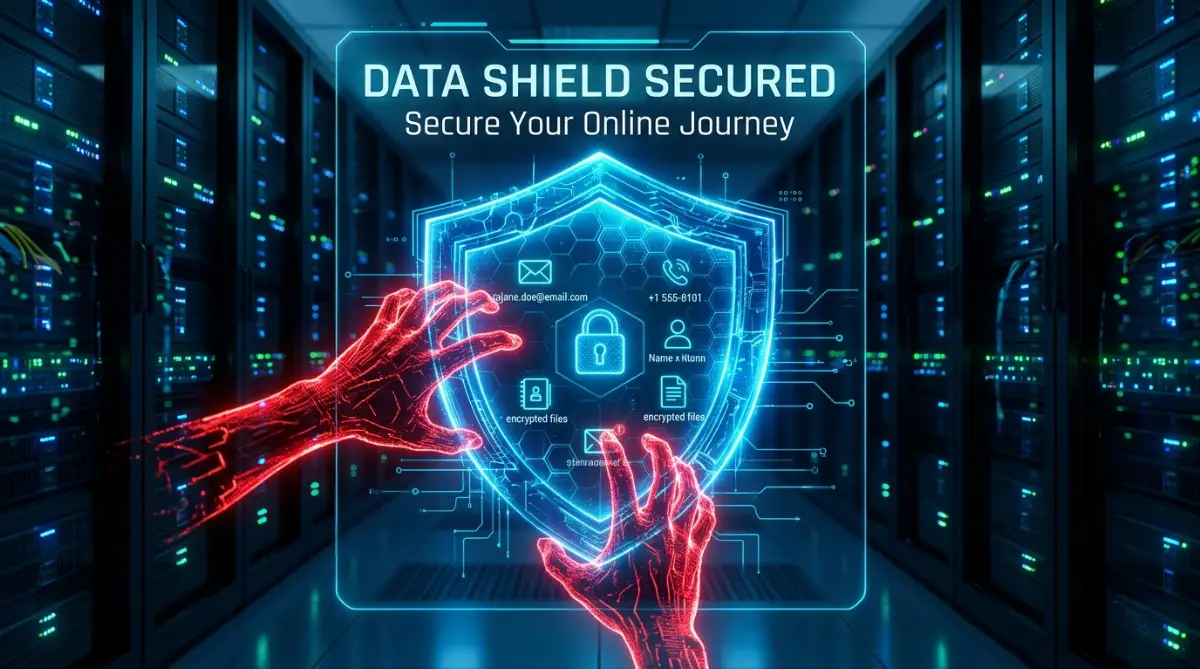
People usually try to find clever shortcuts to save money when starting their first online project. Unfortunately, these shortcuts often lead to catastrophic consequences that can destroy your entire brand overnight. Let us look at the most dangerous mistakes people make so you can easily avoid them.
The absolute biggest mistake I see beginners make is typing in fake names and fake addresses during checkout. They think they can outsmart the system by registering their business under the name of a fictional character. This might seem like a harmless and funny idea, but it is actually a massive violation of international registry rules.
The global registry randomly sends verification emails to ensure your contact details are completely accurate and active. If they discover that you provided a fake address, they will immediately suspend your web address without any prior warning. You could wake up one morning to find your entire website completely shut down and locked away from you.
When your site gets suspended for fake data, getting it back is a completely exhausting and stressful nightmare. You have to submit government ID cards and utility bills just to prove you are a real person. It is never worth risking your entire business just to save a few dollars on a proper masking service.
Confusing Website Encryption with Identity Protection
Another incredibly common trap is confusing an SSL certificate with ownership privacy. Many new website owners see the little padlock icon next to their web address and assume they are fully protected. They think that because their website is secure, their personal information is magically hidden too.
These are two entirely different types of security that do completely different jobs. An SSL certificate protects the data your customers type into your website, like their credit card numbers and passwords. It does absolutely nothing to hide your personal home address from the public registration directory.
You actually need both of these tools if you want to run a completely secure and trustworthy online business. Leaving your personal data exposed just because your website has a padlock is a terrible security strategy. Cybercriminals love targeting website owners who only secure half of their digital footprint.
If you ignore these security gaps, it is exactly like ignoring warning signs on a struggling computer. If you do not learn how to diagnose and fix overheating issues in high performance laptops, your entire machine will eventually crash. The exact same logic applies to your digital identity; you have to fix the vulnerabilities before the real damage happens.
The Danger of Expiring Security Features
Sometimes people buy the correct privacy service, but they forget to keep their payment methods updated. If your credit card expires, your hosting company will fail to renew the privacy add-on for the next billing cycle. The moment that subscription drops, your private details are instantly published back onto the open internet.
Within minutes of that protection dropping, the scraping bots will immediately grab your newly exposed phone number. All the spam calls and phishing emails you worked so hard to block will suddenly return. You have to set up automatic renewals and regularly check that your billing information is perfectly accurate.
Identity theft originating from exposed public databases is a growing problem recognized by government agencies worldwide. According to safety resources provided by the Federal Trade Commission (FTC), minimizing your public footprint is a top defense against modern fraud. Protecting your registration data is a proactive step that stops criminals before they even get a chance to target you.
Your Blueprint for Complete Online Anonymity
Taking control of your digital identity does not have to be a complicated or terrifying process. You just need to build a simple habit of double-checking your security settings whenever you start a new project. Making privacy a default part of your business strategy will save you countless hours of stress and frustration down the road.
Start by doing a quick audit of any web addresses you currently own right now. Log into your hosting dashboard and look for a section usually labeled "Contact Information" or "Ownership Settings". If you see your real home address sitting there in plain text, upgrade your account to mask that data immediately.
Running a successful website takes a lot of hard work, creativity, and focused dedication. You should be spending your energy writing great articles, designing beautiful pages, and connecting with your actual customers. You should never have to waste your valuable time fighting off aggressive scammers and blocking random overseas phone numbers.
Creating a Healthy Digital Workflow
True security is about building a completely stress-free environment for yourself as a creator or business owner. When you know your personal details are safely locked away, you can share your passion with the world much more confidently. You no longer have to worry about a random internet troll discovering exactly where you live and sleep.
Of course, keeping your digital life healthy also means taking care of the actual physical tools you use to work. You cannot manage a successful website if your computer is constantly dying in the middle of your workday. Learning how to stop ruining your laptop battery with proven steps ensures you always have the power to monitor and protect your online assets.
Sometimes, staring at a screen trying to fix security issues can make you feel physically exhausted or dizzy. This is surprisingly similar to the feeling gamers get when playing intense virtual reality games for too long. Knowing how to stop vr motion sickness and enjoy gaming longer requires taking smart breaks, and you should apply that same pacing to your web management tasks.
Advocating for Better Digital Rights
While we have to pay for protection right now, the conversation around data security is constantly shifting. Organizations like the Electronic Frontier Foundation (EFF) are constantly fighting to make basic internet privacy a standard human right. Until those global rules completely change, it is entirely up to you to build your own defensive walls.
By choosing to mask your information, you are sending a clear message that personal privacy still matters. You are taking a stand against the shady data brokers who want to turn your personal life into a cheap commodity. It is an empowering choice that puts you firmly back in the driver's seat of your online journey.
I used to lose so much sleep worrying about strangers having my personal phone number and home address. Taking five minutes to properly mask my identity was the best investment I ever made for my own mental peace. My biggest piece of advice is to never wait until the spam starts; protect your privacy today so you can build your dream website tomorrow without any fear.
Frequently Asked Questions About Domain Data Security
Will hiding my contact details block legitimate business emails?
No, masking your information will never stop actual customers or business partners from reaching you. The proxy service displays a temporary email address to the public that safely forwards all incoming messages directly to your real hidden inbox.
Can I add data protection to a website I already own?
Yes, you can upgrade your account and add the masking feature at any time through your current hosting dashboard. Just remember that if your data was public for a while, some older tracking websites might still have your original details saved in their archives.
Is masking my identity illegal or against internet rules?
It is completely legal and highly recommended by cybersecurity experts around the world. The only thing that violates international rules is typing in fake or made-up information during your initial checkout process.
Why do some specific web extensions not allow any privacy?
Certain specific endings, like .us or .gov, have strict geographical and legal requirements to prove you live in a specific country. Because of these specific local laws, the governing bodies for those extensions force all ownership information to remain completely public.
How much does it usually cost to mask my personal information?
The price usually ranges from totally free to about fifteen dollars per year, depending entirely on which hosting company you choose. Many modern registrars are starting to include this feature for free, so it is always smart to shop around before making your final purchase.
Disclaimer: This article is for informational and educational purposes only. The strategies discussed here are based on general internet security best practices and personal experiences. Website registration rules and global privacy policies can change at any time. Always consult with your specific domain registrar or a certified cybersecurity professional regarding your personal data protection needs.