
The Silent Bleeding: How I Almost Lost My Dream Business
I remember sitting at my desk at midnight, staring at a screen filled with red numbers. My hands were shaking as I tried to calculate how I would pay my team the next morning. I had spent years building my dream business, but my bank account was completely empty.
It felt like a nightmare because our sales were actually doing great that month. I could not understand where all the money was going. That was the exact moment I realized that high sales do not automatically mean a healthy business.
This constant money struggle takes a heavy toll on your daily life. You stop sleeping because your mind is always racing with fear about the next bill. You find yourself snapping at your family because the financial stress is constantly eating you alive.
It feels incredibly lonely when you have to hide this panic from your employees and your clients. You have to put on a brave face and pretend everything is perfect. Inside, you are constantly terrified that your life's work will fall apart tomorrow.
Every single phone call or email from a vendor starts to feel like a threat. You begin to avoid looking at your bank app because the reality is too painful to face. The joy of running your own business quickly turns into a prison of anxiety.
Many business owners go through this exact painful loop every single month. They work eighty hours a week just to keep the lights on. But you do not have to live in this endless state of survival mode anymore.
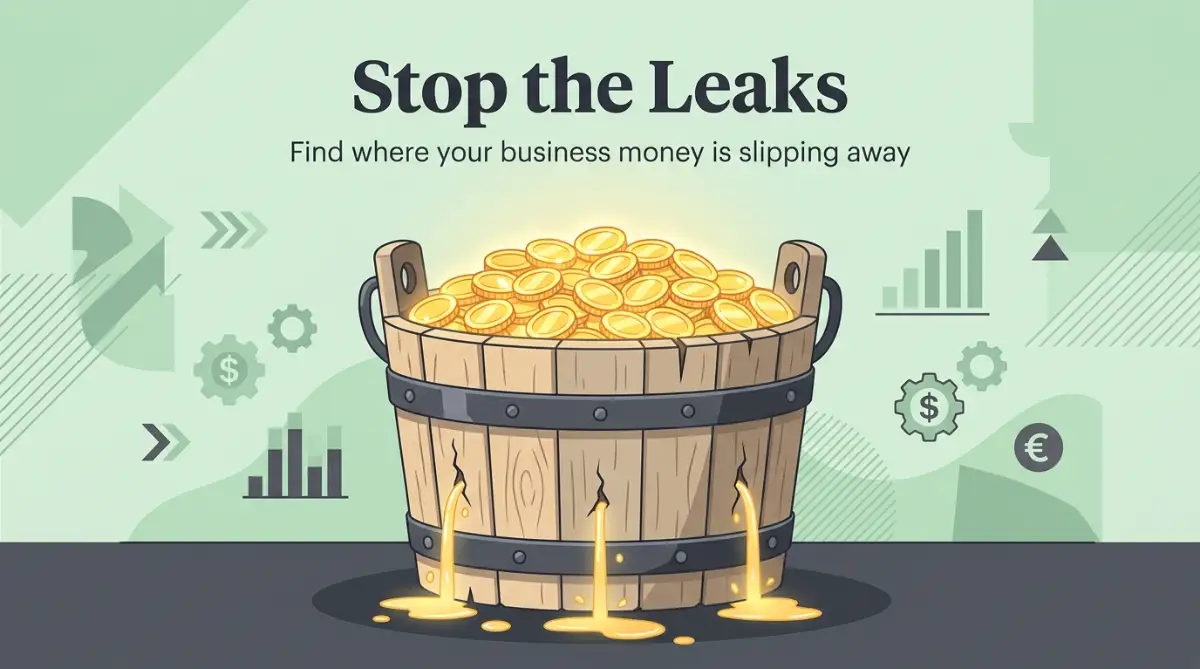
The Actionable Plan to Fix Your Leaking Cash Flow
Stop Mixing Personal and Business Accounts
It is so easy to swipe your business card for a personal grocery run or a quick coffee. You might think you will sort it out later when you do your taxes. However, this habit clouds your financial vision and makes tracking your true profits impossible.
When your personal life and business cash are mixed, you cannot see if the business is actually making money. You might feel rich when the business account has cash, but that money belongs to your operations. Separate your funds immediately to get a clear picture of your actual financial health.
Go to your bank tomorrow and open a dedicated checking account just for your business. Pay yourself a fixed salary every month instead of dipping into the business funds whenever you need money. This simple boundary protects your business from your personal spending habits.
The Danger of Unused Software and Subscriptions
I used to sign up for every new tool that promised to make my life easier. There was a tool for social media scheduling, another for design, and three different email helpers. Most of these tools sat completely idle while quietly billing my card every month.
These small ten-dollar or twenty-dollar charges seem harmless at first glance. But when you add them up over a year, they turn into a massive leak. You are essentially throwing away hundreds of dollars that could be used to grow your business.
Set aside one hour this weekend to print out your last three bank statements. Take a red pen and highlight every single recurring charge you see. Cancel any service that you have not opened or used in the last thirty days.
Why Slow Invoicing Is Killing Your Cash Balance
Many owners wait until the end of the month to send out all their client invoices. This delay is a quiet killer because it pushes your payday weeks into the future. You are basically giving your clients free interest-free loans while you struggle to pay your own bills.
If you do the work today, you should send the bill today. Waiting even a few days to invoice creates a massive gap in your cash cycle. Your expenses keep coming regularly, but your income is always lagging behind.
Want to see a real-life breakdown of how to speed up your client payments? Watch this simple guide to fix your invoice process today.
You can make this process easier by setting up automated billing systems. Many modern tools send reminders to your clients so you do not have to do the awkward chasing. This keeps your cash flowing in steadily without extra stress.
Underestimating the Real Cost of Your Services
Pricing your offers based on what your competitors charge is a major mistake. Your competitors might have lower overhead costs or different financial goals than you do. If you copy their prices, you might actually be losing money on every sale.
You must calculate the exact cost of your time, materials, and business overhead. Do not forget to include the taxes you will owe on every dollar you make. Only then can you set a price that leaves you with a healthy profit.
If your margins are too thin, even a small mistake can put you in debt. It is far better to have fewer clients who pay your true worth than many clients who keep you broke. Raise your prices to reflect the real cost of doing great work.
The Hidden Trap of Sales Growth Without Cash
It sounds strange, but growing too fast can actually bankrupt your business. When you get a huge new order, you often have to buy materials and hire help upfront. If your client pays you sixty days later, you might run out of cash before you can finish the job.
This is why profitable businesses still go out of business every day. They have plenty of revenue on paper, but zero cash in the actual bank. You must manage your payment terms carefully before taking on massive new projects.
Always ask for an upfront deposit before you begin any major project. This deposit covers your initial costs and ensures the client is serious about paying. Never fund a client's project entirely out of your own pocket.
Myth vs. Reality: The Truth About Business Cash Flow
Looking at this table helps you see why so many owners get confused. They focus entirely on making sales and ignore the timing of the money. If the money does not arrive in time to pay your bills, your sales do not matter.
Building a Simple Cash Reserve for Emergencies
Every business will face a slow month or an unexpected expense at some point. An equipment breakdown or a client leaving can suddenly put you in a very tight spot. Without a cash cushion, these normal events can become fatal emergencies.
You should aim to build a reserve that covers at least three months of your operating costs. This money should sit in a safe savings account that you do not touch for daily expenses. Having this safety net gives you incredible peace of mind to focus on growth.
Pro Tip: I started saving just one percent of my daily sales into a separate emergency account. It was such a small amount that I barely noticed it leaving, but it grew into a full month of expenses in less than a year. Try this automated saving trick to build your safety net without feeling the pinch.
The Danger of Inventory Bloat
If you sell physical products, sitting inventory is just cash locked in a box. You might feel good looking at shelves full of products, but you cannot pay rent with unsold boxes. Buying too much stock too early is a massive drain on your cash flow.
Only order what you know you can sell in a short time frame. Talk to your suppliers about getting smaller, more frequent shipments instead of huge bulk orders. This keeps your cash liquid so you can use it for other business needs.
Neglecting Your Daily Bookkeeping
Leaving your books for tax season is a recipe for disaster. When you only look at your numbers once a year, you are driving your business with your eyes closed. You will miss the small leaks until they become massive sinkholes.
Spend just fifteen minutes every morning checking your bank balances and categorizing transactions. This simple daily habit keeps you connected to the pulse of your business. You will spot mistakes and unusual charges before they cause real damage.
Relying on a Single Client for Most of Your Income
Having one huge client that pays all your bills feels comfortable at first. But this situation actually puts your entire business at extreme risk. If that client decides to leave or goes bankrupt, your business will instantly collapse.
Work hard to diversify your client base so no single customer makes up more than twenty percent of your revenue. This protects your cash flow from sudden shocks. It also gives you more leverage to say no to bad deals.
Not Planning for Your Tax Obligations
It is easy to forget about tax payments when you see a big check enter your account. Many business owners spend their tax money on daily operations, thinking they will make it up later. Then tax day arrives, and they are hit with a massive bill they cannot pay.
Set aside a fixed percentage of every single payment you receive into a separate tax account. Do not touch this money under any circumstances because it does not belong to you. This simple discipline prevents painful tax surprises at the end of the year.
Overpaying on Interest and Bad Debt
Taking high-interest loans to cover short-term cash gaps is a dangerous trap. The monthly payments on those loans can quickly become larger than your actual profits. You end up working just to pay back the bank.
Always explore cheaper funding options first, or focus on cutting expenses to free up cash. If you must use debt, make sure you have a clear plan to pay it off quickly. Do not let interest payments eat away your hard-earned margins.
How to Start Fixing Your Cash Flow Today
Fixing your finances does not have to happen all at once. Pick just one leak from this list and focus on plugging it this week. Once that is fixed, move on to the next mistake.
Small changes accumulate into massive results over time. You will slowly feel the stress lifting as your bank balance begins to grow steady. Your business will finally become the source of freedom you always wanted it to be.
Keeping Track of Your Accounts Receivable
It is easy to forget about money that people owe you when you are busy running daily operations. If you do not follow up on late payments, clients will take their time paying. You must have a strict system for tracking unpaid bills.
Send a friendly reminder email the day an invoice becomes overdue. If they do not respond within three days, pick up the phone and call them directly. Staying on top of your accounts receivable ensures your cash stays in your business.
Avoiding the Trap of Over-Hiring
Bringing on new team members is exciting and feels like progress. However, payroll is often the largest single expense a small business has. Hiring too early can place a massive burden on your monthly cash needs.
Consider using freelancers or contractors before committing to full-time salaries. This keeps your overhead flexible so you can scale down during quiet months. Only hire permanent staff when your cash flow is consistently strong.
Negotiating Better Terms with Your Suppliers
You do not have to accept the first payment terms your suppliers offer. Many vendors are willing to give you thirty or sixty days to pay if you ask nicely. This extra time can give your cash flow a massive breathing room.
Build strong relationships with your suppliers so they trust your business. Offer to pay them early when you have extra cash in exchange for small discounts. These small negotiations can keep significant cash in your bank account longer.
Creating a Simple Cash Flow Forecast
A forecast is just a smart guess about how much money will come in and go out next month. You do not need complex software to do this; a simple spreadsheet works perfectly. This tool helps you see cash shortages before they actually happen.
Look at your upcoming bills and estimate your expected sales for the next thirty days. If you see a dip coming, you can act early by running a sale or cutting expenses. This proactive planning keeps you ahead of any financial storms.
The Real Value of Knowing Your Numbers
Running a business is not just about doing what you love. It is also about managing the fuel that keeps your engine running. When you master your cash flow, you gain complete control over your business destiny.
You can make decisions based on clear facts rather than anxious guesses. You will sleep better knowing your business is built on a solid financial foundation. Start taking charge of your cash flow today and secure your business future.
Next-Level Money Strategies for Long-Term Business Safety
Managing the money that moves through your business requires more than just tracking your daily sales. To build a business that lasts, you need to use advanced strategies that protect your money from unexpected market shifts. These advanced methods will help you transition from simply surviving each month to building a highly stable business.
Implementing a Zero-Based System for Your Company
Many business owners make the mistake of using last month's spending as a default template for the next month. This lazy habit allows small, unnecessary expenses to slip through the cracks and accumulate over time. Instead, you should start every single month with a clean slate where every dollar has a specific job.
By adopting a strict zero-based approach, you force yourself to justify every single expense before you spend a dime. This system ensures that your hard-earned money is only spent on things that directly help your business grow. If you want to master this strategy, you can follow the beginner's blueprint to zero-based budgeting to give every single dollar a clear purpose.
This level of discipline keeps your business lean and highly prepared for any sudden drops in sales. It also prevents your expenses from growing naturally as your revenue increases. When you control your spending at this level, you gain complete clarity over your financial health.
Auditing Your Debt and Bank Expenses Regularly
High interest rates on business loans and lines of credit can quietly eat away your monthly profits. Many owners accept their initial bank terms without realizing they can renegotiate those terms as their business grows. If your credit score or business revenue has improved, you have the power to demand better rates.
Never assume that your bank has your best financial interests in mind when they charge you fees. You should schedule a regular meeting with your lender to review your current debt structure and ask for reductions. To help you prepare for this conversation, learn how to force your bank to lower your loan rates so you can keep more money in your business.
Reducing your interest payments even by a small percentage can free up hundreds of dollars of cash every month. This extra money can then be placed directly into your emergency reserve. Lowering your debt costs is one of the fastest ways to improve your business safety net.
Setting Up Ironclad Security for Financial Records
Losing your financial data to a cyber attack or a system failure can cause massive disruptions to your cash flow. If you cannot access your billing records, you cannot invoice your clients or track unpaid balances. Protecting your digital financial records is just as important as protecting the cash in your physical register.
Many small businesses use simple cloud tools without realizing the potential security gaps in those platforms. You must ensure that your bookkeeping records are stored safely using modern encryption standards. You can protect your sensitive numbers by understanding how end-to-end encryption saves you from dangerous data breaches.
A secure financial system ensures that your business operations never grind to a sudden halt. It also builds trust with your clients, who want to know their payment information is safe. Make digital security a regular part of your financial checkups.
Pacing Your Growth to Avoid Financial Exhaustion
Just like a high-performance machine, a growing business can easily break down if it runs too hot for too long. If you try to expand your operations too quickly without enough cash, your business can quickly collapse. To prevent this, you must learn to pace your business growth carefully.
You need to diagnose your business systems regularly to ensure you are not putting too much pressure on your bank account. In fact, managing this growth pressure is highly similar to learning how to diagnose and fix laptop overheating issues before the entire machine shuts down. Pacing your operations ensures that you have the financial power to support your expanding team.
If you scale your business too quickly, the sudden movement can make you feel disoriented and lead to poor decision-making. You can protect yourself from this operational dizziness by discovering how to stop motion sickness and enjoy gaming longer through the power of steady, controlled pacing. Applying these balance concepts to your business allows you to grow smoothly without losing your financial footing.
Getting Professional Support from Certified Advisors
You do not have to carry the entire weight of your business finances on your own shoulders. Working with a certified professional can help you spot dangerous financial patterns before they destroy your business. A qualified advisor can offer objective insights that you might miss because you are too busy with daily operations.
According to research from the U.S. Small Business Administration, businesses that receive professional mentoring and financial advice show much higher survival rates [1]. A good accountant will help you optimize your tax strategy and structure your cash reserves correctly. Investing in professional financial guidance is an essential step to ensure your long-term success.

The Hidden Roadblocks: Missteps That Keep Owners Broke
Treating Your Tax Account as an Interest-Free Loan
One of the most dangerous mistakes a business owner can make is using unpaid tax money to cover daily business bills. When client payments arrive, it is incredibly tempting to use the entire amount to purchase inventory or pay vendors. You might promise yourself that you will replace the tax portion before the filing deadline arrives.
However, this bad habit creates a false sense of financial security because your bank account looks much healthier than it actually is. When tax season finally arrives, you will find yourself facing a massive bill that you cannot afford to pay. This sudden demand for cash can completely wipe out your working capital and force your business into a serious crisis.
To avoid this trap, you must separate your tax money the exact day you receive a payment from a client. Transfer this money to a separate savings account immediately and pretend that it does not exist. This simple discipline ensures that you are always prepared when the government asks for its share.
Relying on Bad Debt to Mask Core Profitability Issues
When cash gets tight, many owners immediately look for quick loans or credit cards to bridge the financial gap. While debt can be a useful tool for planned expansion, using it to cover regular operating losses is a recipe for disaster. If your business is not fundamentally profitable, adding debt will only make your problems larger and more expensive.
According to financial studies published by the Harvard Business Review, relying on short-term debt to cover basic operational costs is a primary indicator of business failure. Loans come with high fees and monthly interest payments that will place an even heavier burden on your future cash flow. You cannot solve a basic profitability problem by borrowing more money.
Instead of looking for a loan, you must take a hard look at your pricing, your sales volume, and your overhead costs. You need to identify why your business is losing money and fix those root issues directly. Stop using debt as a temporary bandage and focus on building a truly profitable business model.
Ignoring Seasonal Dips and Market Cycles
Almost every industry experiences natural ups and downs throughout the year, but many owners plan their spending as if their best months will last forever. When sales are booming during peak season, it is easy to get overconfident and increase your monthly overhead. You might hire extra staff or sign expensive contracts that you cannot afford when the quiet months arrive.
Failing to plan for these seasonal dips can leave your business completely dry when customer demand slows down. You must analyze your historical sales data to understand your business's natural calendar. Use the extra profits from your busy months to build a financial bridge that carries you safely through the quiet times.
Your Path Forward: Building a Stress-Free Business Legacy
Taking control of your business cash flow is not about mastering complex math or using expensive software. It is about building simple, daily habits that protect your hard-earned money from quiet leaks. When you separate your accounts, price your services correctly, and build a solid cash reserve, you build a business that can survive any storm.
You will no longer have to spend your nights worrying about payroll or avoiding phone calls from your vendors. Instead, you can focus your energy on delivering incredible value to your clients and growing your business with absolute confidence. Financial peace of mind is the greatest gift you can give to yourself and to your family.
I used to think that running a business meant living in a constant state of financial survival. Once I took control of my numbers and plugged the hidden leaks, my entire life changed for the better. I want you to take that first step today so you can experience the true freedom of owning a financially healthy business.
Common Questions About Business Cash Flow
Why is my business profitable on paper but I have no cash in the bank?
Profit is simply the difference between your total sales and your expenses over a specific period. Cash flow, however, measures the actual timing of when money enters and leaves your bank account. If your clients take thirty or sixty days to pay their invoices, you can be highly profitable on paper while having an empty bank account.
How much cash should a small business keep in reserve?
You should aim to keep enough cash in a dedicated savings account to cover at least three to six months of your essential operating expenses. This reserve should be used exclusively for emergencies, such as unexpected equipment failures or sudden drops in sales. Having this safety net ensures that you do not have to rely on expensive short-term loans during quiet times.
What is the easiest way to prevent clients from paying their invoices late?
The best way to ensure timely payments is to set very clear payment terms before you begin working with a client. You should invoice your clients immediately after completing the work and offer simple online payment options to make it easy for them to pay. Additionally, sending automated email reminders a few days before the invoice is due can significantly speed up your collections.
Should I use a business credit card to manage my monthly cash flow?
A business credit card can be a helpful tool for tracking expenses and earning rewards, but it must be used with extreme caution. You should only use a credit card if you have the cash on hand to pay the entire balance in full every single month. Relying on credit card debt to cover basic operational expenses will quickly lead to high-interest traps that hurt your business.
Important Financial Disclaimer
The information provided in this article is for educational and informational purposes only. It does not constitute professional financial, legal, or tax advice. Every business has unique financial needs and challenges. You should always consult with a certified public accountant, legal advisor, or registered financial planner before making major financial decisions for your business.