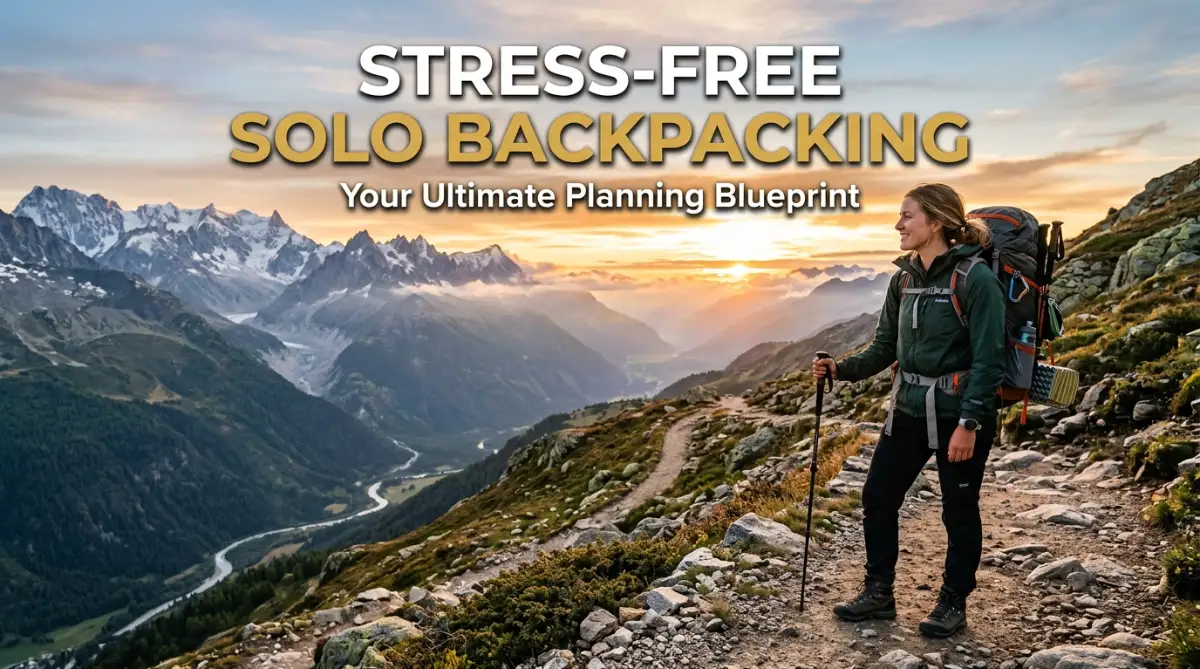
The Heavy Burden of Traveling Alone
I still remember staring blankly at my laptop screen late at night, feeling completely paralyzed by fear and confusion. My dream of exploring new places was right in front of me, but the massive amount of planning made me want to cry. I had dozens of tabs open, trying to figure out train schedules, hostel locations, and safety warnings all at once.
My head was spinning with worst-case scenarios, making me question if I was even brave enough to do this alone. I ended up booking the wrong bus ticket and completely messed up my very first travel day. It took me a long time to realize that throwing a bunch of random plans together is the fastest way to ruin an amazing adventure.
Today, thousands of everyday people face this exact same invisible wall when they decide to travel by themselves. They want to experience the absolute freedom of wandering through unfamiliar streets on their own terms. They dream of waking up in a new city without having to follow someone else's schedule.
But the moment they start searching for practical advice, they drown in an ocean of conflicting information. Social media influencers make it look incredibly easy, posting beautiful photos without showing the messy reality behind the scenes. Normal people end up feeling overwhelmed, stressed, and totally lost before they even pack their bags.
This confusion easily ruins the mental peace you are supposed to feel on a vacation. Instead of enjoying the journey, you spend your entire day worrying about catching the next train or finding a safe place to sleep. Making decisions constantly without any help from a partner leads to severe mental exhaustion.
You might find yourself walking around a dangerous neighborhood at night simply because you did not plan your route properly. You might run out of cash in a small village where no one accepts credit cards. These simple mistakes create so much anxiety that many people swear they will never travel alone again.
Designing Your Perfect Travel Foundation
You do not need to be an expert to create a beautiful journey for yourself. You simply need a logical system that removes the guesswork from your daily decisions. When you have a solid foundation, your mind is free to actually enjoy the places you are visiting.
Let us look at a completely different way to approach your upcoming adventure.
Choosing Your Anchor Destinations
The biggest mistake beginners make is trying to squeeze too many cities into a very short amount of time. They look at a map and think they can visit five different countries in two weeks. This is a guaranteed recipe for total burnout.
Instead of jumping from place to place every single day, you should pick two or three "anchor" destinations. An anchor destination is a main city or town where you will stay for at least three to four days. You will use this location as your home base.
From this home base, you can take small day trips to nearby villages or attractions. If you feel tired one morning, you can just skip the day trip and relax in your main city. This method gives you amazing flexibility while keeping your accommodation stable.
Calculating True Transit Times
Moving from one city to another always takes much longer than you think. A mapping app might tell you that a train ride takes exactly three hours. However, this number does not include the time it takes to pack your bag, check out of your room, and walk to the station.
You also have to factor in the time spent waiting on the platform and navigating a brand-new transit system when you arrive. A simple three-hour train ride can easily eat up seven hours of your day. You must always calculate your "true transit time" to avoid planning heavy activities on travel days.
If you want to master the art of finding the best transportation routes without losing your mind, watch this incredibly helpful video below to see exactly how the experts do it.
The Magic of the Blank Schedule
Science shows that human beings experience decision fatigue when they are forced to make too many choices in a row. When you plan every single hour of your trip, you are forcing your brain to work overtime. You will eventually feel more tired on your vacation than you do at your regular job.
To prevent this, you should leave at least thirty percent of your itinerary completely blank. Do not book any tours, do not reserve any restaurant tables, and do not make any specific plans for these blank spaces. Let your mood decide what you want to do when you wake up.
Maybe you will meet some friendly people at a coffee shop and decide to spend the afternoon with them. Maybe you will discover a beautiful park and spend four hours reading a book under a tree. These unplanned moments usually become the best memories of your entire trip.
Protecting Your Wallet and Peace of Mind
Financial stress is the number one mood killer when you are far away from home. Running out of money or dealing with unexpected expenses can trigger massive panic attacks. Creating a foolproof financial strategy is a massive part of a healthy itinerary.
Structuring a Daily Spending Cap
Creating a massive overall budget is rarely helpful because it is too hard to track on a daily basis. Knowing you have two thousand dollars for the whole month does not tell you if you are spending too much today. You need to break that large number down into a strict daily limit.
Let us imagine your daily spending cap is fifty dollars. If you spend forty dollars on an expensive train ticket in the morning, you instantly know you only have ten dollars left for food. This simple math stops you from accidentally spending all your money in the first week.
If you have a cheap day and only spend twenty dollars, you can roll the remaining thirty dollars over to the next day. This system turns budgeting into a fun little game rather than a stressful chore.
Managing Hidden Travel Costs
Many people build their budgets based only on big things like flights, beds, and main meals. They completely forget about the tiny expenses that slowly drain their bank accounts. These hidden costs add up incredibly fast.
When you plan for these small details, you will never be surprised by a suddenly empty wallet. You will travel with deep confidence, knowing you have covered all your bases.
Securing Safe and Comfortable Rest
Where you sleep dictates how you feel the next day. A bad night of sleep can ruin the most beautiful location in the world. As a solo traveler, your safety and comfort must always be your top priorities when booking a place to stay.
The Two-Night Minimum Rule
Arriving in a new city, checking into a room, sleeping, and checking out the very next morning is extremely exhausting. You never get the chance to unpack your bag or actually rest your body. You spend all your energy constantly moving your luggage around.
You should enforce a strict two-night minimum rule for every place you visit. If a town is not interesting enough to keep you busy for two days, you should just skip it entirely. This rule forces you to slow down and actually experience the culture around you.
My Personal Pro Tip: I used to book the absolute cheapest hostel beds just to save a few dollars, but I ended up sharing a noisy room with twenty people and getting zero sleep. I quickly realized that spending just five extra dollars for a smaller, quieter room completely transformed my energy levels for the next day. Always prioritize your rest over tiny savings, especially when you are traveling by yourself.
Reading the Right Reviews
When looking at online reviews for a place to stay, you should completely ignore the glowing five-star comments. You should also ignore the angry one-star comments, as they are usually written by unreasonable people. The real truth is always hidden in the three-star and four-star reviews.
Look specifically for keywords related to your situation. As a solo traveler, you want to know if the area feels safe to walk around at night. You want to know if there are secure lockers for your passport and electronics.
You should also check how close the accommodation is to the main transit stations. A cheap room loses all its value if you have to pay a massive taxi fare just to reach the city center. Location is often much more valuable than luxury.
Creating a Bulletproof Safety Strategy
Worrying about safety is completely normal, especially when your family at home is constantly expressing their concerns. You can silence these worries by setting up automated safety nets before you even leave your house.
Setting Up Digital Check-Ins
You do not need to text your parents every single hour to prove you are safe. That will quickly become annoying for both you and them. Instead, you should agree on a specific check-in time every few days.
You can also share your live location through simple digital mapping apps. This allows your trusted friends to see exactly where you are without having to bother you with text messages. If something unexpected happens, they will immediately know your last active location.
It is also incredibly helpful to take a quick photo of your taxi license plate before you get in. You can simply send this photo to a friend or save it on your phone. Little habits like this take two seconds but provide massive mental comfort.
Managing Essential Documents
Losing your passport or credit card is terrifying, but it does not have to end your trip. You simply need to have backup systems in place. You should always carry a secondary credit card that you keep in a completely different bag from your main wallet.
You must take clear photos of your passport, travel insurance, and medical records. Store these photos in a secure cloud folder that you can access from any computer in the world. If your bag gets stolen, you can simply borrow a computer, log into your account, and retrieve all your vital information.
Mastering the Art of Lightweight Packing
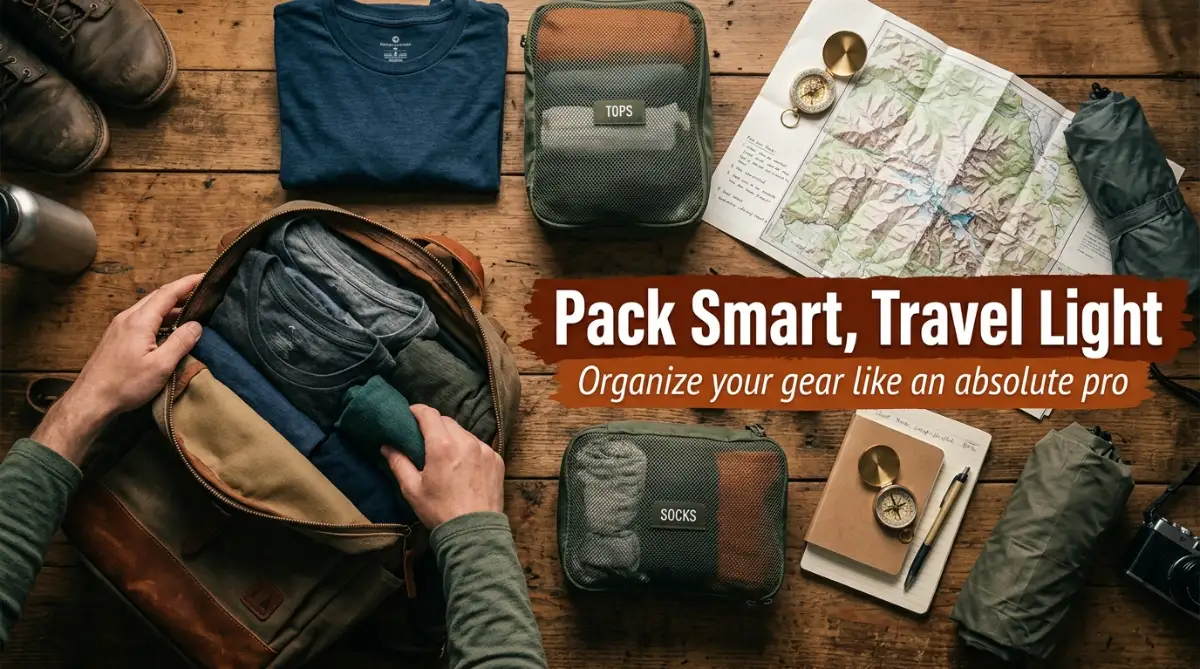
The easiest way to ruin a solo trip is by carrying too much stuff. When you travel alone, there is no one around to help you carry your bags up a giant flight of stairs. You have to handle everything entirely by yourself.
The Rule of Halves
When you are putting your gear together, lay everything you think you need out on your bed. Then, brutally put half of those items back in your closet. We always pack for imaginary situations that will never actually happen.
You do not need three different jackets for a summer trip. You do not need four pairs of shoes. You really only need enough clothes to survive one single week.
Washing on the Go
Instead of carrying fifteen different shirts, you should learn the simple art of doing laundry in the sink. You can buy small, flat packets of laundry soap that fit inside any pocket. Every few days, you simply wash your socks and shirts in the bathroom sink and hang them up to dry overnight.
This simple habit allows you to travel for three months with the exact same tiny backpack you would use for a three-day weekend. Walking through a crowded train station with a small, light backpack makes you feel like a superhero. You can move quickly, avoid getting stuck in crowds, and keep your body free from terrible back pain.
Handling the Emotional Highs and Lows
No one talks about the emotional rollercoaster of being completely alone in a strange environment. There will be days when you feel incredibly lonely, and that is completely normal.
The First 24 Hours Strategy
The first day in a new country is always the hardest. You are dealing with jet lag, a new language, strange money, and unfamiliar streets. Everything feels overwhelming, and your brain might try to convince you that this trip was a huge mistake.
Your only goal for the first twenty-four hours should be survival. Do not plan any museum visits or heavy sightseeing. Just find your room, take a shower, eat a simple meal, and get some sleep.
Once you wake up the next morning with a fresh mind, the city will look completely different. The fear will disappear, and the excitement will naturally return.
Embracing the Solo Dinner
Many beginners feel awkward walking into a restaurant and asking for a table for one. They worry that people are judging them. The reality is that no one in the restaurant is paying any attention to you.
Instead of hiding in your room with fast food, take a notebook or a good book with you to dinner. Enjoying a slow meal by yourself while watching the city move around you is a deeply beautiful experience. It builds a quiet confidence that will stay with you for the rest of your life.
By applying these thoughtful strategies to your planning process, you completely remove the chaos from the equation. You are no longer just surviving your trip; you are actively designing a peaceful, happy, and deeply rewarding personal adventure.
Next-Level Strategies for Long-Term Travel Peace
Once you have the basic foundation of your trip figured out, you need to think about how you will maintain your energy over a longer period. Many beginners start their trips feeling incredibly excited but crash completely by the end of the first week. Surviving a long trip alone requires a completely different mindset than a short weekend getaway.
You have to start treating your personal energy like a very strict bank account. Every single time you navigate a new subway system, speak a foreign language, or look for a safe restaurant, you are spending mental energy. If you do not actively deposit rest back into your brain, you will hit a wall of total exhaustion.
The Three-Day Reset Protocol
When I travel for more than two weeks, I always implement something I call the "Three-Day Reset." After every three days of heavy exploring, hiking, or walking around crowded museums, I force myself to take a completely blank day. On this reset day, I do not set an alarm, and I do not allow myself to do any tourist activities.
I might just sit in a local park, do my laundry, or catch up on my favorite television shows in my room. Taking a day completely off might feel like a waste of vacation time at first. However, research on the psychological benefits of solo exploration proves that mental breaks actually help your brain process and remember the beautiful things you just saw.
This simple habit prevents travel burnout and keeps you genuinely excited for the next destination. You will wake up the following morning feeling completely refreshed and ready for a new adventure.
Managing Remote Work and Digital Organization
A lot of solo travelers today try to mix a little bit of remote work into their travel schedules. Working from a lovely beachside cafe sounds like a perfect dream, but it comes with its own unique set of frustrating challenges. Tropical environments and heavy software do not always mix well.
If you rely on your computer to make money on the road, a hardware failure can instantly ruin your entire trip. If you are working outside in warm climates, knowing how to fix overheating issues in high-performance laptops is an absolute lifesaver. You must always keep your machine cool and backed up to avoid losing important client files.
Speaking of digital backups, carrying physical copies of your passport is no longer enough. You need to keep high-quality scans of all your important documents in a cloud drive. Because these files contain highly sensitive personal data, learning how end-to-end encryption saves you from identity theft is a required skill for modern travelers.
Mastering the Art of Financial Confidence
We talked a bit about setting a daily spending cap earlier, but true financial peace goes much deeper than that. You have to change the way you view your travel funds completely. Money stress is the fastest way to ruin a perfectly good solo adventure.
Instead of just guessing how much things will cost, you should adopt a much stricter approach to your daily funds. By learning how to give every dollar a purpose through zero-based budgeting, you will know exactly where your money is going before you even buy a coffee. This strategy removes the guilt of spending money because you already planned for that specific expense.
You should also never fund your travels with bad debt. Taking on high-interest credit card debt for a two-week vacation will cause you months of anxiety when you return home. If you absolutely need financial help, you should explore how to force your bank to lower your personal loan rates to ensure you are not falling into a massive financial trap.
Preparing for Physical Vulnerabilities
Getting sick when you are completely alone in a foreign country is a genuinely terrifying experience. You might wake up in a hostel bed with a high fever, realizing you do not know how to explain your symptoms in the local language. You must prepare for physical illness before you leave your house.
Always carry a customized medical kit that includes basic painkillers, stomach medicine, and allergy pills. You should also check the official international safety updates for your specific destination to see if you need any special vaccines. Following basic global travel health recommendations ensures you are protected against local water or food issues.
Long bus rides through winding mountain roads can also easily make you sick to your stomach. Interestingly, just as gamers search for ways to stop VR motion sickness and enjoy gaming longer, solo travelers must pack specific remedies for real-world travel nausea. Taking an anti-nausea pill thirty minutes before a scary bus ride can completely save your travel day.
The Silent Traps That Destroy Solo Adventures
Even with the best preparation, the human brain easily falls into emotional traps when exploring unfamiliar places. These mistakes usually happen because we let our excitement override our common sense. Understanding these pitfalls before they happen will save you from major heartbreak.
The Illusion of Social Media Perfection
The most dangerous thing you can do is try to copy an itinerary you saw on a beautiful Instagram reel. Influencers are paid to make travel look completely effortless and incredibly glamorous. They do not show you the part where they cried in a train station because they missed their connection.
When you expect every single day of your trip to look like a movie, you are setting yourself up for massive disappointment. Real travel is messy, unpredictable, and sometimes really uncomfortable. If it rains for three days straight during your beach vacation, you have to find a way to laugh about it instead of getting angry.
If you constantly compare your actual trip to someone else's highlight reel, you will never feel happy. You will spend your whole time looking through a camera lens instead of actually experiencing the location. Put your phone away and accept the messy reality of exploring the world.
The False Security of Crowds
When we are surrounded by hundreds of other tourists in a popular city square, our brains naturally assume we are completely safe. We let our guard down, leave our bags unzipped, and put our wallets in our back pockets. This false sense of security is exactly what professional pickpockets are waiting for.
Thieves do not target dark, empty alleys; they target the busiest tourist attractions in the city. When you are distracted by a beautiful monument, you will never feel a skilled hand reaching into your backpack. As a solo traveler, you never have a friend standing behind you to watch your back.
You must develop a healthy habit of situational awareness. Always wear a hidden money belt under your clothes for your passport and large cash bills. Only keep a small amount of daily spending money in your regular pockets, so if you do get robbed, you do not lose anything important.
Skipping Travel Insurance to Save Money
Many beginners look at the price of comprehensive travel insurance and decide to skip it, thinking they are young and healthy. They convince themselves that terrible accidents only happen to other people. This is the absolute worst financial decision you can possibly make before a solo trip.
If you break your leg on a hiking trail in a foreign country, the emergency hospital bills can easily cost tens of thousands of dollars. Without insurance, you are completely on your own to figure out how to pay those massive bills. You might even have to ask your family for emergency money, which is incredibly embarrassing and stressful.
Travel insurance does not just cover medical emergencies; it also covers stolen laptops, canceled flights, and lost luggage. Paying fifty dollars for an insurance policy buys you absolute peace of mind for your entire trip. If you cannot afford to buy travel insurance, you honestly cannot afford to travel.
Trusting Your Memory for Navigation
We are so used to having high-speed internet at home that we assume our mapping apps will work perfectly everywhere we go. You might happily jump off a bus in a small coastal town, assuming you can just load directions to your hotel. Suddenly, you realize you have zero signal and no idea which way to walk.
Wandering around a strange town with all your heavy luggage makes you look lost, vulnerable, and completely stressed out. Scammers can easily spot a lost tourist from miles away.
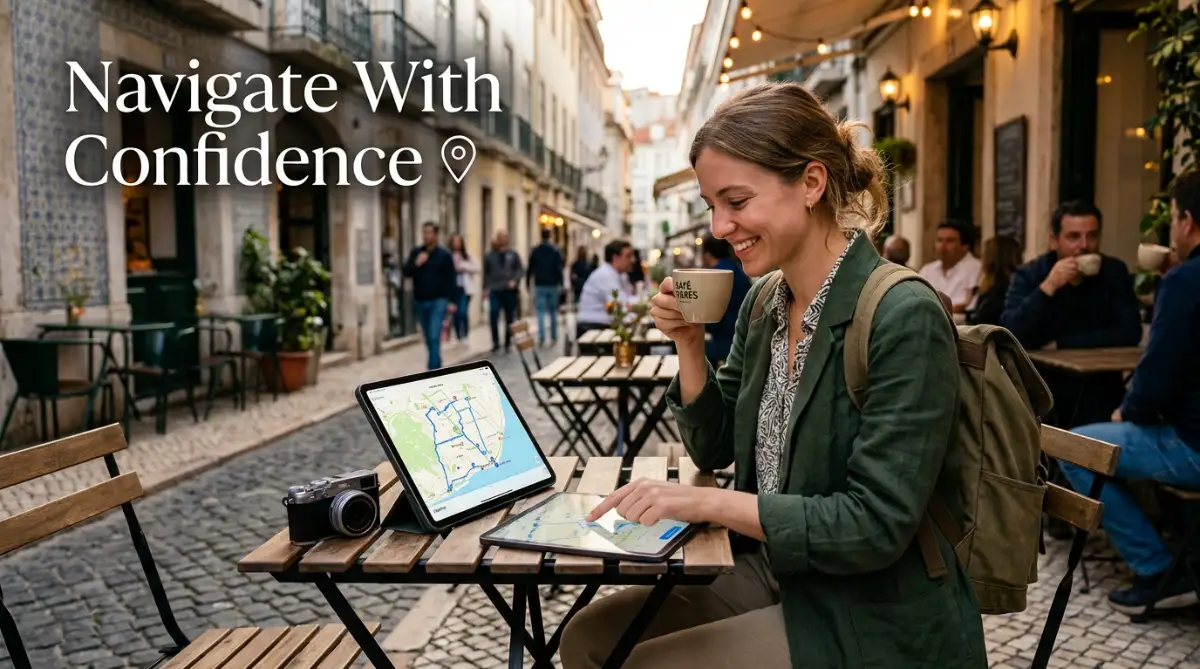
You must always download offline maps for every single city you plan to visit before you actually arrive there. Take screenshots of your hotel address in both English and the local language. Having these digital backups means you will never feel panicked when your phone loses its internet connection.
Your Blueprint to an Unforgettable Solo Journey
Planning a solo trip does not have to feel like studying for a terrible college exam. By breaking the process down into logical, manageable pieces, you completely eliminate the anxiety of the unknown. You are now equipped with the practical tools needed to protect your energy, your money, and your physical safety.
Start by choosing your anchor destinations carefully, leaving plenty of blank space in your daily schedule. Create a strict daily spending cap so you never have to stress about running out of cash. Protect your important documents digitally and physically, and always prioritize your rest over saving a few extra dollars.
Remember that making mistakes on the road is just part of the adventure. You will probably get on the wrong train at least once, and you will definitely accidentally order a weird meal you cannot eat. These tiny failures are not disasters; they are the funny stories you will tell your friends when you get back home.
My Personal Note to You: I honestly believe that buying my first solo plane ticket was the single best decision I ever made for my personal growth. I was terrified when I packed my bag, but returning home knowing I handled everything completely by myself gave me a level of confidence I never knew existed. Do not let fear keep you sitting on your couch; the world is incredibly kind, and you are far more capable than you think.
Honest Answers to Your Biggest Solo Travel Worries
Is it actually safe for a beginner to travel completely alone?
Yes, traveling alone is incredibly safe if you follow basic common sense and listen to your instincts. Do not walk alone late at night in unfamiliar areas, keep your valuables hidden, and research common local scams before you arrive. Millions of ordinary people travel solo every year without ever facing a single dangerous issue.
How do I handle sudden loneliness when traveling by myself?
Loneliness is completely normal, especially during your first few days on the road. The easiest way to beat it is to book a walking tour, sit in the common area of a friendly hostel, or simply call a good friend back home. Usually, just getting out of your room and walking through a busy local market is enough to lift your spirits.
What should I do if my credit cards get blocked or stolen?
You should always carry a hidden backup credit card and at least one hundred dollars in emergency US cash in a separate bag. If your main card gets stolen, immediately log into your banking app to freeze the card. You can then use your backup cash or secondary card to survive until you contact your bank for a replacement.
Do I need to book every single hostel before I leave my house?
You definitely do not need to book your entire month of travel in advance, as that ruins your flexibility. However, you should absolutely always book your first two nights in a new country before you arrive. This guarantees you have a safe, stress-free place to sleep while you recover from the exhaustion of your flight.
Disclaimer: The information provided in this article is for educational and informational purposes only and does not constitute professional financial, medical, or travel advice. Travel conditions, visa requirements, and safety situations change constantly. Always conduct your own independent research and consult official government resources or certified professionals before making personal travel decisions.