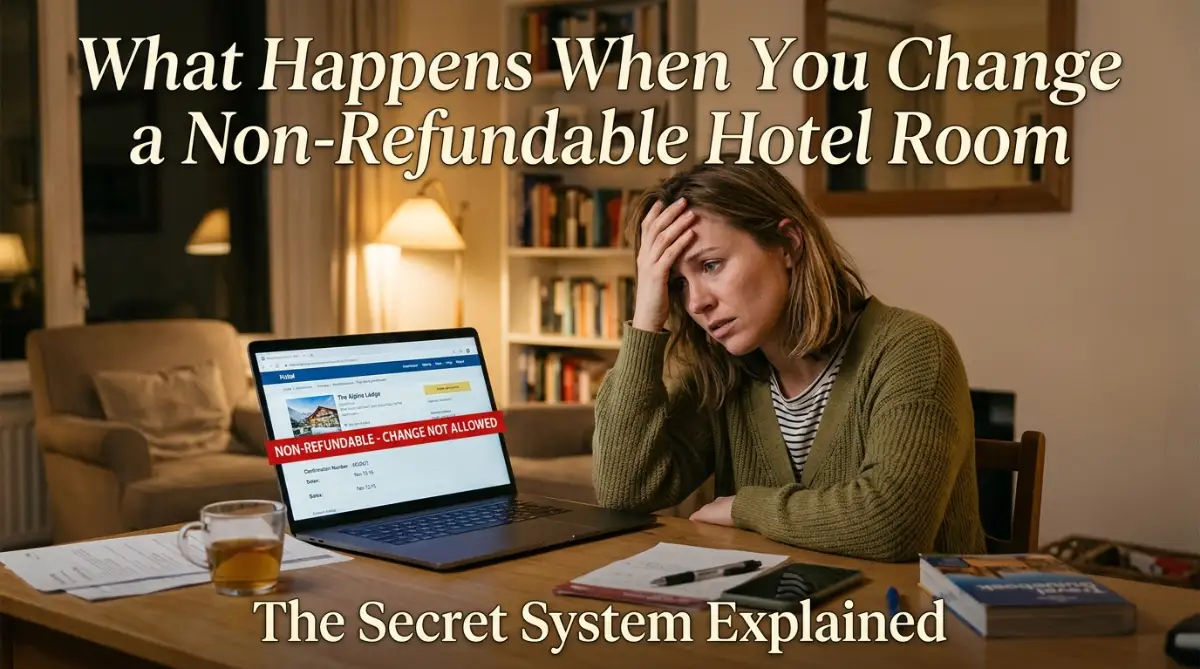
The Panic of Booking a Room You Cannot Change
I remember sitting at my desk, staring at my computer screen with a sinking feeling in my stomach. I had just realized that my upcoming vacation dates were completely wrong. The big, bold letters on my confirmation email stared back at me: Non-Refundable.
My hard-earned money felt like it was gone forever, and I was desperate to find a way out of this trap. That night, I barely slept as I kept thinking about the hundreds of dollars I was about to lose. It is a terrible feeling that many of us know all too well when our travel plans suddenly fall apart.
When you click that booking button, you never expect things to go wrong. But then a sudden family emergency happens, or your work schedule changes, and you are stuck. You feel like you are fighting against a giant, heartless machine.
The hotel already has your money, and you have absolutely nothing to show for it. This frustration can ruin your peace of mind and leave you feeling completely helpless. You ask yourself why they cannot just click a button and change the date.
After all, you are not asking for your money back, just a simple shift in schedule. But the person on the other end of the phone line sounds like a robot. They keep repeating the same policy over and over again without showing any real empathy.
I decided to dig deeper into how these hotel booking systems actually work behind the scenes. What I found was a complex world of software, contracts, and hidden rules. Knowing these secrets can help you win your money back or get your dates changed.

The Secret Software Systems That Lock Your Reservation
When you book a room, your data travels through a complex web of technology. It starts at the online travel agency, or OTA, and ends up in the hotel's local system. This local system is called the Property Management System, or PMS.
The moment a non-refundable booking is made, the PMS automatically flags it. It marks the room as sold and immediately charges your credit card. The system is programmed to prevent any staff member from easily changing the dates.
Why Your Money is Instantly Locked in the System
Hotels offer cheaper rates for non-refundable bookings because they need guaranteed cash flow. They use this money to pay for upfront costs like utility bills, staff wages, and cleaning supplies. Once that cash is in their bank account, they do not want to let it go.
If they let everyone change their minds, their financial planning would completely fall apart. The software is designed to make modifications difficult to prevent lost revenue. It is not just a policy; it is a core part of how hotels stay profitable.
The Hidden Role of the Online Travel Agency (OTA)
Many people do not realize that booking websites like Expedia or Booking.com do not own the hotel rooms. They are simply middle agents who take a hefty commission of fifteen to twenty-five percent. When you want to make a change, the OTA cannot do it without the hotel's permission.
If the OTA changes your booking without approval, the hotel will refuse to pay them their commission. This is why the customer service agent on the phone always seems so stubborn. They are bound by a strict contract that they cannot break without direct permission from the hotel manager.
Myth vs. Reality: What Can Actually Be Changed?
Let us break down some of the biggest misunderstandings about these strict bookings. Many travelers believe that once they buy a non-refundable room, they have zero options. This is simply not true if you know how the system operates.
As you can see, the rules are not as solid as they appear on your screen. There is always a human element behind the digital wall. Understanding this human element is the key to getting what you want.
The Step-by-Step Strategy to Modify Your Booking
If you need to change your non-refundable stay, do not panic. I have developed a clear strategy that has helped me save thousands of dollars over the years. Here is how you can navigate the system and get results.
Step 1: Speak Directly to the Hotel, Not the Booking Site
The biggest mistake you can make is spending hours on hold with the online travel website. Those agents are trained to say "no" to save time and protect their commissions. Instead, call the hotel property directly and ask for the front desk manager.
The local staff have the actual power to change your reservation in their computer system. They are also more likely to listen to your story because they care about their local reputation. A friendly conversation with a real person at the property is always your best starting point.
Step 2: Pitch a Date Change Instead of a Cancellation
Hotels hate giving money back because it hurts their daily revenue goals. However, they are much more open to moving your dates to a future month. This way, they get to keep your money, and you still get your hotel stay.
When you call, frame your request as a postponement rather than a cancellation. Tell them you are excited to stay at their beautiful property, but you just need to shift the dates. This simple shift in framing makes it much easier for the manager to say yes.
Step 3: Offer to Pay the Price Difference
If the new dates you want are more expensive, tell them you are happy to pay the extra cost. This shows the hotel that you are not trying to get something for free. It makes the modification look like a win-win situation for both parties.
The manager will see that they are actually making more money from your booking. This makes them much more willing to go into their system and change the non-refundable status. It is a small price to pay to save your entire reservation.
Want to see exactly how a hotel front desk handles these booking systems in real-time? Watch this eye-opening video to learn the exact scripts you can use to change your booking today.
Behind the Front Desk: The Power of Empathy
When you call the hotel, you must remember that the front desk agent is a human being. They spend their entire day listening to angry guests yelling about different problems. If you start the conversation with kindness and respect, you will instantly stand out.
My Personal Secret Tip: When I was stuck with a tight non-refundable booking, I did not call during their busiest check-in hours. Instead, I called the hotel late at night when the front desk was quiet and calm. By being incredibly polite and explaining my situation, they agreed to change my dates without charging me a single extra penny.
How the Front Desk System Handles Your Request
When a manager agrees to help you, they must open their Property Management System. They will search for your reservation number and manually click on the date modifier tool. They will then change the dates and save the new booking details.
If you booked through an OTA, the manager must write a special note in the system. This note tells the OTA that the hotel has authorized the change without any penalties. Once this is done, you will receive a new confirmation email with your updated dates.
The "Rate Plan" Switch Trick
Another secret method is asking the hotel to change your rate plan instead of your dates. You can ask them to upgrade your room to a higher category for a small fee. Often, this action unlocks the reservation and allows the system to accept changes.
Once the system is unlocked, you can easily move the booking to a different date. Many clever travelers use this trick to bypass the strict digital blocks on standard rooms. It is a highly effective way to get around automated system rules.
Why Room Inventory Affects Your Modification Request
To understand why hotels say no, you must understand how they manage their room inventory. Every single night a room sits empty is money lost forever. Unlike physical products, you cannot sell yesterday's hotel room today.
If you try to modify your booking at the last minute, the hotel faces a major risk. They might not be able to resell your original room to someone else. This is why your chances of a successful modification drop significantly as your check-in date gets closer.
The Best Time to Ask for a Modification
If you need to make a change, you should do it as early as possible. Asking for a change two weeks in advance is much more likely to succeed than asking two hours before check-in. It gives the hotel plenty of time to resell your original room to another guest.
The software also tracks how many rooms of your type are still available for those dates. If the hotel is nearly empty, the manager will be much more relaxed about helping you. However, if they are fully booked, they will likely deny your request to protect their high-value inventory.
The Impact of Big Events on Your Modification
If your booking is during a major holiday, a concert, or a business conference, modifying will be extremely difficult. During these peak times, hotels can easily sell out all their rooms at premium rates. They will not want to change your booking because they can get a higher price from someone else.
On the other hand, if you are traveling during the slow season, you have much more leverage. The hotel is already struggling to fill rooms, so they will want to keep you happy. They will gladly move your dates to ensure they keep your business.
How to Protect Yourself from Booking Traps in the Future
While you can often negotiate a change, it is always better to avoid these stressful situations entirely. There are a few simple habits you can build to protect your hard-earned money. These steps will give you peace of mind whenever you plan your next trip.
Tip 1: Always Read the Cancellation Policy Carefully
Never click the "book" button without reading the small print first. Many booking websites hide their strict terms under a small link that is easy to miss. Take a few extra seconds to check if there is a free cancellation window available.
Sometimes, paying an extra ten dollars for a flexible rate is worth every penny. It gives you the freedom to change your plans without any stress or phone calls. It is a small investment that can save you hundreds of dollars later.
Tip 2: Use a Credit Card with Built-in Travel Insurance
Many premium credit cards offer excellent travel protection as a free benefit. If you book your hotel with one of these cards, you might be covered for unexpected changes. This insurance can reimburse you if you have to cancel due to sickness or bad weather.
Check your credit card benefits guide to see what kind of coverage you have. You might be surprised to find that you are already protected against non-refundable losses. It is an easy way to get peace of mind without buying extra insurance policies.
Tip 3: Buy Independent Travel Insurance
If you are planning an expensive vacation, buying separate travel insurance is highly recommended. These plans are relatively cheap and cover a wide range of unexpected events. They can help you recover your costs if the hotel refuses to modify your reservation.
Make sure to choose a plan that includes a "Cancel for Any Reason" option if you want maximum flexibility. This allows you to walk away from any booking and get a large percentage of your money back. It is the ultimate shield against strict hotel policies.
The Global Distribution System (GDS) Network
Behind the hotel's local system sits a massive network called the Global Distribution System. This network connects travel agents, airlines, and hotels all over the globe. When you try to modify a room, this massive network has to process the update.
This processing can sometimes take hours or even days to sync across all databases. This is why immediate changes are almost impossible for an OTA customer service agent to confirm. The system relies on a slow synchronization process to prevent double-booking.
The Hidden Costs of Modification Fees
Even when a hotel allows a change, they might try to hit you with a steep modification fee. These fees are designed to discourage people from constantly shifting their travel dates. Always ask the manager if they can waive this extra charge as a courtesy.
If you have a legitimate emergency, many managers will happily waive the fee to keep your goodwill. They know that a happy guest will write a positive online review and return in the future. A small gesture of kindness on their part can lead to long-term customer loyalty.
Corporate Overrides and Special Circumstances
Large hotel chains like Marriott or Hilton have special corporate guidelines for modifications. If you are a loyalty member, you are protected by a separate set of rules that regular guests never see. These corporate policies often allow more flexibility during extreme weather or natural disasters.
Always check the chain's official website for any active travel advisories before you call the local property. If there is a storm or flight delay, the system is automatically opened up for modifications. You can use this window of opportunity to shift your dates without any questions asked.
Final Thoughts on Navigating Strict Booking Systems
Dealing with a non-refundable hotel booking can be incredibly stressful, but you are not completely powerless. By understanding how the systems work and speaking directly to the right people, you can often find a solution. Always remain polite, explain your situation clearly, and offer flexible alternatives to get the best results.
Travel should be an exciting adventure, not a source of financial anxiety. With these expert tips in your mind, you can book your next stay with complete confidence. Remember that there is always a human being on the other side of the screen who can help you.
Master-Level Negotiation Tactics and System Loophole Secrets
Negotiating a change for a locked room requires more than just a polite phone call. You need to understand the structural pressures that hotel managers face on a daily basis. By speaking their language, you can find quiet ways to bypass automated policies.
One highly effective strategy is the Double-Booking Switch Trick, which is often used by frequent business travelers. To do this, you first call the hotel and ask to move your non-refundable dates far into the future, perhaps six months away. Most managers will agree to this change because it does not result in an immediate loss of money.
Once your reservation is successfully moved to the future date, wait a few days for the system to update. Then, call back during a different shift and request a cancellation for this new booking. Because the new check-in date is now months away, the automated policy will often allow a free cancellation or a modification without penalty.
If you spend hours researching travel hacks on your computer, you might notice your machine slowing down. You can check out this guide on how to diagnose and fix overheating issues in high-performance laptops to keep your research sessions running smoothly. Maintaining your hardware is just as important as optimizing your travel strategy.
Another advanced method is leveraging your status with major hotel loyalty programs. Many corporate chains have quiet rules that allow elite members to modify any booking, regardless of the rate class. You can study these industry standards on the official portal of the American Hotel & Lodging Association to see how policies vary.
When you contact the hotel, make sure to mention your loyalty membership number early in the conversation. Even if you only have entry-level status, hotels prefer to keep registered members happy. They know that a registered user is highly likely to spend more money at their properties over time.
Managing your travel expenses is just like any other financial plan. If you are learning the beginner's blueprint to zero-based budgeting, you know how important it is to protect every dollar. Saving money on hotel fees helps keep your travel fund secure and properly managed.
You can also try to negotiate a credit voucher instead of a direct date change. This is a massive win for the hotel because they get to keep your cash in their bank account immediately. It gives them the freedom to use that capital while giving you the flexibility to travel later.
When sharing your travel documents, confirmation receipts, or credit card details online, digital safety is a major concern. Protecting your personal data is just as important as securing your booking, which is why understanding the hidden dangers of cloud storage can protect your identity from hackers. Always use encrypted folders when storing copies of your travel documents online.
If the local manager remains stubborn, you can escalate the issue by contacting the corporate customer relations office. Large hospitality brands often have dedicated teams to resolve customer complaints. These corporate offices have the authority to issue travel vouchers even if the local property refuses.
Negotiating with hotel staff is very similar to dealing with financial institutions. Just like learning how to force your bank to lower your personal loan rates, using a calm and professional tone can yield unexpected savings. Armed with the right information, you can steer the conversation toward a favorable outcome.
According to consumer protection studies published by Consumer Reports, persistent and polite consumer negotiation solves a high percentage of contract disputes. Hotels want to avoid formal disputes because they require time and administrative costs to resolve. Providing a reasonable solution is almost always the easiest path for the property.
Travel anxiety and motion sickness can sometimes ruin a physical trip, much like digital motion sickness affects gamers. If you enjoy gaming during your downtime, you can read about how to stop VR motion sickness to make your virtual adventures more comfortable. Staying physically well ensures that you can enjoy your modified trip once everything is settled.
In the long term, the ultimate way to maintain your flexibility is to build strong relationships with independent boutique hotels. These smaller properties are not bound by massive corporate software networks. Their owners have complete freedom to assist you and modify bookings on the spot.
The Power of the Afternoon Shift
The timing of your call can dramatically impact the success of your negotiation. You should avoid calling early in the morning when the staff is busy checking out hundreds of guests. During these busy hours, the agents are highly stressed and want to end phone calls as quickly as possible.
Instead, try calling between two in the afternoon and four in the afternoon. This is the quiet window after checkout time and before the evening check-in rush begins. The staff will have much more time to listen to your story and work on your booking in the system.
The "Out of Order" Room Trick
Sometimes, hotels face maintenance issues such as broken pipes or electrical problems that put rooms out of order. If the hotel is overbooked or dealing with maintenance, they might actually want you to modify your stay. By calling early, you can offer them an easy way out of their inventory squeeze.
You can let them know that you are flexible and willing to move your dates to assist them. This positions you as a helpful guest rather than a demanding customer. The hotel will often reward your flexibility by waiving all modification fees.

The Dangerous Trapdoors: Errors That Cost You Your Money
When travelers find themselves stuck with a non-refundable booking, fear and anger often take over. This panic leads to several common mistakes that can instantly ruin your chances of finding a solution. Knowing what not to do is just as important as knowing the correct strategy.
One massive error is calling the hotel and immediately threatening a credit card chargeback. While a chargeback sounds like an easy fix, it is actually a form of contract dispute. The hotel's accounting department will quickly submit your signed booking agreement to the bank as proof of purchase.
When the bank sees the clear terms of your non-refundable rate, they will almost always rule in favor of the hotel. Even worse, the hotel might blacklist you from their properties for attempting fraud. You lose your money, your reservation, and your ability to book with that brand in the future.
Another trap is making up overly dramatic stories to gain sympathy from the front desk agent. Hotel workers hear hundreds of elaborate excuses every single week, and they can easily spot a lie. If they catch you in a lie, they will write a note in your file to block any future assistance.
Instead, you should always stick to the simple truth or offer a highly realistic explanation. If you have a medical issue, offering to provide a basic doctor's note shows that you are acting in good faith. Honest communication builds trust, which makes the staff want to find a loophole for you.
Many travelers also make the mistake of waiting until the very last second to speak up. They hope that the problem will somehow solve itself, but this delay only ruins their leverage. Academic research on booking behavior from the Cornell University School of Hotel Administration shows that vacant rooms represent completely lost revenue.
If you notify the hotel early, they still have a realistic chance of reselling your room to someone else. If you wait until check-in time, you leave them with an empty room that they cannot monetize. This financial loss makes them highly unlikely to show you any mercy.
Lastly, do not take your frustration out on the customer support agents who answer the phones. These workers do not make the rules; they are simply trying to do their jobs without getting fired. If you are rude or aggressive, they will simply hide behind the written policy and hang up the phone.
A bad attitude will instantly close doors that might have been opened with a bit of kindness. You must treat the agent as an ally who can help you solve a complex puzzle. Staying calm and collected is your most powerful tool in these difficult negotiations.
Some people try to bypass the hotel entirely by complaining loudly on social media platforms. While public pressure can sometimes work for massive airline disputes, it rarely works for individual hotel bookings. Instead of helping you, the hotel's public relations team will simply refer you back to the terms you signed.
This public battle can embarrass the property and make them even more stubborn. It is always better to resolve the issue privately through quiet, professional channels first. Public complaints should only be used as an absolute last resort when all other options have failed.
The Danger of Chargeback Threats on Social Media
Some travelers think that tagging a hotel chain on public forums will force their hand. While large corporations monitor social media, they will not break their legal contracts over a tweet. In fact, public threats often make their legal teams less willing to offer any courtesy exceptions.
Keep your public social media communication polite, constructive, and focused on finding a mutual solution. You can ask for a customer service representative to direct message you to discuss the details privately. This professional approach shows that you want to resolve the issue fairly without hurting their brand.
Your New Strategic Roadmap for Booking Confidently
Navigating the complex world of hotel booking systems can feel overwhelming, but you now hold the secrets to success. You do not have to accept defeat the next time you see a non-refundable warning on your confirmation. By using these expert negotiation tactics, you can protect your wallet and your peace of mind.
Remember to always build a bridge of empathy with the local staff before asking for any favors. Treat the situation as a collaborative puzzle where both you and the hotel can walk away happy. With the right approach, a cold digital policy can be transformed into a warm human solution.
As you prepare for your next adventure, use these steps as your personal checklist for stress-free travel. The travel industry is constantly changing, but the power of professional communication remains constant. You have all the tools you need to take control of your travel plans today.
Always document every single conversation you have with the hotel staff during this process. Write down the name of the agent, the time of the call, and the exact details they promised. This written record will be incredibly helpful if you need to follow up later.
If an agent agrees to make an exception, politely ask them to send a quick confirmation email immediately. Having a written confirmation protects you in case another shift manager tries to reverse the decision. It is the final security step to ensure your modified plans are safe.
I have faced these exact booking nightmares myself and felt the stress of watching money slip away. By using these exact steps, I was able to turn a lost vacation into a successful trip later in the year. I know you can achieve the same positive results by staying calm, polite, and persistent.
Answers to Your Toughest Booking Questions
Can a hotel front desk clerk waive a non-refundable policy?
A regular front desk clerk usually does not have the system permissions to override a locked booking. However, they can easily transfer your call to the manager on duty who has the authority to make changes. Always ask politely to speak with a supervisor if you want to request a modification.
Does travel insurance always cover non-refundable hotel stays?
Standard travel insurance only covers non-refundable bookings if you cancel for a covered reason, such as illness or flight cancellations. If you want the freedom to change your plans for any reason, you must purchase a special policy. These upgrades are slightly more expensive but provide complete booking protection.
What happens if I simply do not show up for my reservation?
If you do not show up, the hotel will mark your status as a "no-show" and keep the entire payment. They will also release the room to other guests, meaning they might sell the same room twice. You should always call to modify the booking rather than letting it go to waste.
Can online booking sites override the hotel's decisions?
Online booking sites must follow the rules agreed upon in their contract with the hotel. If the hotel manager says no to a change, the booking site cannot force them to modify the reservation. This is why you must get the hotel's approval first before calling the booking site.
Can I sell my non-refundable hotel room to someone else?
Many hotels will allow you to change the name on the reservation for a small fee or even for free. If you cannot make the trip, you can look for online marketplace platforms where travelers buy and sell bookings. This is a clever way to recover some of your costs without dealing with strict policies.
Does a doctor's note guarantee a modification or refund?
While a medical note does not legally guarantee a change, most hotels will honor it as a gesture of goodwill. Managers want to avoid bad publicity and show genuine care for sick guests. Always offer to email a copy of your medical note to make their decision easier.
Disclaimer: The information provided in this article is for educational purposes only. Booking policies, systems, and terms of service vary widely by hotel chain, country, and platform. While these negotiation techniques are designed to help you communicate effectively with properties, success is never legally guaranteed. Always review your specific booking terms and local consumer protection laws before making travel decisions.