The Night I Almost Lost Everything to High Interest
High credit card interest quietly drains your bank account every single month. When you carry a balance at a 24% interest rate, more than half of your hard-earned money goes directly into the bank's pocket instead of paying down what you owe. I used zero-percent balance transfers to wipe out my debt years faster without giving banks an extra dime in fees, and I will show you the exact system to do the same safely.
If you are reading this right now, I know exactly how that suffocating chest pain feels. You try to be completely responsible with your money, but one emergency medical bill or unexpected car repair can completely derail your life. Once you carry a balance on a high-interest credit card, the math turns against you instantly.
The heavy burden of debt destroys your mental peace and changes how you interact with your own family. You start snapping at your kids over small things, and you lose hours of sleep doing panicked math in the dark. The constant worry about making the next minimum payment completely drains your daily energy.
You go to the grocery store and quietly pray that your card does not get declined at the register. Normal people are struggling with these massive interest rates, and it feels deeply unfair to watch your hard-earned cash vanish. The banks make record profits while everyday families silently drown in compounding interest.
But I promise you that this nightmare does not have to be your permanent reality. There is a completely legal, highly effective way to stop the bleeding and take your power back from these greedy credit card companies. We are going to explore exactly how you can move your debt safely, without falling into the hidden traps they set for you.

Quick Summary: The 4 Golden Rules of Balance Transfers
- Watch the Upfront Fee: Standard offers charge a 3% to 5% fee; look for local credit unions to find true $0 transfer fee deals.
- Automate Your Fixed Monthly Payment: Divide your total balance by the number of interest-free months and set up auto-pay 5 days before your due date.
- Stop Swiping the Card: Never use your balance transfer card for everyday groceries or shopping, or you will trigger mixed-interest rate penalties.
- Keep Old Accounts Open: Cutting up your old card stops new spending, but keeping the account active protects your credit history and score.
Decoding the Secret Language of Banks
Before you try to move your money, you must completely understand how the banking game is actually played. Credit card companies rely heavily on the fact that most consumers never read the fine print. They make their terms incredibly confusing on purpose, hoping you will just blindly sign the agreement.
Think of a balance transfer like moving your heavy furniture from an old, leaky apartment into a brand-new, secure house. You are taking the exact same debt you already owe and simply moving it to a different bank that offers you better conditions. The main goal is to find a bank that will give you a zero percent interest rate for a specific amount of time.
When you stop paying twenty-five percent interest every month, one hundred percent of your payment actually goes toward reducing your principal debt. This single move can literally shave years off your repayment schedule and save you thousands of dollars. However, banks are not charities, and they have incredibly clever ways to charge you if you are not careful.
Why Banks Offer Zero Percent Promos
You might be asking yourself why any bank would let you borrow money for absolutely free. This is a brilliant marketing strategy called a "loss leader" in the financial world. The new bank wants to steal you away from their competitor, hoping you will eventually become a long-term, profitable customer.
Pro Tip: I used to think banks were just being incredibly generous when they sent me those shiny 0% APR letters in the mail. Then I realized they were actually betting heavily that I would fail to pay off the balance before the promotion ended. Once I understood their psychological game, I finally took back my total financial control.
They know that human nature is highly predictable and deeply flawed. The statistics show that a massive percentage of people will not actually pay off their full balance before the promotional period ends. When that timer runs out, the bank will immediately slam you with a massive interest rate on the remaining balance.
Watch this incredibly helpful breakdown on how banks trick you with interest rates and how to beat them at their own game:
By understanding their exact motivation, you can use their promotional money to your extreme advantage. You are simply going to borrow their zero-interest cash, pay off your debt quickly, and never give them a single penny in fees. You just have to follow a strict set of rules to make sure you do not trigger any hidden penalties.
The Science of the Sneaky Transfer Fee
This is the exact spot where most well-meaning people lose a lot of money without even realizing it. When you see a huge advertisement for a "Zero Percent Balance Transfer," your brain immediately thinks the entire process is completely free. However, almost every single credit card company charges a one-time fee just to move your money over to them.
This is known as the balance transfer fee, and it typically ranges from three to five percent of the total amount you are moving. Let us look at a very simple real-life scenario to see how this math actually works. If you transfer ten thousand dollars of debt, a five percent fee means the bank instantly adds five hundred dollars to your new balance.
That five hundred dollars is added on day one, meaning you are already deeper in debt before you even make your first payment. While paying a fee is sometimes mathematically better than paying high monthly interest, your ultimate goal is to avoid this fee entirely. Finding a card that offers both zero percent interest and a zero-dollar transfer fee is the absolute holy grail of debt management.
The Takeaway: Even with a $300 transfer fee, you still keep nearly $1,700 in your pocket compared to leaving your balance on a high-rate card.
Hunting for the True Zero-Fee Offers
These highly desired zero-fee cards actually exist, but banks do not advertise them loudly because they make zero profit from them. You have to actively hunt them down by searching specifically for "no balance transfer fee credit cards" through trusted financial review sites. These special offers are usually reserved for people who have maintained a fairly decent credit score despite their current debt load.
Credit unions are incredibly famous for offering these consumer-friendly deals compared to massive national banks. Because credit unions are owned by their members, they focus on helping you rather than extracting maximum profit for shareholders. Always check with your local community credit union first before applying for a card with a giant corporate bank.
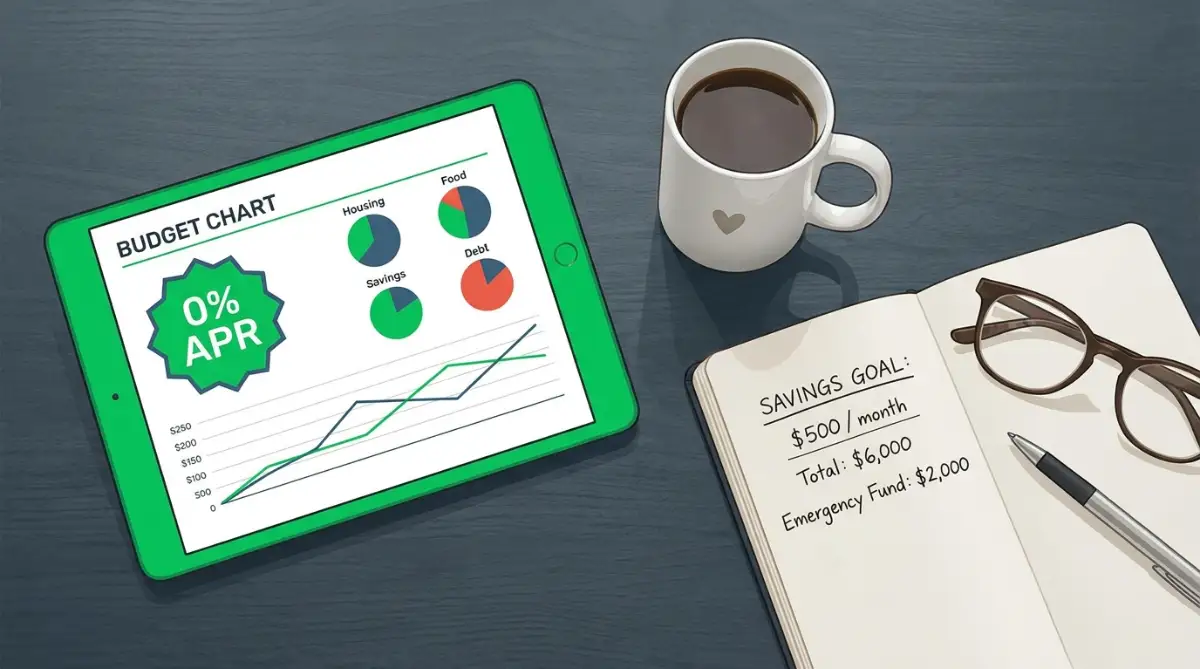
If you do have to accept a card with a transfer fee, you must do the exact math to ensure the move makes logical sense. Compare the one-time fee to the total amount of interest you would pay on your old card over the next twelve months. If the transfer fee is significantly lower than your current yearly interest charges, making the move is still a very smart financial decision.
Reading the Fine Print Like a Detective
Once you find a great offer, you must completely ignore the giant bold text on the front of the envelope. The actual truth of your financial agreement is hidden deep inside the tiny, boring text on the very back page. This is exactly where banks hide the nasty rules that can completely ruin your debt payoff plan.
First, you need to check the exact length of the promotional zero percent period. Some cards offer six months, while others might offer up to twenty-one months of completely interest-free breathing room. You need to know this exact date so you can calculate exactly how much you need to pay each month to hit a zero balance.
If you have a five thousand dollar debt and an eighteen-month promotion, you must pay at least two hundred and seventy-eight dollars every single month. If you only pay the minimum payment requested by the bank, you will absolutely fail. The bank purposely sets the minimum payment so low that you cannot possibly clear the debt before the promotion explodes.
The Deadly Late Payment Trap
This is the most dangerous hidden trap in the entire balance transfer industry, and you must avoid it at all costs. Buried deep in your contract is a clause that clearly states your zero percent promotion can be instantly canceled if you miss a single payment. If you are even one day late, the bank will aggressively revoke your deal and apply their maximum penalty interest rate.
They are actively waiting for you to make a simple human mistake so they can start charging you money again. You must build a completely automated defense system against this exact scenario. The very first day you activate your new card, log into your banking portal and set up automatic monthly payments.
Set the automatic payment for at least five days before your actual due date. This gives you a safe buffer in case the weekend delays the bank transfer or a technical glitch happens. When the process is fully automated, you completely remove the risk of forgetting a payment during a busy, stressful week.
Protecting Your Credit Score During the Move
Many people are terrified to open a new credit card because they believe it will completely destroy their credit score. This fear keeps them trapped in high-interest debt when they actually have the power to escape. While opening a new account does cause a tiny, temporary drop in your score, the long-term benefits are absolutely massive.
Your credit score is heavily heavily influenced by a math equation called your Credit Utilization Ratio. This simply means how much debt you currently owe compared to the total amount of credit you have available. When your current credit cards are completely maxed out, your utilization ratio hits one hundred percent, which severely hurts your credit score.
When you open a new balance transfer card, the bank gives you a brand new credit limit. This instantly increases your total available credit across all your accounts. Even though you still owe the exact same amount of money, your overall utilization percentage drops significantly, which often causes your credit score to rise quickly.
The Big Mistake with Old Accounts
After you successfully move your balance to the new zero percent card, you will look at your old credit card and see a beautiful zero balance. Your immediate instinct might be to call the old bank and completely close that account out of pure anger. You must absolutely resist this urge because closing the old card will actually damage your credit score.
Closing an old account instantly wipes away the credit limit attached to it, which ruins that helpful utilization ratio we just talked about. It also shortens your average age of credit history, which is another major factor that credit bureaus look at. Unless the old card has an incredibly high yearly fee that you cannot afford, simply leave the account open and active.
Take a pair of scissors and physically cut the old plastic card into tiny pieces so you cannot possibly use it at the store. Delete the old card numbers from your internet browser and your favorite shopping apps. Keep the account alive on paper, but completely remove your physical ability to accidentally run up new debt on it.
The Golden Rule of No New Purchases
You must treat your new balance transfer card like a strict quarantine zone for your old debt. This new card exists for one single purpose: paying off your past mistakes as quickly as humanly possible. You absolutely cannot use this new card to buy groceries, pay for gas, or shop online under any circumstances.
Many banks have incredibly confusing rules about how they apply your payments if you mix new purchases with transferred balances. They will often apply your monthly payment to the zero percent balance first, leaving your new purchases to gather massive amounts of daily interest. Mixing old debt with new spending is a guaranteed way to lose control of your finances again.
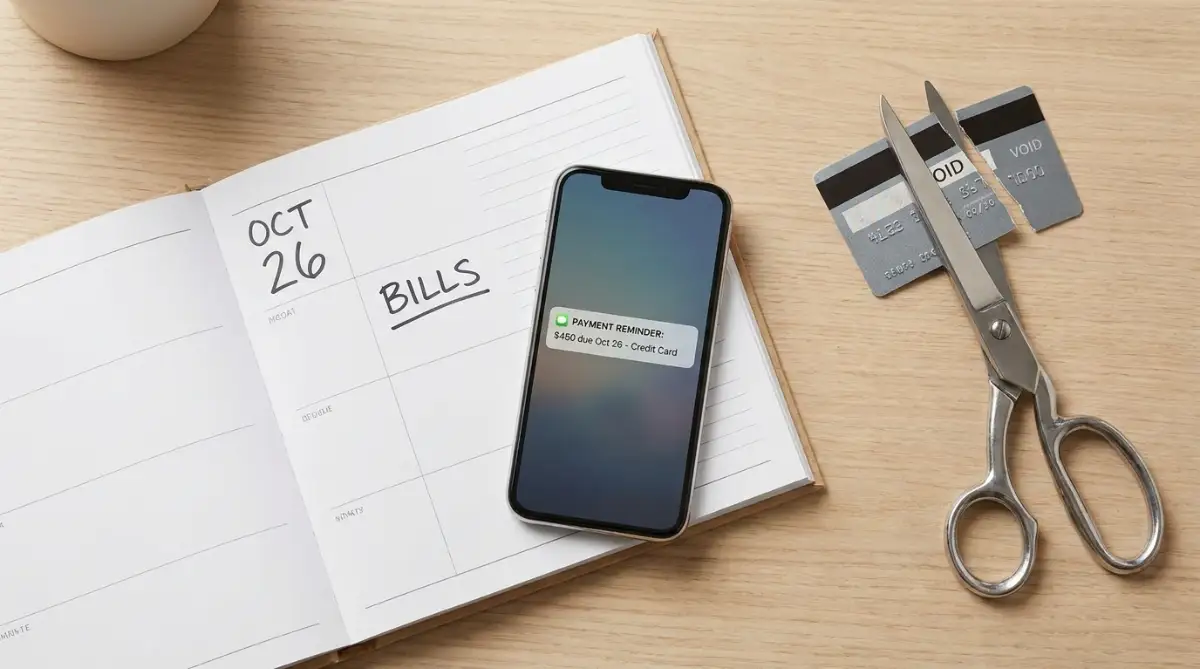
If you need to buy daily essentials, you must use a debit card or plain cash until this specific debt is completely erased. Changing your daily spending habits is deeply uncomfortable, but it is the only way to permanently fix the root cause of your money problems. The balance transfer only buys you time; your personal discipline is what actually solves the problem forever.
Next-Level Strategies to Stay Debt-Free Forever
Now that you understand the absolute basics of moving your money safely, we need to talk about long-term survival. Getting an amazing zero percent deal is only the very first step of your journey. If you do not change the underlying habits that got you into trouble, you will end up right back where you started.
The most successful people do not just move their debt around; they actively build a permanent financial shield. You need to start thinking like a professional money manager running a highly successful business. Every single dollar that comes into your bank account needs to have a specific job and a clear destination.
I highly recommend setting up a system called the "Cash Buffer" method immediately after your transfer is approved. This simply means aggressively saving one thousand dollars in a completely separate, hard-to-reach savings account. If your car breaks down or a medical emergency happens, you use this cash buffer instead of reaching for your new credit card.
Creating this safety net is incredibly important because life will always throw unexpected expenses at you when you least expect them. Without a cash buffer, you are completely forced to put emergency costs back onto plastic. This instantly ruins your careful debt payoff plan and puts you right back on the stressful hamster wheel.
Building a Bulletproof Digital Defense
Another massive part of keeping your finances healthy is protecting your digital banking environment. We manage almost all of our money through smartphone apps and internet browsers today. When you are constantly logging into bank accounts to check your new zero-balance status, you must ensure your connection is absolutely secure.
Never log into your sensitive credit card portals while sitting at a local coffee shop or airport. Hackers actively monitor these open internet connections to steal banking passwords from unsuspecting people. If you travel often, you should deeply understand how a virtual private network protects your online privacy before touching your bank apps.
A compromised bank account can completely delay your monthly payments and ruin your promotional period. Treat your financial data with the exact same extreme caution that you treat your physical wallet. Set up two-factor authentication on every single credit card app to create an extra, unbreakable wall of security.
The "Ghost Budget" Technique for Rapid Payoff
Once your money is safe, you need a strategy to pay off that new zero percent card aggressively. My absolute favorite strategy is called the "Ghost Budget" technique, and it works incredibly well for normal families. You simply continue living exactly as if you were still paying those massive monthly interest charges.
Let us say you used to send five hundred dollars to your old credit card, but two hundred of that was just pure interest. Now that your new interest rate is zero, the bank might only ask for a minimum payment of one hundred dollars. Your brain will immediately tell you to spend that extra four hundred dollars on fun dinners or new clothes.
You must completely ignore this dangerous temptation and continue sending the full five hundred dollars every single month. By sending your old, massive payment to the new zero-interest card, your principal balance will melt away incredibly fast. This is the exact secret trick that helps ordinary people become completely debt-free months ahead of schedule.

The Hidden Traps That Keep You Broke
Even with a perfect plan, human psychology is a very tricky thing to master. The financial industry is completely counting on you to make a mistake during this highly sensitive transition period. When people try to solve this problem, they usually fall into a few massive, life-altering traps.
The most common and destructive mistake is experiencing a false sense of security. When you open your old credit card app and suddenly see a beautiful zero balance, your brain releases a rush of happy chemicals. You suddenly feel incredibly rich, even though you still owe the exact same amount of money to a different bank.
This dangerous illusion causes people to start swiping their old, empty credit card for "small" everyday purchases. They convince themselves that buying one cup of coffee or a nice dinner will not hurt their budget. Within six months, they have completely maxed out the old card again, while still carrying the massive transferred debt on the new card.
Chasing Too Many Shiny Offers at Once
When people discover the magic of zero percent interest, they often get overly excited and make a terrible mistake. They start applying for three or four different credit cards on the exact same day. They think they can just chop their massive debt into tiny pieces and spread it across multiple banks.
Every single time you submit a formal application, the bank performs a "hard inquiry" on your permanent credit report. Having too many hard inquiries in a short amount of time sends a massive warning signal to every bank in the country. You instantly look desperate for cash, which makes banks incredibly afraid to lend you any money at all.
This aggressive behavior can easily drop your credit score by fifty points or more in a single afternoon. Instead of doing this, you should carefully research and apply for exactly one highly-rated card that fits your specific needs. According to the Consumer Financial Protection Bureau's guidelines on balance transfers, pacing your credit applications is absolutely essential for maintaining a healthy profile.
The Deferred Interest Time Bomb
There is another massive trap hidden in the retail credit card industry that you must completely avoid. Many popular store credit cards offer promotions that sound like a zero percent deal, but they use the phrase "deferred interest." This small change in wording is a legal loophole that can cost you thousands of dollars if you are not careful.
A true zero percent card does not charge you any interest during the promotional period whatsoever. However, a deferred interest card secretly calculates your interest every single day in the background. If you pay off the entire balance before the promotion ends, they kindly wave those hidden charges.
But if you leave even one single dollar on the account when the timer expires, the trap completely snaps shut. The bank will immediately go back in time and charge you every single penny of interest from the very first day. The Federal Trade Commission actively warns consumers about these deceptive practices, so always read the specific wording on your contract.
Quick Reality Check: True 0% APR vs. Deferred Interest
- True 0% APR Offer: If your 18-month promo ends and you still owe $200, you only pay standard interest on that remaining $200 moving forward.
- Deferred Interest Offer (Store Cards): If your 18-month promo ends and you owe just $1, the bank calculates and adds all the back-interest for the entire 18 months instantly to your bill.
Ignoring the Root Cause of Your Pain
Moving your debt is a brilliant mathematical move, but it is basically just putting a small bandage on a very deep wound. You have to sit down and have a very honest, uncomfortable conversation with yourself about why you went into debt. If your daily lifestyle costs more than your monthly paycheck, no amount of bank tricks will ever save you.
Start reading reliable personal finance books and spending time on modern tech and lifestyle platforms that promote healthy daily habits. Change your social environment by spending less time at expensive restaurants and more time enjoying free local parks. The absolute best financial strategy in the world is simply learning how to be genuinely happy with the things you already own.
Your Personal Blueprint for Financial Peace
Escaping the heavy chains of high-interest debt is not a magic trick; it is a very predictable, mathematical process. You now hold the exact knowledge required to beat the greedy banks at their own highly profitable game. You understand how to find the perfect card, how to bypass the secret fees, and how to protect your credit score.
Financial freedom is completely within your reach, but it requires extreme patience and unbreakable daily discipline. You need to protect your emotional energy during this journey, much like you would take careful steps to maximize your device's battery life for long-term performance. Do not burn yourself out by obsessing over the numbers every single hour of the day.
Simply set up your automatic payments, cut up your old plastic cards, and focus heavily on growing your career income. Celebrate the small, quiet victories along the way, like paying off the first thousand dollars of your principal balance. Every single dollar you pay down is a permanent brick laid on the foundation of your new, stress-free life.
The Action Plan for Tomorrow Morning
Do not just read this information and move on with your day; you need to take immediate, physical action. Tomorrow morning, grab a fresh piece of paper and write down the exact total of your current high-interest debt. Next to that scary number, write down the amount of interest you are throwing away every single month.
Once you see the actual math clearly written on paper, it will give you the emotional fire you need to start applying for a better deal. Use trusted credit comparison websites to find a reputable, zero-fee offer that matches your current credit score. Read the tiny fine print carefully, check the expiration date, and make your move with absolute confidence.
Questions People Often Ask About Moving Credit Card Debt
Will a zero-fee balance transfer completely ruin my credit score?
When you apply for a new card, your score might drop a few points temporarily due to the hard inquiry. However, because you are increasing your total available credit, your score usually bounces back and improves very quickly. Just make sure you never close the old, empty account after the move is finished.
Can I move my debt to a different card issued by my current bank?
No, almost every single major bank has strict rules preventing you from transferring balances between their own products. They want to steal new customers from their competitors, not help you avoid interest on money you already owe them. You will always need to find a completely different financial institution to get an approved offer.
What actually happens if I cannot pay it all off before the promotion ends?
If the promotional timer runs out and you still owe money, the bank will immediately apply their standard, high-interest rate to your remaining balance. You will not usually be charged interest retroactively on a standard zero percent card, but your new monthly payments will become much more expensive.
Is it a smart idea to move a personal loan onto a credit card?
You generally cannot move a traditional bank loan directly onto a credit card through a standard electronic transfer. Even if the bank offers a special check to deposit the funds, the fees associated with doing this usually erase the benefits. Balance transfers are specifically designed to move expensive revolving credit card debt, not fixed personal loans.
How many times am I allowed to move my credit card balance?
There is no legal limit to how many times you can move your money, but doing it constantly is called "balance surfing." Banks actively look for this behavior, and they will eventually stop approving your applications if you never actually pay down the principal. It is always better to aggressively clear the debt rather than just endlessly kicking the can down the road.
I know exactly how terrifying it feels to look at a mountain of debt, but I also know the incredible relief of finally breaking free. Start taking these small, calculated steps today, and I promise you will completely transform your financial future.
Disclaimer: The information provided in this article is for educational and informational purposes only and does not constitute professional financial or legal advice. Interest rates, fees, and credit card terms change frequently; always read the official terms and conditions from the issuing bank before applying for any financial product. Please consult with a certified financial planner or advisor regarding your specific financial situation.