The Hidden Danger Threatening Your Financial Peace of Mind
Imagine waking up on a completely normal morning, pouring yourself a cup of coffee, and checking your phone. You open your banking app just to check your balance, and your heart suddenly drops to your stomach.
Your account is completely drained. Even worse, you soon receive a notification that a brand-new credit card has been opened in your name. Someone you have never met is living a luxurious life across the country, spending your hard-earned money.
I will never forget the morning I checked my phone and saw a strange $500 charge at an electronics store three states away. My stomach tied in knots as I realized my identity had been stolen, and fixing the mess took me months of stressful phone calls. That painful experience is exactly why I am so passionate about helping you lock down your money before a hacker gets to it.
This is the harsh reality of identity theft. Every single day, hard-working people lose their savings because they simply do not know what is happening behind the scenes of their financial profiles.
They work for years to build a good financial standing, only to have a random hacker destroy it in five minutes. It is terrifying to realize that your personal information might already be floating around on the dark web.
Why People Fail to Protect Themselves and Fall for Bad Advice
Most people want to protect their money, but they simply do not know where to start. When they search for answers, they easily get lost in a sea of terrible advice.
Here is exactly why so many individuals struggle to find a real solution:
- Relying on free apps: Many people trust free budgeting apps to monitor their accounts. Sadly, these apps do not track hidden credit inquiries or identity theft attempts.
- Waiting for disaster to strike: A common mistake is believing that fraud will never happen to you. People only start looking for protection after their money is already stolen.
- Confusing financial terms: Terms like "hard inquiries," "bureau reporting," and "fraud alerts" sound like a foreign language. This confusion causes people to simply give up and do nothing.
- Ignoring small warning signs: Scammers often test stolen cards with a tiny one-dollar charge. Most people ignore these small charges, thinking it is just a bank error.
- Trusting the wrong sources: Desperate victims often pay fake recovery experts on social media to fix their stolen identity. These fake experts just steal whatever money the victim has left.
How Financial Insecurity Destroys Your Daily Life
The pain of financial fraud goes much deeper than just losing money. It attacks your everyday happiness and deeply affects your family life.
When your financial security is threatened, the mental toll is incredibly heavy:
- Constant daily anxiety: You might find yourself checking your bank app ten times a day out of pure fear. The constant worry makes it impossible to focus on your job.
- Loss of deep trust: After someone steals your identity, you start doubting everything. You feel scared to buy anything online or share your email with anyone.
- Embarrassing rejections: Imagine standing at a car dealership with your family, ready to buy a new vehicle. You get denied in front of everyone because a scammer ruined your credit score.
- Family tension and arguments: Financial stress is a major cause of arguments at home. The pressure of fixing a stolen identity can quickly turn peaceful evenings into stressful fights.
- A deep feeling of helplessness: Fighting with massive banking institutions to prove you did not make those purchases makes you feel incredibly small and powerless.
How to Shield Your Finances: Practical Steps to Stop Fraud in Its Tracks
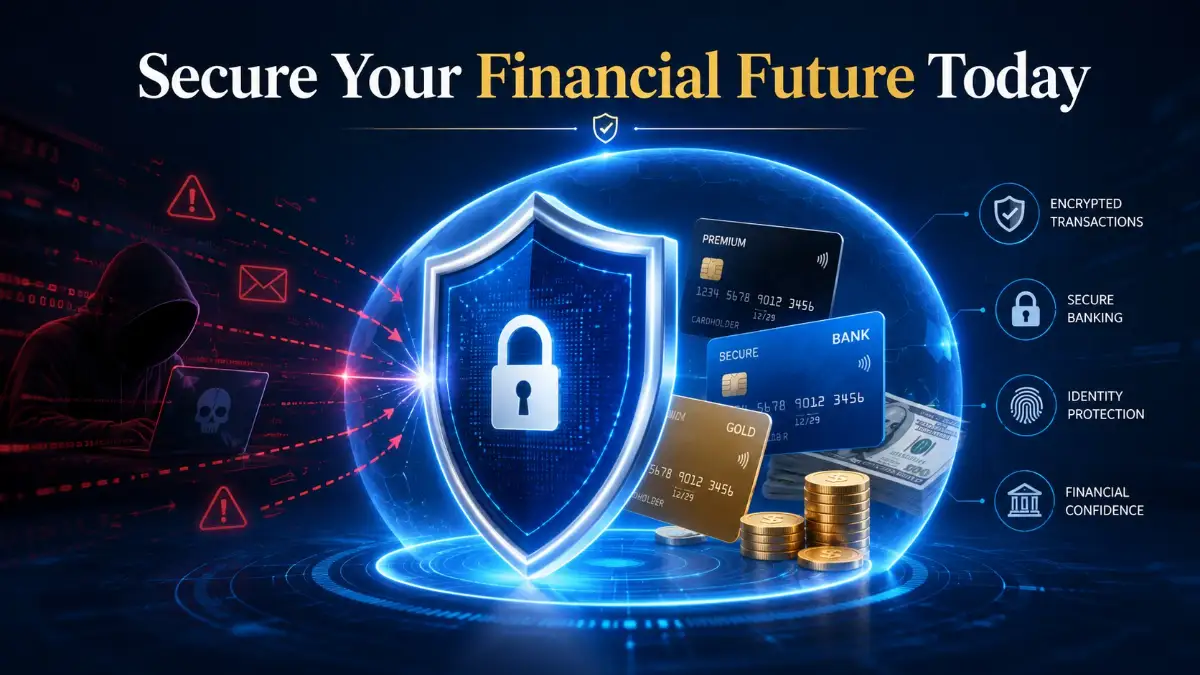
You do not have to live in fear of hackers and scammers. There is a very specific, logical way to protect everything you have built. By setting up a proper defense system, you can sleep peacefully at night knowing your money is safe. Think of your financial profile like a large house with many doors and windows.
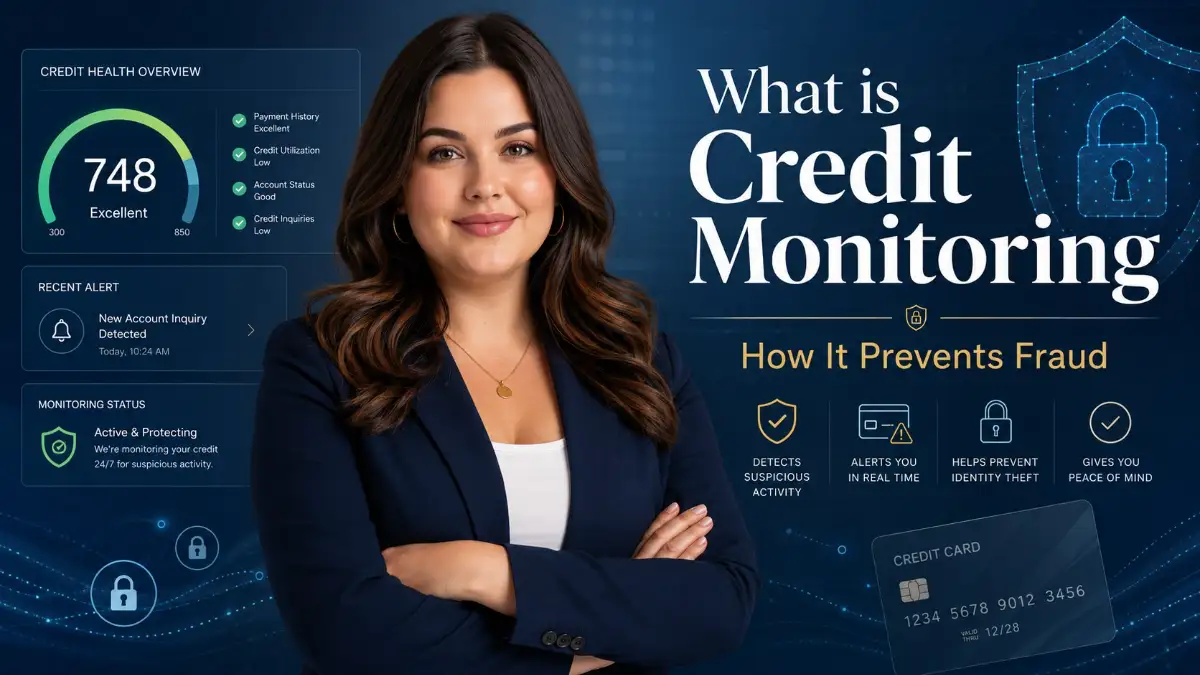
If you leave the doors wide open, anyone can walk in and take your belongings. Credit monitoring acts as a high-tech security camera and alarm system for your financial house.
Let me walk you through the most effective, proven steps to lock down your financial life today.
Step 1: Set Up Real-Time Alerts for Complete Visibility
The absolute best way to stop a thief is to catch them the second they try to break in. Real-time alerts are the foundation of good credit monitoring.
Whenever an action happens on your financial profile, your monitoring service instantly sends a ping to your phone or email. This is incredibly powerful because time is your biggest enemy when dealing with fraud. If you catch a fake account opening within ten minutes, you can shut it down instantly. If you find out three months later, the damage is already done, and fixing it will take hundreds of hours of phone calls.
How to Take Action Today:
Start by contacting your current bank or credit card provider. Ask them to turn on immediate text notifications for every single transaction over one dollar.
Next, you need to sign up for a dedicated monitoring service that watches the three major reporting bureaus. These bureaus hold all the data about your loans, mortgages, and credit cards.
A good service will actively scan these databases 24 hours a day. When they spot a "hard inquiry," they will notify you right away.
The Science Behind Real-Time Tracking:
A hard inquiry happens when a lender formally checks your history because someone applied for new money in your name. From a logical standpoint, scammers move fast.
They buy large batches of stolen information on the dark web and run automated software to apply for hundreds of loans at once. By having instant alerts on your phone, you disrupt their automated process.
For example, imagine you are sitting on your couch watching a movie. Suddenly, your phone buzzes. The alert says, "New application for a personal loan in Texas." You live in New York and haven't applied for a loan in years.
Because you got the alert right away, you can press a single button to decline the application. You just stopped a massive financial disaster from the comfort of your living room.
Keep a Close Eye on Your Digital Footprint
Your digital footprint is basically the trail of data you leave behind on the internet. Monitoring services do not just watch your bank accounts anymore.
The best tools actively scan the dark web for your email address, your passwords, and your social security number. If your data pops up in a massive company data breach, you will be the first to know. You can then quickly change your passwords before the hackers even have a chance to log in to your accounts. This proactive approach puts you completely in control of your digital safety.
Step 2: Review Your Full Reports for Hidden Red Flags
While instant alerts are amazing for catching new threats, they do not show you the mistakes of the past. To get a complete picture of your financial health, you need to review your full reports deeply.
Many people are terrified to look at their official reports. They think checking their own data will somehow lower their score.
This is a complete myth. Checking your own information is called a "soft inquiry," and it never hurts your standing. You should pull your full file from the main reporting agencies at least three times a year. Read it like a detective looking for clues at a crime scene.
How to Take Action Today:
Sit down with a cup of tea and a notebook. Download your official documents from all three major bureaus. Do not just glance at the final number. You need to read every single line on those pages.
Look carefully at the personal information section first. Are there strange addresses listed where you have never lived? Scammers often change your official address so that warning letters go to their house instead of yours. Next, look at the list of open accounts.
Spotting the Subtle Signs of Identity Theft:
If you see a retail store credit card that you do not remember opening, write it down immediately. Sometimes, thieves open small accounts just to test the waters before going for a massive loan.
You might also notice loans that you paid off years ago still showing as active. While this might just be a lazy bank error, it could also mean someone reopened the account.
Let us look at a real-life scenario to understand why this matters so much. Meet David, a careful planner who wanted to buy a home for his growing family. He always paid his bills on time. However, when the mortgage lender checked his file, they found three unpaid phone bills from a city David had never visited.
Because David never checked his detailed reports, a scammer had been using his name to buy expensive cell phones for two years. David had to delay buying his dream home by an entire year just to clear up the mess.
The Power of Pattern Recognition
From a scientific perspective, stopping fraud relies heavily on pattern recognition. Large monitoring companies use advanced algorithms to spot behavior that breaks your normal patterns.
If you usually spend your money on groceries and gas in your local town, a sudden charge for luxury jewelry in another country is a huge red flag. By reviewing your documents regularly, you train yourself to spot these weird patterns too.
You become your own best defense mechanism. You know your spending habits better than any computer program ever could.
Step 3: Activate Fraud Alerts and Complete Information Freezes
If you want the strongest possible armor for your financial life, you need to understand how to lock your data completely. Step one and step two are about watching and reacting.
Step three is about building an unbreakable brick wall around your information. You have two main tools here: the fraud alert and the security freeze.
Many people confuse these two things, but they serve completely different purposes. Understanding how to use them correctly is the ultimate secret to extreme financial safety.
How to Take Action Today:
If you even slightly suspect that someone has your information, you should place a fraud alert immediately. You only need to contact one of the main bureaus to do this.
By law, that bureau must tell the other two to place the alert as well. This alert stays active for a full year and costs absolutely nothing.
My biggest mistake early on was thinking a simple fraud alert was enough to keep my money safe. I quickly realized that taking five extra minutes to do a full security freeze is the only way to completely shut the door on scammers. Trust me, freezing your files gives you a level of comfort you just cannot get from a basic alert.
When an alert is active, lenders are legally required to take extra steps to verify your identity before handing out any money. They might have to call your personal cell phone and speak to you directly.
The Ultimate Protection: The Security Freeze:
If you are feeling a bit confused about how to actually freeze your files, watch this short video below to see exactly how easy the process is before you continue reading.
For the highest level of security, you should implement a full security freeze. Think of a freeze as placing a massive heavy padlock on your financial vault. When your file is frozen, literally no one can view it. If a scammer applies for a loan in your name, the bank will try to check your history.
The bureau will reply, "This file is frozen and cannot be accessed." The bank will instantly deny the loan application. The scammer gets nothing, and your money stays perfectly safe. The best part is that a freeze is completely free to place and remove.
A Logical Approach to Daily Use:
You might wonder, "If I freeze my file, how do I apply for things myself?" The process is actually incredibly simple and logical. When you want to buy a new car or apply for an apartment, you simply log into your monitoring app. You click a button to "thaw" or unfreeze your file for a specific number of days.
You complete your application normally. Once the time is up, the system automatically locks the vault back up.
Let us say your friend Lisa is traveling overseas for a month. She does not plan on applying for any new loans while she is on vacation. She places a freeze on her profile before she gets on the airplane. Even if a hacker steals her wallet in another country, they cannot open any new accounts.
Lisa enjoys her vacation with zero stress, knowing her financial house back home is heavily guarded. This simple action completely removes the fear of unknown threats.
Taking Your Security to the Next Level: Pro-Level Defense Tactics
Once you have set up basic alerts and frozen your data files, you have successfully blocked out the majority of everyday scammers. However, highly skilled hackers often use advanced methods to bypass basic security measures.
To completely lock down your financial future, you need to understand how the experts protect themselves. Let us explore some powerful, lesser-known strategies that will give you absolute peace of mind.
If you are serious about protecting your wealth, understanding exactly how monitoring services track suspicious activity is highly recommended. These advanced systems are designed to catch things that the human eye simply cannot see.
For instance, they can detect when your personal details are being traded on illegal online marketplaces. By using these pro-level tools, you stay three steps ahead of the criminals.
If a breach actually happens, knowing the official government procedures for reporting identity theft will save you countless hours of stress. You will immediately know who to call and exactly what legal rights you have as a victim.
Let me break down these advanced strategies so you can easily apply them to your daily life.
Explore Deep Web Scanning Technologies
Many people believe that their information is only stolen when they lose their physical wallet. In reality, most data theft happens in invisible, underground online markets often called the dark web.
When major retail stores or hospitals get hacked, criminals steal millions of customer records at once. They then sell these huge lists of names, emails, and passwords to other scammers for pennies.
You need a monitoring service that actively scans these hidden corners of the internet. A basic tracker only watches your bank, but an advanced scanner searches illegal forums for your specific email address.
How This Looks in Real Life:
Imagine you used your favorite email address to buy a pair of shoes from a small online store. A month later, that small store gets hacked by cybercriminals.
Your email and the password you used are now floating around in a massive hacker database. If you use an advanced scanning tool, you get an immediate alert saying your data was exposed.
You can then quickly change your passwords before the scammers even have a time to test them. This proactive approach completely neutralizes the threat before it ever touches your money.
Secure Your Banking History with ChexSystems
Most individuals only focus on their main lending reports when they think about financial safety. They completely forget about a massive hidden database called ChexSystems.
ChexSystems is basically a reporting agency strictly for checking and savings accounts. If a scammer gets a hold of your social security number, they might not try to get a credit card.
Instead, they might walk into a completely different bank and open a normal checking account in your name. They then write thousands of dollars in fake bad checks, leaving you to take the blame.
Taking Immediate Control:
When those bad checks bounce, the bank reports your name to ChexSystems as a high-risk fraudster. The next time you try to open a simple savings account for your child, your local bank will deny you.
Just like your main lending files, you can actually request a security freeze on your ChexSystems file too. This completely stops scammers from opening fake bank accounts under your identity.
This simple step takes about ten minutes on their official website and costs you absolutely nothing. It is one of the most effective, hidden secrets in the world of personal financial defense.
Invest in Complete Identity Restoration Insurance
Sometimes, despite your absolute best efforts, a highly sophisticated criminal still manages to break through. When this happens, cleaning up the mess can feel like a full-time job.
You have to spend hours on the phone with angry collection agencies, file police reports, and write legal letters. This is exactly why top-tier monitoring services now include full identity restoration insurance.
If your identity is stolen, the company assigns a dedicated legal case worker to fix everything for you. This professional takes over the phone calls, handles the paperwork, and fights the banks on your behalf.
This saves you from incredible emotional burnout and ensures you never have to pay for a scammer's shopping spree. If you ever find yourself dealing with the aftermath of a stolen identity, learning how to fix a damaged credit score without falling for scams becomes incredibly important.
The Most Dangerous Traps: 5 Mistakes That Will Cost You Dearly
Even with the best tools available, human error is always the biggest risk factor. Many smart, hardworking people accidentally destroy their own security by falling for simple everyday traps.
Scammers actually rely on these common mistakes to make their illegal jobs easier. By knowing exactly what these traps look like, you can easily side-step them and keep your family secure.
Let us carefully review the five biggest blunders people make and how you can avoid them starting today.
1. Ignoring Small Collection Letters in the Mail
We all get junk mail, and it is very tempting to just throw away letters from companies we do not recognize. However, ignoring a physical collection letter is a massive mistake.
Scammers often open small utility accounts, like a cheap phone plan or internet service, using your name in another state. Because these bills go unpaid, the service eventually sends a debt collection letter to your real home address.
The Hidden Consequence:
If you throw that letter in the trash thinking it is just a simple printing error, the collection agency will legally report you as a defaulter. This will instantly crush your financial standing.
Always open official-looking mail, even if you do not recognize the company name. If a random agency claims you owe them money, call them immediately and demand proof of the original debt.
2. Reusing the Same Password Everywhere
This is by far the most common digital mistake happening right now. You probably have a favorite password that you use for your social media, your email, and your bank.
While this makes logging in super easy, it gives criminals a golden master key to your entire life. If a tiny online forum you visit gets hacked, the hackers now have your favorite password.
The Immediate Danger:
They will immediately run automated computer scripts to test that same password on thousands of banking websites. Within seconds, they unlock your primary checking account.
You must use a completely unique, highly complex password for every single financial account you own. Consider using a trusted password manager app to remember these complex codes for you securely.
3. Paying Off Unknown Balances Just to Hide the Problem
When people see a random charge of fifty dollars on their statement, they often just pay it to avoid dealing with customer service. They think, "It is only fifty dollars, I will just pay it and move on with my life."
This behavior is incredibly dangerous. When you pay a fraudulent charge, you are legally admitting that the account belongs to you.
Why This Trap is So Harmful:
Once you pay that small amount, the scammer knows you are not paying close attention to your statements. The very next month, they will charge five thousand dollars to that same account.
If you are struggling to manage overwhelming debts that are actually yours, you need a solid plan for saying goodbye to credit card balances naturally. However, if you see a debt that you absolutely did not make, never pay a single penny towards it. Dispute it aggressively with the issuing bank.
4. Believing You Are Not a Target
There is a huge misconception that hackers only target wealthy millionaires or large massive corporations. The truth is quite the opposite.
Scammers actually prefer targeting average, hard-working people because they usually have fewer security measures in place. They love targeting college students who have completely clean financial histories.
They also actively target the elderly, assuming they are less likely to check their digital apps regularly. Every single person with a social security number is a highly profitable target on the dark web. Never assume you are safe just because you do not have millions in the bank. Taking basic preventative measures is an absolute requirement for everyone today.
5. Leaving Sensitive Paperwork Lying Around
We talk so much about digital hackers that we often forget about physical thieves. Leaving your tax returns, bank statements, or medical bills sitting on your kitchen table is a terrible habit.
Burglars do not just look for jewelry and electronics anymore. A single piece of paper with your social security number on it is worth far more to a smart thief than a television.
How to Fix Your Home Security:
You should invest in a heavy-duty paper shredder and destroy any document containing your personal details before throwing it away. For the documents you must keep, lock them inside a fireproof safe.
Taking the time to build a smart system for organizing your financial documents safely will dramatically reduce your physical risks. If a thief breaks into your home, they should never be able to find your sensitive paperwork.
Reclaim Your Financial Confidence and Sleep Peacefully Tonight
Protecting your personal information does not have to feel like an overwhelming, impossible task. You do not need a degree in computer science to keep your hard-earned money completely safe from online predators.
By actively monitoring your accounts and understanding exactly how scammers operate, you take back all the power. You are no longer a helpless target waiting for something bad to happen.
Instead, you have built a strong, unbreakable digital wall around your family's future. Setting up real-time alerts and placing security freezes only takes a few minutes of your time. Those few minutes will literally save you from years of extreme anxiety and financial ruin. Every single step you take today is a powerful investment in your future peace of mind.
Imagine waking up tomorrow morning, checking your phone, and feeling completely relaxed. You know that if anyone tries to touch your money, your monitoring system will instantly stop them in their tracks.
Do not wait for a hacker to force you into action. Take control of your financial security today, lock down your sensitive data, and enjoy the beautiful feeling of total safety.
Looking back, taking control of my digital security was one of the smartest things I ever did for my family's peace of mind. You do not have to live in fear of losing your hard-earned savings to a random scammer. Take ten minutes today to set up your protection, and you will sleep so much better tonight knowing your financial house is heavily guarded.
Disclaimer: The information shared in this article is based on personal experience and is intended for general educational purposes only. It does not replace professional financial or legal advice. Always consult with a certified financial expert or your banking institution before making major decisions about your credit security and identity protection.