
The Hidden Struggle Behind Your Stubborn Skin Problems
For years, I washed my face twice a day with expensive foaming cleansers, only to wake up with painful bumps and dull skin. I felt so embarrassed going out without heavy makeup and kept buying random products that never actually worked. It was only when I realized my regular face wash wasn't taking off my daily sunscreen that my skin journey finally turned around.
You wash your face every single morning and night. You buy the expensive foaming gels, scrub your skin, and try everything to keep your face clean. Yet, you still wake up with mysterious breakouts, tiny bumps on your forehead, and dull, tired-looking skin. This is the frustrating reality for thousands of people who think they are doing everything right.
The truth is, standard washing just does not cut it anymore. We slather our faces with heavy layers of waterproof sunscreen, long-lasting foundation, and setting sprays every day. Then we step outside into heavily polluted air. Trying to wash all of that off with a basic facial wash is like trying to wash a greasy frying pan with just cold water. The grease simply moves around, burying itself deeper into your pores.
This creates a highly damaging cycle. You think your skin is clean, but an invisible layer of grime is quietly suffocating your pores overnight. Let's look at why so many people fail to find the right solution and suffer needlessly from bad advice:
- Trusting harsh physical scrubs: Many people believe that scrubbing harder will remove dirt. This actually tears the delicate skin barrier, causing more redness and irritation.
- Believing the "oil causes acne" myth: Misinformation tells us to avoid all oils. In reality, the right kind of oil is exactly what you need to dissolve hardened blackheads and trapped sebum.
- Relying on makeup wipes: Wipes only smear makeup and dirt across your face while leaving behind a sticky film of preservatives that severely clog pores.
- Over-washing out of panic: When breakouts happen, people often wash their face three or four times a day. This strips the skin completely dry, forcing it to produce even more oil to compensate.
Living with these constant, unexplained skin issues takes a heavy emotional toll. It is not just about vanity; it is about how you feel when you look in the mirror.
Consider how this daily struggle destroys your peace of mind:
- Anxiety in social settings: You might constantly wonder if people are staring at the texture on your cheeks instead of listening to what you are saying.
- Loss of morning confidence: Starting your day by heavily concealing fresh breakouts drains your energy before you even leave the house.
- Financial frustration: Spending large amounts of money on "miracle" serums that do absolutely nothing because they cannot even penetrate your clogged pores.
- The feeling of helplessness: Following all the rules of basic hygiene and still getting punished with bad skin makes you feel like your own body is fighting against you.
You deserve to feel comfortable and confident in your own bare skin. The good news is that the solution does not require expensive clinical treatments.
You just need to change the fundamental way you clean your skin.
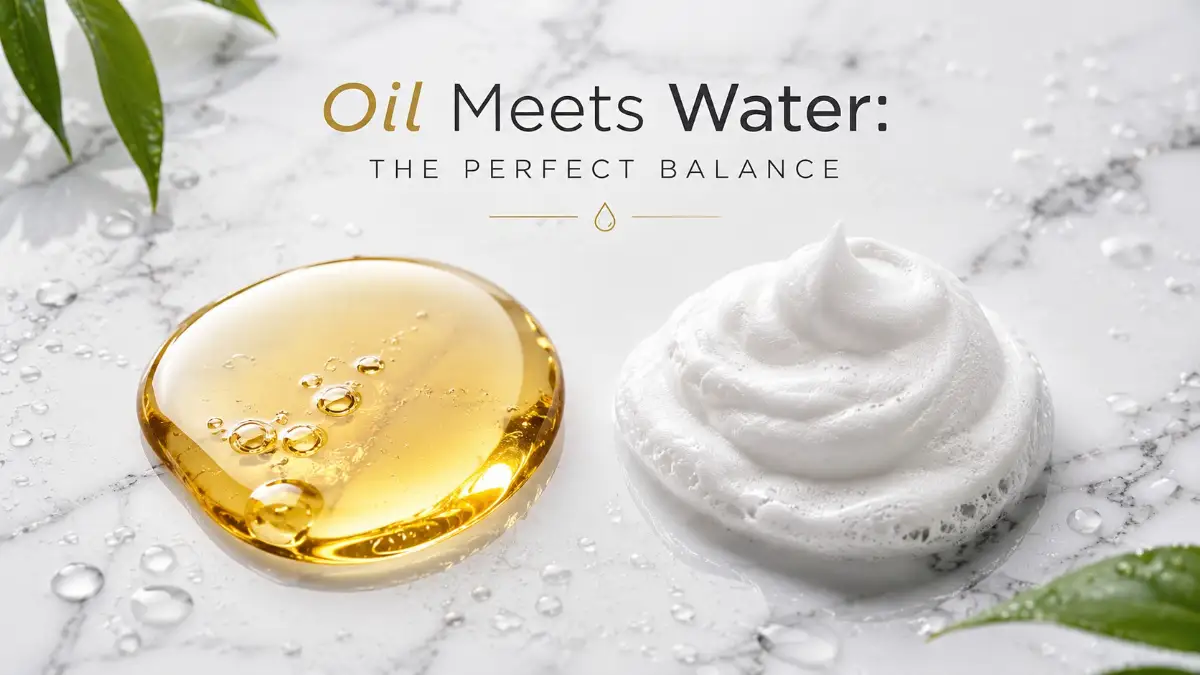
How the Two-Step Cleansing Strategy Transforms Your Skin
If you want to completely stop the cycle of clogged pores, you need to understand the science of cleaning. This brings us to the core concept of the double cleansing method.
It is exactly what it sounds like: washing your face twice. But you do not just use the same product two times in a row.
Instead, you use two very different types of cleansers to target two entirely different types of dirt. Let us break down the exact steps so you can start seeing results tonight.
Melting Away Stubborn Impurities (The Oil Cleanse)
Want to see how an oil cleanser actually breaks down stubborn makeup and sunscreen in real-time? Watch this quick video demo below to master the technique, then keep reading to learn the water-cleansing step!
The first step of this method involves using an oil-based cleanser or a solid cleansing balm. I know what you might be thinking. If you already have oily or acne-prone skin, putting more oil on your face sounds like a terrible idea. But science tells us a completely different story. A basic rule of chemistry is that "like dissolves like." Water cannot dissolve oil.
Think about what sits on your face at the end of the day. You have natural sebum (your skin's natural oil), heavy layers of sunscreen, waterproof makeup, and environmental smog. All of these impurities are oil-based. If you splash a water-based foaming gel onto these elements, the gel just bounces right off the oily barrier.
This is why an oil cleanser is your best friend. When you massage a cleansing oil onto your dry face, it physically binds to the oily dirt trapped in your pores.
How to execute this step properly:
Always start with completely dry hands and a dry face. If your hands are wet, the water will block the oil from doing its job. Take a small amount of the cleansing balm or oil and gently rub it between your fingers. Then, massage it directly onto your dirty skin.
Do this for about 60 seconds. You want to use extremely gentle, circular motions around your nose, forehead, and chin. As you massage, the good oil on your hands starts to melt the bad oils hardened inside your pores. Imagine pouring warm water over an ice cube.
The hard, stuck debris literally begins to soften and melt away. You will actually feel your heavy sunscreen and foundation breaking apart under your fingertips.
The emulsion trick:
Once you have massaged the oil for a minute, do not just wipe it off. Wet your fingertips with a little bit of lukewarm water and massage your face again. You will notice the clear oil suddenly turns milky white. This is called emulsification.
Here is a huge mistake I used to make: I tried rinsing off the oil cleanser with cold water right away and ended up with a greasy mess. My skin completely transformed when I started wetting my hands with warm water to turn the oil milky white first. Trust me, never skip this simple emulsifying step if you want clean pores without breakouts!
This chemical reaction allows the oil—and all the trapped dirt it grabbed—to finally mix with water. Now, you can easily rinse it all away without leaving any greasy residue behind.
Washing Away Deep Pore Residue (The Water Cleanse)
Now that the heavy, oily barrier has been removed, your skin is fully exposed. Your pores are finally open and ready to be deeply cleaned. This is where your second cleanser comes in. You will use a traditional water-based cleanser, like a gentle foam, gel, or cream wash.
Why do we need this second step? Because oil cleansers are meant to remove oil-based dirt. However, your face also collects water-based impurities throughout the day. Things like old sweat, microscopic bacteria, and dead skin cells need to be washed away too.
An easy way to picture this:
Imagine you dropped a jar of honey and a bag of flour on your kitchen floor. If you just grab a wet mop, you will create a sticky, horrible mess. You first need to sweep up the heavy, dry flour (Step 1). Only after the floor is clear of the heavy debris can you actually mop it to make it shine (Step 2).
Your face works the exact same way. The second wash acts as the mop, sweeping through your freshly opened pores to remove sweat and dead skin.
How to get the most out of your second wash:
Take a small dime-sized amount of your water-based cleanser. Lather it up in your wet hands until it creates a nice foam. Apply it to your wet face and gently massage it around. Since the heavy makeup is already gone, this cleanser can actually touch your real skin.
This means if your second cleanser has special ingredients—like salicylic acid for breakouts or hyaluronic acid for hydration—those ingredients can actually work. Spend another 45 to 60 seconds massaging this in. Then, rinse your face thoroughly with cool or lukewarm water.
Perfecting Your Daily Washing Technique
Knowing what products to use is only half the battle. The way you apply them to your skin is what truly determines your success.
Many people aggressively scrub their faces with towels or use scalding hot water. These bad habits will completely ruin the benefits of your new routine.
Your skin is an incredibly delicate organ. If you treat it aggressively, it will fight back by producing more oil and causing more breakouts.
Mastering water temperature:
Never use hot water on your face. Hot water strips away your skin's natural moisture barrier, leaving it tight, dry, and vulnerable to bacteria.
On the other hand, freezing cold water shocks the skin and causes your pores to close up tightly. This traps the dirt inside before you even have a chance to clean it.
The perfect temperature is lukewarm water. It keeps the pores relaxed and comfortable, allowing the cleansers to glide in and out effortlessly.
The magic of timing:
Most people wash their face for about ten seconds. That is barely enough time to spread the soap around, let alone clean a pore. You need to give the active ingredients in your cleansers time to work. Try the "60-second rule" for both your oil wash and your water wash.
Count slowly to sixty while moving your fingers in upward, circular motions. This light massage also increases blood circulation to your face, giving you a natural, healthy glow.
Drying your face safely:
When you are completely finished washing, do not grab the same hand towel that has been hanging in your bathroom for a week. Damp bathroom towels are a massive breeding ground for acne-causing bacteria.
Instead, dedicate a stack of clean, soft microfiber face cloths just for your skin. Gently pat your face dry. Never rub or drag the towel downwards across your cheeks. Patting absorbs the water gently without pulling on your skin or causing premature wrinkles.
If you follow these precise steps every single evening, you will notice a massive difference. Your skin will feel deeply breathable, soft to the touch, and completely free of that tight, dry feeling. More importantly, your nighttime serums and moisturizers will finally be able to sink deeply into your fresh, clean pores. You are setting up a perfect foundation for long-term skin health.
Expert Strategies for Long-Term Skin Health
Now that you understand the core mechanics of this two-step routine, it is time to personalize it. Every person has a completely different skin profile, and treating it like a one-size-fits-all situation is a big mistake.
To get the absolute best results, you need to match your first cleanser to your unique skin type. According to experts at the American Academy of Dermatology, selecting the right gentle cleanser is the foundation of maintaining a healthy, functional moisture barrier.
If you have extremely dry or flaky skin, look for thick, luxurious cleansing balms. These are usually formulated with rich ingredients like shea butter, oat oil, or jojoba oil. These heavy balms melt away stubborn makeup while leaving a soft, hydrating blanket over your dry patches.
On the other hand, if you struggle with painful, cystic acne, you might feel terrified to use a thick balm. This fear is completely normal, but you can safely rely on lightweight, liquid cleansing oils. Medical resources like Healthline explain how double cleansing actually helps acne-prone individuals safely clear out excess sebum without causing painful irritation.
The beauty of this method is its ultimate flexibility. You do not have to follow rigid, stressful rules; you simply need to listen to what your face is telling you every morning. Rebuilding a damaged skin barrier takes patience, gentleness, and consistent effort over several months.
In many ways, repairing years of aggressive skin damage is a lot like fixing poor financial habits. It requires a solid, patient strategy, much like learning how to fix a damaged credit score without falling for scams. You must completely stop doing the bad habits before the good habits can finally take effect.
Adjusting Your Routine for Your Daily Lifestyle
A major secret among skincare experts is knowing exactly when to adjust your washing routine based on your daily activities. You absolutely do not need to do an intense two-step wash every single morning and night.
Doing this heavy process in the morning is usually entirely unnecessary and can strip your skin. When you wake up, your face only has a tiny bit of natural sweat and leftover night cream on it. A simple splash of cool water or a very mild gel wash is all you need to start your day fresh.
Save the heavy cleaning for your nighttime routine when your pores are actually suffocating. Imagine a busy nurse working a twelve-hour shift in a dry hospital environment, wearing a tight mask all day. Her skin is trapping sweat, dead skin cells, and microscopic bacteria under that mask for hours on end.
When she gets home exhausted, a quick swipe with a basic makeup wipe will do absolutely nothing to clear those clogged pores. She desperately needs the full oil and water method to break down the grime and let her skin breathe properly again.
Now, compare her to someone who works from home, never steps outside, and never wears a drop of makeup. Does the work-from-home person still need an oil cleanser at night? Yes, absolutely.
Even while sitting inside your house, you should be wearing daily sunscreen to block harmful UV rays coming through your windows. Sunscreen is chemically designed to be waterproof and highly resistant to normal soap. If you let it build up day after day, it becomes a massive burden on your delicate pores.
The Cost of Ignoring Daily Buildup
Ignoring this invisible daily buildup creates a compounding problem over time. Your pores stretch out, blackheads multiply, and your skin texture becomes incredibly rough and bumpy.
It is exactly like ignoring small, daily expenses that eventually force you to say goodbye to credit card balances using a strict, stressful recovery plan. Catching the buildup early stops the massive, painful breakouts before they even have a chance to form.
When you neglect your pores, you also waste a massive amount of money on your other skincare products. If your pores are blocked with a layer of waterproof sunscreen, your expensive vitamin C serums cannot penetrate the skin. They just sit on top of the grime and eventually wipe off onto your pillowcase.
Many people spend hundreds of dollars visiting dermatologists to fix issues that stem from basic bad hygiene. This frustration is very similar to fighting with financial institutions over bad loan terms. It takes careful negotiation and deep knowledge, similar to figuring out how to force your bank to lower your personal loan rates.
The Secret to Consistent, Glowing Results
To maintain your new, clear complexion, you have to be highly consistent with your chosen products. Constantly switching between five different cleansers every single week will shock your skin and trigger angry breakouts.
Find a basic, affordable oil cleanser and a simple water-based foam that do not cause any redness or stinging. Stick with this exact pair for at least four to six weeks. Your skin operates on a 28-day renewal cycle, so it needs time to naturally adjust to any new routine.
Think of your nightly skincare routine as a strong, protective shield against the harsh outside world. Protecting your delicate facial barrier from daily environmental damage is just as important as securing your private digital information. It perfectly mirrors the hidden dangers of cloud storage and how end-to-end encryption saves you from external threats.

The Biggest Washing Traps You Must Avoid Tonight
Even with the best intentions, people often ruin their skin by making a few invisible mistakes at the bathroom sink. You might be using the highest quality products in the world, but applying them incorrectly will cause instant breakouts.
Let us look closely at the most dangerous traps people fall into when trying this new routine. Avoiding these specific errors will save you from painful cystic acne, severe dryness, and massive frustration.
1. Skipping the Emulsification Step Completely
This is by far the biggest error beginners make when using an oil cleanser for the first time. They rub the heavy oil on their face and then immediately try to splash it all off with freezing cold water.
Because oil and water naturally repel each other, the dirty, makeup-filled oil simply stays stuck to your face. You must add a few drops of lukewarm water to your hands and massage your face until the oil turns milky white. This specific milky texture is what allows the dirt to finally detach from your skin and wash down the drain.
2. Using Harsh Active Ingredients in Both Steps
People who struggle with severe acne often panic and try to attack their pimples from every angle. They buy an oil wash with strong salicylic acid, followed immediately by a water wash containing benzoyl peroxide.
Mixing these aggressive chemicals together will completely burn your natural skin barrier within a few days. Cleansers are primarily meant to clean your face gently, not cure every skin disease all at once. Keep your cleansing steps deeply hydrating, and save your strong active ingredients for your leave-on serums later.
3. Relying on Coconut Oil from the Kitchen Pantry
Many random DIY beauty blogs claim that you can just use raw coconut oil or heavy olive oil from your kitchen. This is a genuinely terrible idea for anyone who is prone to clogged pores and blackheads.
Food-grade oils are highly comedogenic, meaning their molecules are too large and will physically plug your pores tight. Cosmetic cleansing oils are specifically formulated in professional labs to rinse off completely clean without leaving a heavy, sticky film behind.
4. Scrubbing Aggressively with a Rough Washcloth
After taking off their stubborn makeup, some people love the squeaky clean feeling they get from rubbing a dry towel over their face. Never do this under any circumstances.
That tight, squeaky feeling actually means you have stripped away your skin's natural, protective moisture layer. Over time, this intense physical friction creates microscopic tears in your skin, leading to premature wrinkles and dark sun spots. Always pat your face extremely gently with a clean, soft microfiber cloth.
5. Rushing the Process When You Are Exhausted
We all have those tough nights where we come home completely exhausted and just want to fall directly into bed. Spending two extra minutes standing at the bathroom sink feels like an impossible, frustrating chore.
However, going to sleep with city pollution, sticky sweat, and chemical sunscreen on your face ages your skin rapidly. The bacteria feed on the trapped oil overnight, basically guaranteeing a fresh, painful pimple by morning. Take those simple sixty seconds to care for yourself, no matter how tired you feel.
Your Roadmap to a Consistently Glowing Complexion
Taking full control of your daily washing habits is the absolute best way to guarantee a healthy, glowing face. You do not need a massive financial budget or a highly complicated ten-step routine to see beautiful, lasting results.
By simply separating your nightly washing routine into two targeted steps, you are working much smarter, not harder. You are allowing the right oil-based ingredients to safely melt away heavy grime. Then, you follow up with a gentle water-based sweep to remove the daily sweat and invisible bacteria.
Think about how amazing it will truly feel to wake up, look in the mirror, and see calm, clear skin. You will no longer have to spend twenty minutes every morning aggressively blending thick concealer over angry red bumps.
Instead, your morning routine becomes incredibly simple, fast, and completely stress-free. Your favorite daily moisturizers will glide on beautifully, and your natural confidence will immediately shine through to everyone you meet.
What You Should Expect Over the Next Few Weeks
If you start this specific routine tonight, you will notice an immediate difference in how your skin feels. Right after drying your face, your cheeks will feel deeply breathable, incredibly soft to the touch, and highly refreshed.
By the end of week one, those tiny, annoying bumps on your forehead and chin will start to slowly flatten out. Your skin might purge slightly, which just means the deeply trapped dirt is finally pushing its way out naturally.
By week four, you will likely see a massive reduction in new breakouts and a much brighter overall skin tone. Your dark pores will look significantly smaller because they are no longer stretched out by hard, trapped sebum.
Your Simple Action Plan for Tonight
Tonight, before you go to bed, take a very close look at the skincare products sitting on your bathroom counter. Do you have a dedicated product to remove heavy oils, and another separate wash for a gentle final cleanse?
If not, it is absolutely time to upgrade your daily approach to personal care. Start with completely dry hands and a dry face, and give yourself a highly relaxing sixty-second facial massage. Feel the heavy tension of your stressful day melting away right along with your stubborn makeup.
Rinse the oil off carefully, follow up with your gentle foam cleanser, and pat your face softly dry. It is a very small daily commitment that delivers massive, long-lasting rewards for your self-esteem.
Your delicate skin works incredibly hard to protect you from the harsh outside elements every single day of your life. The absolute least you can do is give it a proper, thorough cleaning before you finally go to sleep. Start this simple two-step method tonight, and watch your skin happily transform over the next few weeks.
Switching to this simple routine was the single best choice I ever made for my self-confidence and skin. Give it just one week of consistent effort, and you will be amazed at how soft and clear your face feels. You deserve to feel comfortable in your own skin, so start your double cleanse tonight!
Disclaimer: The content provided in this article is for informational and educational purposes only and should not be taken as professional medical or dermatological advice. Everyone's skin is unique, so always perform a patch test before trying new skincare products, or consult a board-certified dermatologist if you suffer from severe skin conditions.