
The Endless Spreadsheet Nightmare of Modern Crypto Trading
You've probably opened Excel at midnight, staring at a massive wall of transaction hashes, trade dates, and random token tickers.
It's exhausting.
Buying Bitcoin on one exchange, staking an altcoin on a decentralized protocol, and moving NFTs across different wallets turns into a chaotic mess fast. If you're relying on manual spreadsheets, you're bound to make mistakes. Worse yet, tax season rolls around, and you're left scrambling to figure out your cost basis. Don't let disorganized records ruin your investment gains. It's time to fix how you handle your digital assets.
The Crypto Tracking and Tax Quick Summary
- The Problem: Manual spreadsheets fail the moment you start trading across multiple chains and decentralized wallets.
- The Solution: Automate your data flow using dedicated portfolio trackers that sync via API keys or public wallet addresses.
- The Tax Link: Accurate tracking solves half your tax burden because cost-basis calculation depends entirely on transaction history.
- The Goal: Build a hands-off system that updates your net worth in real-time and exports clean tax reports in minutes.

Building Your Automated Tracking Foundation
Let's be honest. Trying to manually log every single swap, gas fee, and airdrop is a full-time job you didn't sign up for.
You need a central command center.
Instead of typing numbers into cells, you'll want to connect your public wallet addresses and exchange API keys to a reliable portfolio tracker. Tools like CoinMarketCap Portfolio Tracker or similar dashboard utilities pull every historical trade automatically. It doesn't matter if you're interacting with Ethereum, Solana, or Layer-2 scaling networks—automation keeps your data clean.
Pro Tip: Always use read-only API keys when connecting exchanges to your tracker. Never grant withdrawal permissions, because keeping your funds secure is your top priority.
When you sync everything properly, you stop guessing your portfolio balance. You can see your exact cost basis for every asset right away. This brings us straight to the tricky part of navigating your local tax laws without losing your sanity.
Bridging the Gap Between Portfolio Tracking and Tax Compliance
Here's where most people mess up. They think tracking investments and filing taxes are two completely different worlds.
They aren't.
Every single swap from Ethereum to a meme coin is technically a taxable event in many jurisdictions (such as under guidelines outlined by the IRS Virtual Currency Guidance). If your tracker doesn't log the exact fiat value at the exact timestamp of the trade, your tax report is going to be flawed.
Here is a helpful walkthrough on structuring your transaction history for smooth reporting:
Watch this quick video breakdown on setting up automated crypto tax software integrations.
You've got to ensure your tracking tool accounts for transferred funds between your own wallets. If a tracker thinks moving funds from your hardware wallet to an exchange is a "sale," it'll inflate your capital gains liability. Fix that setting immediately inside your portfolio dashboard. Make sure internal transfers are tagged correctly as transfers, not trades. It's that simple, yet thousands of traders overpay on taxes every single year because they miss this one detail.
Advanced Cross-Chain Reconciliation and Platform Playbooks
You've got your wallets synced and basic trades flowing.
Now comes the real headache.
What happens when you bridge assets from Ethereum to Arbitrum or trade on obscure decentralized liquidity pools? Most standard trackers break down right there. They don't know how to read the smart contract interaction, leaving you with missing balances.
You need a platform-specific setup to patch these data leaks.
Platform-Specific Setup: Desktop vs. Mobile Tracking Environments
Your workflow changes drastically depending on the device you use to monitor your bags.
Here's how to configure your environment for maximum accuracy:
- Desktop Setup (Windows vs. Mac): Browsers like Chrome or Brave handle heavy web3 dashboards well, but you'll want to clear your cache frequently. If you're using desktop apps, Mac users should rely on native Keychain integrations for security, while Windows users must enable Windows Defender hardware isolation to protect API keys stored locally.
- Mobile Setup (iOS vs. Android): Mobile apps are great for price alerts, but terrible for deep ledger reconciliation. If you're on iOS, use Apple's Face ID encryption for your tracking apps. If you're on Android, avoid downloading APK tracking tools from untrusted forums; stick strictly to official Play Store releases with verified developer credentials to prevent keylogging malware.
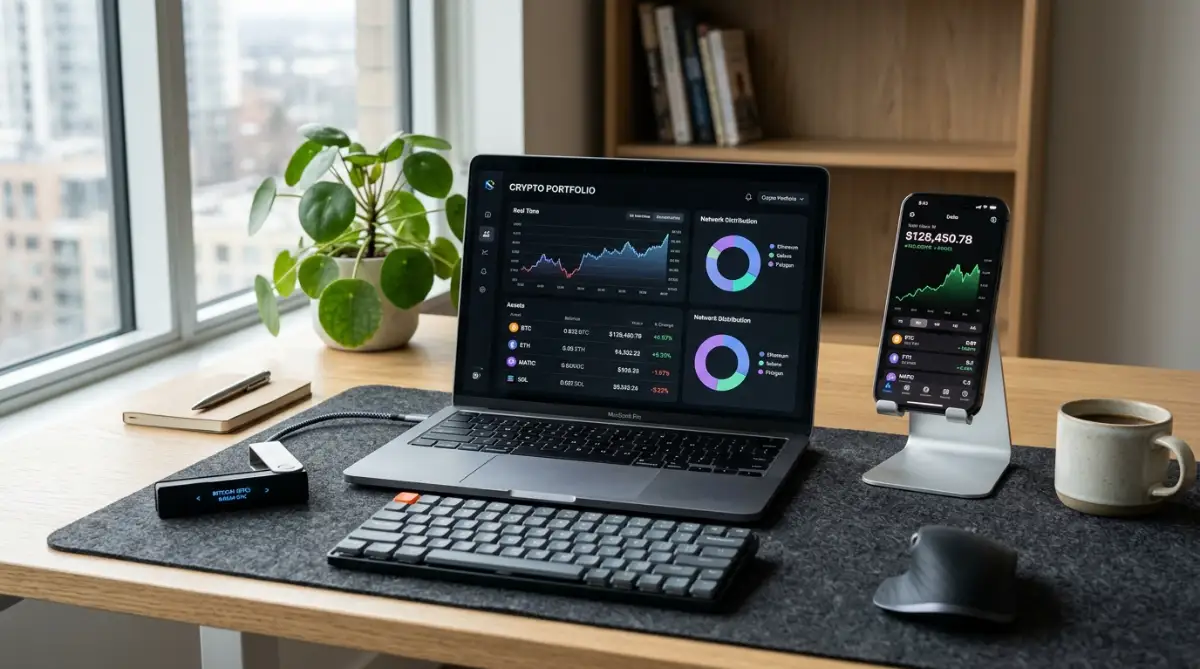
Sometimes, missing transactions ruin your entire ledger history.
When your portfolio tracker throws an unhandled error, you need a quick fix.
Here is your emergency cleanup checklist:
OS Deep Clean Checklist:
Disconnect the broken API or wallet address immediately.
Export your raw transaction history as a CSV file from the source exchange.
Open the file in a text editor to clean formatting errors.
Manually re-import the clean CSV using standard formatting templates.
Getting your data right means you won't pull your hair out when tax season arrives. Speaking of safety, you can learn more about protecting your digital holdings by checking out this guide on how to secure crypto assets from hackers.
Costly Pitfalls and Critical Traps to Avoid
Let's clear the air about common tax myths.
A lot of people think holding crypto in a private wallet means the tax man cannot see it.
That's entirely false.
Blockchains are public ledgers. Every single transfer leaves a permanent footprint. If you try to hide trades, automated government analytics tools can flag your wallet history in seconds.
Check out how to handle your asset allocation safely by reading these insights on ways to diversify your portfolio with digital assets.
Ignoring these traps leads straight to IRS audits or massive overpayments.
If you want to reduce your overall market exposure while keeping your taxes clean, look into structured accumulation methods like the strategies outlined in this secret DCA strategy guide.
Immediate Next Action
Log into your primary portfolio tracker right now, audit your last five cross-chain transactions, and verify that your internal wallet transfers aren't marked as taxable capital gains.
It takes five minutes.
Do it before you close this browser tab.
Frequently Asked Questions
Do I have to report crypto-to-crypto trades on my taxes?
Yes. In most major tax jurisdictions, swapping one cryptocurrency for another counts as disposing of the first asset, making it a taxable event.
Can portfolio trackers automatically calculate my capital gains?
Most modern tracking tools calculate estimated capital gains, but you should always cross-reference them with certified tax software before filing official returns.
What happens if my exchange goes bankrupt and I lose my transaction history?
You lose your cost basis data, which can force you to report a zero cost basis and pay taxes on the entire withdrawal value. Always download your CSV backups monthly.
Are public wallet addresses completely anonymous for tax purposes?
No. Blockchains are pseudonymous, and tax agencies increasingly use advanced chain-analytics firms to match wallet addresses to real-world identities.
Disclaimer: This guide is provided for educational and informational purposes only and does not constitute financial, legal, or tax advice. Always consult with a licensed CPA or financial advisor before making major tax or investment decisions.