
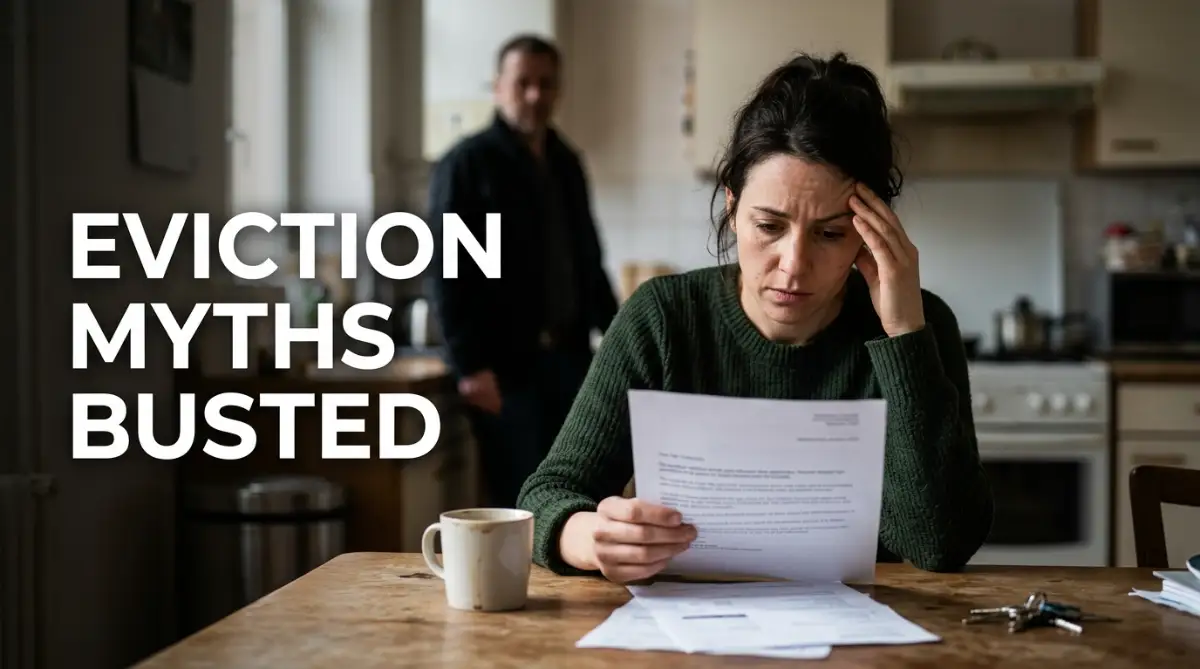
The Hidden Trauma of Facing an Unexpected Eviction
I still remember the exact moment my stomach dropped when I found that typed notice taped to my front apartment door. My hands were shaking so badly I could barely hold the piece of paper straight. I had always paid my rent on time, yet my property manager was demanding I leave the building within days for a completely fabricated reason. I felt entirely powerless, convinced that because he owned the building, he held all the cards. I spent three sleepless nights packing my belongings, crying over the unfairness of the whole situation. It was not until a friend handed me a small legal brochure that I realized my landlord was heavily relying on my lack of knowledge. I learned the hard way that understanding your legal rights is the absolute best shield you have against intimidation.
When a landlord hands you a notice to vacate, it feels like your entire world is falling apart. The roof over your head is your safe space, and the threat of losing it brings a unique kind of terror. Normal people facing this situation often experience severe panic attacks and constant anxiety.
You start wondering where your family will sleep next week or how you will afford sudden moving costs. This intense fear often ruins your mental peace and makes it impossible to focus on your daily job. It disrupts your children’s schooling and tears apart the daily routines that keep your family stable.
Many property owners know exactly how terrifying this experience is for a renter. They actively depend on your fear to make you pack up and leave without asking any questions. They hope you will simply accept their word as the final law.
The reality is far different from what a threatening letter might suggest. Just because someone owns the property does not mean they can bypass the law to force you out. You have specific protections built into the legal system that are designed to stop unfair treatment.

Shattering the Most Common Renters Myths
Many renters believe that receiving a written notice means the game is completely over. They think they have no choice but to surrender their keys and walk away. Let us break down why this assumption is dangerously wrong and how you can fight back legally.
The Truth About the 30-Day Notice Trap
One of the biggest lies landlords want you to believe is that a notice to vacate is the same thing as an official eviction. A notice is simply the very first step in a long legal process. It is essentially just a letter stating what the landlord wants to happen.
If you do not leave by the date on that notice, the landlord cannot just kick you out. They must actually file a formal lawsuit against you in a housing court. This means a judge gets to review the facts, and you get a chance to tell your side of the story.
Think of the notice like a warning ticket, not a final court judgment. You have the absolute right to stay in your home while the court process plays out. This legal timeline can take weeks or even months, giving you time to plan your next moves.
Before you pack a single box, you need to understand how the housing court process actually works. Watch this highly informative breakdown to see exactly how a judge reviews an eviction case and what protections you have.
The Danger of Self-Help Evictions
Imagine returning home from a long day at work only to find that your house keys no longer work. Or maybe you wake up in the middle of winter, and your landlord has deliberately shut off your electricity to freeze you out. These actions are known as "self-help evictions," and they are illegal in almost every jurisdiction.
Landlords use these aggressive bullying tactics because they do not want to pay for court fees. They want to scare you into leaving voluntarily so they can avoid the legal system entirely. But the law strictly forbids property owners from changing locks, removing doors, or cutting off basic utilities.
If your landlord tries any of these illegal tricks, they can face severe financial penalties. You can call the local authorities, and the police will often force the landlord to let you back inside. Always remember that only a court-appointed official, like a sheriff, has the authority to physically remove you from a property.
Expert Insight on Documenting Everything
I cannot stress enough how important it is to keep a paper trail of every single interaction with your landlord. During my own eviction scare, I started taking clear photos of my apartment conditions and saving every single text message my property manager sent me. My record-keeping saved my case because I could easily prove the landlord was lying about the timeline. Always communicate in writing, and if you must have a phone call, immediately send a follow-up email summarizing what was discussed.
Defending Against Retaliation Tactics
Another massive misconception is that landlords can kick you out simply because they do not like you. This often happens right after a tenant complains about a broken heater or reports a health code violation. Landlords sometimes respond to these valid complaints by suddenly issuing an eviction notice.
This is known as a retaliatory eviction. The law protects tenants who exercise their basic legal rights to a safe living environment. If you recently asked for necessary repairs and your landlord suddenly wants you gone, the law is usually on your side.
You can use the landlord's retaliation as a direct defense in court to get the eviction thrown out. Courts strictly punish property owners who try to silence tenants by threatening to take away their homes. Never be afraid to ask for a safe living space out of fear of being kicked out.
The Mystery of Accepting Partial Rent
Many tenants do not realize the hidden power of a partial rent payment. Let us say you fall behind on rent and your landlord gives you a notice to pay or leave. If you offer the landlord half of the rent money and they accept it, everything changes.
In many areas, accepting even a small portion of the owed rent completely cancels out the original eviction notice. The landlord essentially resets the clock by taking your money. They would have to start the entire notice process all over again from day one.
Landlords hope you do not know this rule because it ruins their fast-track timeline. If a property owner wants to proceed with an eviction, they usually must refuse your partial payments entirely. Knowing this small detail can buy you significant extra time to gather the rest of your funds.
Oral Agreements and Hidden Trapdoors
Have you ever made a friendly verbal agreement with your landlord about paying rent a few days late? Landlords often smile and say it is fine, only to turn around and hand you a late notice the very next morning. This is a classic trap designed to catch trusting tenants off guard.
The harsh reality is that oral agreements are difficult to prove in a courtroom. A judge will almost always look at the written lease over whatever conversations you had in the hallway. If your landlord agrees to a change in rules, you must get that promise in writing immediately.
Even a simple text message acknowledging the late payment plan can save you from a legal headache. Treat your rental agreement like a strict business contract, because your landlord certainly will when things go wrong. Trusting a verbal promise is a risk you cannot afford to take with your housing.
Handling Maintenance and Withheld Rent
Sometimes tenants get so frustrated with broken appliances or leaking roofs that they decide to stop paying rent. They assume that holding the money back will force the landlord to finally do their job. While the frustration is understandable, this strategy can backfire terribly if done wrong.
Landlords love it when angry tenants simply stop paying rent without following proper legal steps. It gives the property owner an easy excuse to file for an immediate eviction based on non-payment. Instead of talking about the broken roof, the judge will only look at your missing rent check.
The Right Way to Repair and Deduct
If you want to withhold rent, you must follow your local "repair and deduct" laws exactly. This usually means sending a formal written request for repairs and giving the landlord a reasonable amount of time to fix it. If they ignore your letter, you can pay for the repair yourself and deduct that cost from your next rent payment.
You cannot just keep the rent money in your pocket; it often needs to be placed into a separate escrow bank account. This proves to the judge that you actually have the money and are waiting for repairs to be finished. Doing this correctly protects your eviction record and forces the landlord to take your complaints seriously.
Always check your specific local housing laws before holding back a single penny of your rent. Doing it the legal way turns a risk into a powerful tool for getting your home fixed.
Breaking a Lease Without Breaking Your Life
Life happens, and sometimes you need to move out before your official lease contract ends. Landlords often threaten that if you break the lease early, you are fully responsible for the remaining months of rent. They use this financial threat to force you to stay in an uncomfortable situation.
However, landlords hope you never learn about their legal "duty to mitigate damages." This means the landlord cannot just sit back, leave the apartment empty, and charge you for the rest of the year. They are legally required to make a serious, active effort to find a new tenant to replace you.
Once a new renter moves in and starts paying, your financial obligation stops completely. You are only responsible for the empty months in between, not the entire remainder of the contract. If the landlord makes zero effort to advertise the apartment, a judge might wipe away your debt.
Leaving Due to Unsafe Conditions
There is also a powerful concept called "constructive eviction" that can legally break your lease for you. If your apartment becomes unlivable—like having no running water or a black mold infestation—you are not forced to stay. When a landlord refuses to fix severe health hazards, the law considers you essentially evicted already.
You can pack your things, leave the dangerous property, and stop paying rent without penalty. You just need documentation showing the unsafe conditions and your repeated requests for help. No one should ever have to pay for an apartment that is actively making them sick.
The Power of Free Legal Representation
The absolute biggest advantage landlords have in court is that they usually show up with an experienced lawyer. They bank on the fact that you will show up alone, confused, and terrified of the judge. They hope the complex legal jargon will make you agree to a terrible settlement just to make it end.
You do not have to fight this battle on your own. There are hundreds of free legal aid societies and tenant advocacy groups dedicated to helping renters fight unfair evictions. These organizations provide free lawyers who know exactly how to expose a landlord's lies.
When a tenant shows up to housing court with legal representation, the power dynamic shifts. Landlords suddenly become much more willing to negotiate fair move-out terms or drop the case entirely. Never let a lack of money stop you from seeking professional legal defense for your home.
Next-Level Strategies to Protect Your Rented Home
Once you understand the basic protections you have as a renter, it is time to take things a step further. Dealing with an aggressive landlord requires more than just knowing your rights. You need to build a protective wall around yourself and your family, much like the steps required to protect family assets before disaster strikes in other financial areas of your life.
I always tell renters to treat their housing situation like a formal business partnership. You would never let a business partner bully you into breaking a contract, right? Your lease agreement works the exact same way.
To maintain long-term stability, you must start communicating entirely through certified mail. Whenever you send rent checks or request repairs, paying a few extra dollars for a tracking number is smart. It removes the landlord's ability to stand in front of a judge and claim they never received your letter.
If you are dealing with financial stress, you also need to manage your money tightly to prepare for moving costs. I recommend creating a strict zero-based budget to ensure every dollar you earn is protected. Having a clear financial cushion makes you far less vulnerable to sudden housing threats.
The Hidden Magic of "Cash for Keys" Agreements
Sometimes, fighting an eviction in court takes too much emotional energy. If you actually want to leave but just need more time or money, there is a secret negotiation tactic known as a "cash for keys" agreement.
Many property owners are terrified of long, expensive court battles. They know that hiring attorneys and waiting for court dates will cost them thousands of dollars. You can use this fear to your advantage by offering a clean, mutual walk-away deal.
You tell the landlord that you will move out voluntarily by a specific date, leaving the place spotless. In exchange, they agree to pay you a lump sum of cash to cover your moving expenses and new security deposit. You both sign a legally binding contract, and the eviction threat disappears.
This strategy works because it gives both sides what they want. The landlord gets their property back quickly, and you get paid to relocate peacefully. Just make sure you never hand over your keys until that agreed-upon money is physically in your hand.
Organizing Your Ultimate Tenant Defense Binder
If you ever find yourself sitting in front of a housing judge, organization is your best friend. A judge will not listen to a long, emotional story. They want to see hard, physical evidence that proves your landlord is acting unfairly.
You should start building a "Tenant Defense Binder" the moment you feel threatened. Go to a local office supply store and buy a simple ringed binder with plastic sleeves. Inside, you will store a printed copy of your original lease, every rent receipt, and screenshots of text messages.
Include printed photographs of any maintenance issues you have been complaining about. Having a neat, professional binder makes you look credible to a judge. According to the official tenant resources provided by HUD, proper documentation is the single most effective way to win housing disputes.
Safeguarding Your Digital Privacy During Disputes
Some shady property managers will try to dig into your personal life during a dispute. They might try to use your personal information against you to force you out. It sounds crazy, but landlords search through social media and digital files to find leverage.
Because of this, keeping your personal documents secure is important. If you store your lease agreements or financial records online, keep them locked down tight. Securing your digital files with end-to-end encryption ensures that nobody can snoop on your private defense strategies.
You should also adjust your social media privacy settings the moment a dispute begins. Never post angry rants about your landlord online, as these can be used against you in court. Keep your head down, stay quiet, and let your legal documents do the talking.

Traps and Pitfalls You Must Avoid at All Costs
Even smart tenants can ruin their own cases by making panicked mistakes. When your housing is threatened, human nature pushes you to act on emotion. But giving in to that fear is what predatory landlords hope you will do. Let us walk through the most dangerous traps you need to avoid.
The Disaster of Ignoring a Court Summons
The absolute worst thing you can possibly do is stick your head in the sand. When an official court summons arrives in your mailbox, ignoring it will not make the problem disappear. Throwing away that letter guarantees that you will lose your home.
If you do not show up for your scheduled court date, the judge will issue a "default judgment" against you. This means the landlord wins automatically simply because you were not there. You lose every right to fight back or negotiate.
Within days of a default judgment, a sheriff will arrive at your door to physically lock you out. No matter how scared or overwhelmed you feel, walk into that courtroom. Just showing up is often enough to force a sudden settlement or delay the process.
Relying on Handshake Deals and Promises
We touched on this earlier, but it deserves a deeper warning. Never trust a property manager who tells you "not to worry about it" with a smile. If a landlord verbally agrees to drop an eviction or accept late rent, it means absolutely nothing.
Until a judge signs a paper or you have a written contract, the threat is active. Many tenants have skipped court dates because the landlord promised they worked things out over the phone. The landlord then goes to court anyway, tells the judge you did not show up, and easily wins.
Always demand a signed, written agreement for any changes to your housing situation. If they refuse to put their promise in writing, they are planning to trick you. Protect yourself by assuming every verbal promise is a lie.
Losing Your Temper and Acting Aggressively
I know how frustrating it is to deal with a lying property owner. It is natural to want to scream, send angry texts, or slam doors. However, losing your temper is a gift to a bad landlord.
If you act aggressively, the landlord can change the narrative of the dispute. They will tell the judge that they are genuinely afraid of you and that you are a danger to the building. This can turn a slow eviction process into an emergency removal.
You must stay calm, polite, and professional during every single interaction. If your landlord starts screaming, walk away and document the harassment. If you need help dealing with the stress, reaching out to the Consumer Financial Protection Bureau's housing counseling services can provide a safe space to vent and get professional guidance.
Damaging the Property Out of Spite
When forced to leave an apartment, some angry tenants decide to get "revenge" on the way out. They might pour concrete down drains, punch holes in walls, or steal appliances. While this might feel satisfying for a second, it will destroy your financial future.
The landlord will immediately file a secondary lawsuit against you for intentional property damage. This kind of debt does not disappear; it will follow you for years. It will impact your ability to get loans, buy a car, or focus on rebuilding a damaged credit score.
Even worse, intentional vandalism is a serious criminal offense. You could face jail time over a broken door or smashed window. Always leave the apartment in clean condition and take a final video walkthrough to prove you left it intact.
Failing to Seek Proper Support Early
Another huge mistake is waiting until the last minute to ask for help. Many people feel ashamed that they are facing eviction and try to hide it. They wait until the night before their court date to start looking for an attorney.
Legal professionals need time to review your lease, gather evidence, and build a strong defense. If you wait too long, even the best lawyer will not be able to save you. As soon as you get that first threatening notice, start making phone calls.
There are plenty of free legal aid clinics supported by the Legal Services Corporation that specifically handle housing emergencies. You just have to be brave enough to reach out and admit you need a hand. The earlier you get a professional on your side, the better your chances of staying home.
Reclaiming Your Power and Peace of Mind
Facing a threat to your home is one of the most stressful events a human being can endure. It shakes your foundation and makes you question your stability. But you are no longer in the dark about how this system operates.
You now know that a simple notice on your door is not the end of the line. You understand that illegal lockouts, verbal tricks, and retaliatory threats can be beaten in a courtroom. You have the tools needed to organize your evidence and stand tall against unfair treatment.
Remember that housing laws exist specifically to protect regular people from being exploited. Your landlord might own the physical bricks and wood, but you hold the legal right to a safe, peaceful home. You never have to pack your bags quietly just because someone tried to intimidate you.
I know how scary it feels to stand up to a wealthy property owner who seems to hold all the power. My experience taught me that speaking up and using the law is the only way to stop bullying. Keep your head high, read your lease carefully, and never be afraid to demand the respect you deserve.
Common Questions About Renters Protections
Can my landlord evict me without taking me to court?
Absolutely not. A landlord cannot force you out, change your locks, or remove your belongings without a formal court order signed by a judge. Any attempt to do so is considered an illegal self-help eviction and can result in severe financial penalties for the property owner.
What happens if my refuse to leave after my lease expires?
If you stay past your lease date, you become what is called a "holdover tenant." Your landlord still cannot forcefully throw you out on their own. They must file a specific holdover lawsuit in housing court to officially end your residency.
How long does a standard housing court process take?
The timeline varies wildly depending on your local laws and how busy the courts are. Sometimes it takes just a few weeks, but in heavily populated cities, the legal back-and-forth can take several months. This gives you plenty of time to find a new place or negotiate a settlement.
Can a property manager turn off my electricity to make me leave?
No, shutting off essential utilities like water, heat, or electricity is illegal everywhere. If this happens, immediately call local code enforcement or the police. They