The Silent Threat in Your Trash Bin: Are You Risking Your Identity?
I still remember the exact moment my stomach dropped into my shoes. A few years ago, I got a call about a new credit card opened in my name—a card I never applied for. It turned out the thief found my details on an old medical bill I carelessly tossed into my kitchen trash bin. That one simple mistake cost me months of stress and endless phone calls to clear my name, and I promised myself I would never let it happen again.
Imagine holding an old bank statement or a medical bill in your hands. You no longer need it, so you simply tear it in half and toss it into the kitchen trash bin. You wipe your hands, thinking the job is done. But the truth is, your private life is now sitting openly in the garbage.
Every single day, ordinary people throw away papers filled with their home addresses, bank account numbers, and medical histories. Scammers and identity thieves actively look for these exact papers. Once they have your details, they can open credit cards in your name or steal your tax refunds.
Why People Struggle to Find the Right Solution
We often try to do the right thing to protect our privacy. However, bad advice and confusing information leave us vulnerable. Here is why so many people get stuck:
- Relying on old myths: Many people believe tearing a paper into four pieces is enough. Thieves can easily tape these large pieces back together in minutes.
- Trusting cheap tools: Buying a low-quality shredder often results in paper jams. People get frustrated, stop using the machine, and go back to throwing whole papers away.
- Misunderstanding what is sensitive: We often shred bank statements but ignore shipping labels on Amazon boxes. Those labels contain enough data for a scammer to start tracking you.
- Feeling overwhelmed by volume: When you have ten years of tax returns to throw out, the task feels impossible. Most people simply give up and leave boxes of private data in their basement.
The Mental Toll of Leaving Your Data Unprotected
Living with the fear of identity theft is exhausting. When you do not safely dispose of documents containing sensitive data, it slowly eats away at your peace of mind.
- Constant background anxiety: You might find yourself worrying every time an unknown number calls your phone. You wonder if someone finally found that old credit card bill you threw away.
- Loss of financial confidence: Building your savings takes years of hard work. Knowing a single piece of stolen paper could drain your bank account creates deep stress.
- Sleepless nights: The fear of someone ruining your credit score can keep you awake. Rebuilding a stolen identity takes hundreds of hours and incredible emotional energy.
- Feeling violated: Identity theft is not just a financial crime. It feels like a stranger has broken into your home and rummaged through your most private thoughts.
Protecting your private information should not feel like a difficult chore. You deserve to throw away an old document and never think about it again.
By learning the right methods, you can completely lock down your personal information. Let us explore the absolute best ways to destroy your private papers forever.
The Ironclad Strategy to Destroy Your Private Papers Forever
To safely dispose of documents containing sensitive data, you need methods that actually work. We are going straight into practical, science-backed steps you can apply in your home today.
Forget the frustration of jammed machines and incomplete destruction. These methods guarantee that nobody will ever read your private information again.
1. The Micro-Cut Shredding Method
Before we jump into the exact methods, watch this quick and eye-opening video below to see how easily scammers can piece together badly destroyed documents. Seeing this trick firsthand completely changed how I look at my trash, and it will make the rest of these steps make total sense!
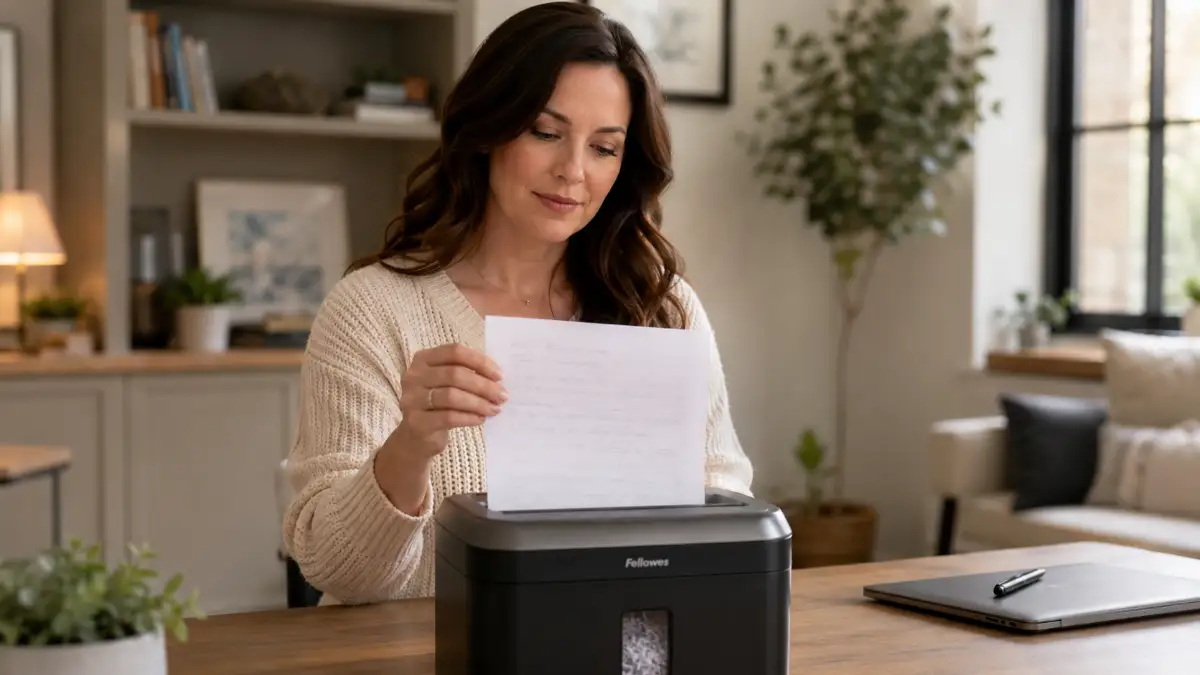
When most people think about destroying documents, they picture a basic paper shredder. However, not all shredders do the same job.
If you use a basic "strip-cut" shredder, you are making a massive mistake. These cheap machines cut your paper into long, vertical ribbons.
Think of a strip-cut shredder like a very simple jigsaw puzzle. A dedicated identity thief can easily gather those long strips, lay them flat on a table, and tape them back together.
Why You Must Upgrade to a Micro-Cut Machine
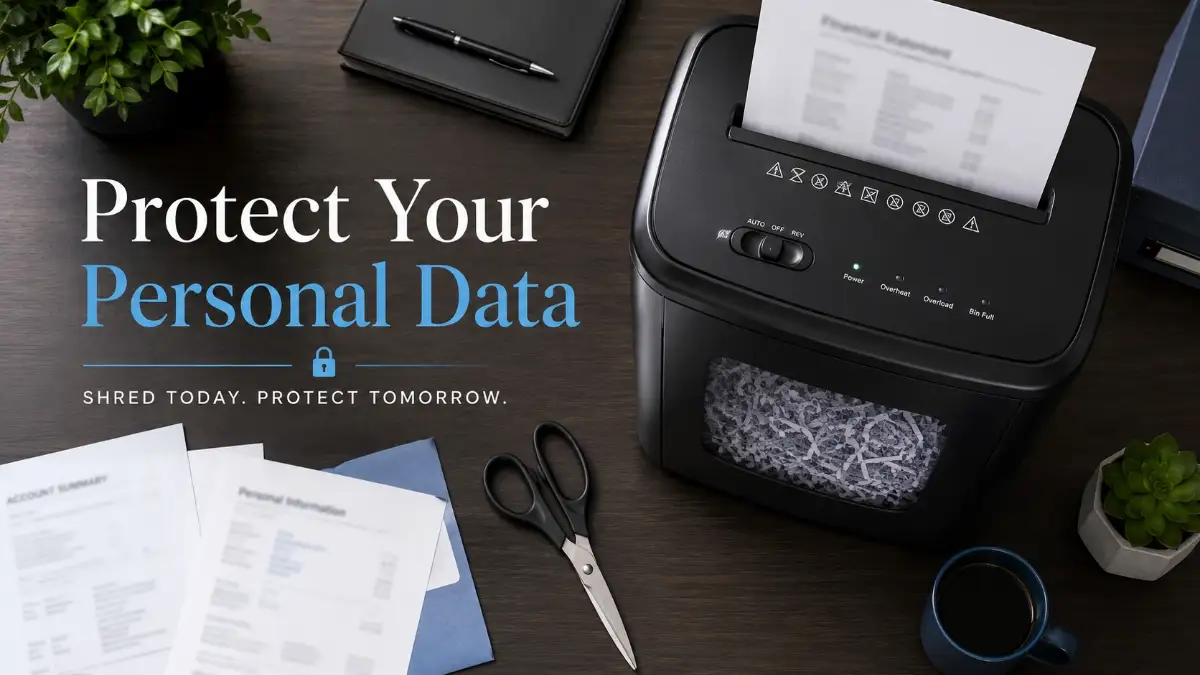
To truly protect yourself, you need a micro-cut shredder. This machine does not just cut paper into strips. It uses tiny, interlocking blades to chop the paper horizontally and vertically.
A single standard sheet of paper gets turned into over two thousand tiny square particles. It is mathematically impossible for a human being to put those pieces back together.
Even advanced computer software struggles to rebuild documents destroyed by a micro-cut machine. When you drop your medical bills into this device, they turn into harmless dust.
Before I understood how this worked, I wasted money on a cheap strip-cut shredder that jammed every single time I used it. I used to get so annoyed that I just stopped shredding things altogether, leaving my data completely exposed. Take it from my mistake: spending a few extra dollars on a heavy-duty micro-cut shredder will save you so much time and keep your mind totally at ease.
Actionable Tips for Better Shredding Today
If you want to start using this method right now, follow these exact rules.
First, gather all the papers you want to destroy. Sort them into small piles of about five to ten pages each. Do not force thick stacks of paper into the machine, as this will ruin the motor.
Next, remove heavy staples or large binder clips. While some high-end machines can handle staples, removing them keeps the blades perfectly sharp for a longer time.
Finally, do not wait until you have a mountain of paperwork. Keep your shredder plugged in right next to your desk or your trash can. When you open your mail and see a bank statement you do not need, shred it immediately.
Building this small daily habit ensures you never have a backlog of dangerous documents sitting around your house.
2. The Water Pulping Technique for Maximum Security
Sometimes you do not have access to a shredder. Maybe your machine broke, or maybe you are traveling and need to destroy a hotel receipt with your credit card details.
In these situations, the water pulping technique is your best friend. This method uses basic chemistry to break down the actual fibers of the paper.
Paper is held together by weak bonds between wood fibers. When you introduce water and mild friction, those bonds completely dissolve.
How to Turn Sensitive Papers into Harmless Mush
This method is incredibly easy and highly effective. You will need a large plastic bucket, warm water, and a little bit of time.
Start by tearing your sensitive documents into smaller pieces by hand. You do not need to be perfect; just rip them into chunks. Toss these pieces into your plastic bucket.
Next, fill the bucket with warm or hot water. Warm water works much faster because the heat speeds up the breakdown of the paper fibers. Make sure all the paper is completely submerged under the water.
Leave the bucket sitting for at least 24 hours. If you want to speed up the process, you can add half a cup of ordinary household bleach. Bleach helps to aggressively destroy the ink, making any remaining text completely unreadable.
The Final Step of the Pulping Process
After waiting a full day, look inside the bucket. The paper will look like soft oatmeal. Take a long wooden stick or an old spoon and stir the mixture aggressively. The physical motion will break apart any clumps that survived the soaking process.
Once the mixture is a thick, gray paste, it is completely safe to discard. You can pour this mush into an outdoor compost bin or drain the excess water and throw the solid block into your regular trash.
Nobody will ever be able to read your social security number off a block of dried paper paste. This method is incredibly satisfying and gives you absolute certainty that your data is gone.
3. The Controlled Incineration Approach
Since the dawn of time, fire has been the ultimate way to destroy things permanently. If you need to safely dispose of documents containing sensitive data, burning them leaves zero trace.
When paper burns, the carbon structure breaks apart and turns into ash and smoke. You cannot un-burn a piece of paper. It is the most final method of destruction on earth.
However, you must be incredibly careful when using this method. Fire is unpredictable, and you should only use this approach if you have a safe, legal outdoor space.
Setting Up a Safe Burn Zone
Never burn documents inside your house, your sink, or your bathtub. You need a proper outdoor fire pit, an incinerator barrel, or an outdoor charcoal grill.
Always check your local fire regulations before starting a fire. Some cities strictly ban open flames in residential neighborhoods.
Once you have a safe outdoor metal container, start a small, controlled fire using some basic firewood or plain newspaper. Do not throw a massive stack of sensitive papers into the fire all at once. Thick stacks of paper block oxygen, which means the center of the stack will not burn.
How to Guarantee Complete Destruction
To do this correctly, feed your private documents into the fire one by one. Watch the edges curl and turn black.
Wait until the flame completely consumes the paper before adding the next sheet. This takes a little bit of patience, but it ensures every single word is destroyed.
When you have finished burning all your documents, do not just walk away. Sometimes, pieces of burnt paper can float into the air and carry readable text on the charred remains.
To prevent this, use a long metal stick to smash the ashes while they are still glowing. Break up any solid black sheets into fine gray dust.
Finally, pour a bucket of water over the ashes to put out the fire completely. Stir the wet ashes one last time. You have now completely erased your private information from existence.
Using fire gives you an unmatched level of security. It turns your biggest privacy worries into nothing more than a pile of wet dust.
4. Using Chemical Ink Solvents for Single Documents
Sometimes you do not need to destroy the entire page. You might have a large medical chart where only your name and patient ID are sensitive.
Instead of shredding or burning the whole document, you can chemically erase the specific sensitive information. This is very useful when you need to keep the rest of the document intact for your personal records.
How Solvents Break Down Ink
Printer ink and pen marks are made of pigments and dyes suspended in a liquid base. When you apply a chemical solvent like rubbing alcohol or acetone (nail polish remover), it attacks the binder holding the ink to the paper.
Take a cotton swab and dip it into high-concentration rubbing alcohol. Gently rub it over your printed name, address, or medical ID.
Within seconds, you will see the ink begin to bleed and smudge. Keep rubbing until the text turns into a messy, unreadable blur.
Best Practices for the Solvent Method
This method requires a bit of trial and error because different printers use different types of ink. Laser printer toner, for example, is actually melted plastic, so alcohol might not work as well on it.
If you are dealing with glossy paper, like prescription medicine bottle labels, acetone works perfectly. Just peel the label off the bottle, place it on a safe surface, and wipe it with acetone. The sensitive text will melt away immediately.
Always work in a well-ventilated room when using these chemicals. Once the text is completely destroyed, let the paper dry. You can now safely throw the paper into the recycling bin, knowing your private details are gone.
Expert Strategies to Maintain a High-Security Home
Protecting your personal information is an ongoing daily practice. If you only secure your papers once a month, you still leave a window open for thieves to attack.
According to government consumer protection agencies, understanding the risks of identity theft is the first step toward long-term financial safety. You need a system that works automatically in your daily routine.
When you fail to protect your physical documents, scammers can easily open accounts in your name. If this happens, you will eventually have to learn how to fix a damaged credit score without falling for scams, which requires immense time and emotional energy.
By building a secure home disposal system, you prevent these disasters before they ever happen. To help you build this safety net, financial experts highly recommend knowing exactly what items you should shred the moment they arrive in your mailbox.
Let us explore some professional-level habits you can start using today to keep your identity completely safe.
Leverage the Power of Community Shredding Events
Sometimes you find a massive box of old tax returns or legal papers in your attic. Running thousands of pages through a small home machine will easily burn out the motor.
For these massive clean-out projects, community shredding events are your absolute best option. Local banks, credit unions, and city police departments frequently host these events for free.
They bring massive industrial trucks into a public parking lot. These trucks feature heavy-duty commercial blades that can destroy entire boxes of paper in a matter of seconds.
You do not even need to remove staples, paper clips, or thick cardboard folders. The industrial blades chew through heavy metals and thick bindings without any struggle.
Watching your documents get destroyed on-site gives you incredible peace of mind. Always ask the event organizers if they destroy the papers immediately inside the truck, just to ensure your maximum safety.
Use Encrypted Identity Protection Roller Stamps
Shredding every single piece of junk mail can sometimes feel exhausting. You might get a magazine subscription with your name and home address printed on the back cover.
Running a thick, glossy magazine through a shredder is a terrible idea. This is exactly where a blackout roller stamp becomes your favorite desk tool.
These small, handheld devices use a specially formulated black ink. The stamp features a chaotic, scrambled pattern of letters and symbols.
When you roll this stamp over your personal information, the chaotic pattern completely hides your printed text. Even if someone holds the paper up to a bright light, they cannot read your name beneath the heavy ink.
This method is incredibly fast and saves you from constantly emptying your shredder bin. Keep a roller stamp near your front door so you can instantly mask your details as soon as you open your daily mail.
Transition to a Secure Paperless Environment
The easiest way to safely dispose of documents containing sensitive data is to stop receiving them entirely. Moving to a paperless system cuts off the risk at the original source.
Almost every bank, utility company, and healthcare provider now offers digital statements. By opting into digital delivery, you stop sensitive paperwork from sitting in your physical mailbox.
When you eliminate physical paper bills, you instantly reduce the chance of mail theft. This small adjustment makes say goodbye to credit card balances a simple step-by-step action plan much easier to manage, as you track your finances purely online.
If you already have filing cabinets full of old paper records, buy a fast document scanner. Digitize your old health records and insurance policies, then save them on an encrypted external hard drive.
Once you have a secure digital backup, you can permanently destroy the original physical papers. Your home will feel much cleaner, and your private life will remain completely locked down.
Dangerous Document Disposal Habits You Must Break Today
Even when we try our best, we often make small mistakes that leave our information completely exposed. Identity thieves do not need much to ruin your life.
Sometimes, a single forgotten piece of paper is all a scammer needs to drain your bank account. You must carefully avoid these common pitfalls to keep your family completely safe.
Trusting the Blue Recycling Bin Too Much
Many people believe that throwing personal papers into a city recycling bin is a safe choice. They assume the city workers will immediately melt the paper down into new cardboard.
This is a massive and dangerous assumption. Your recycling bin usually sits on the edge of the street for hours before the truck arrives.
During that time, anyone can walk by, lift the lid, and grab a handful of your private mail. A strong gust of wind can also blow your bank statements right into the middle of the street.
Once your papers enter a public recycling facility, hundreds of strangers handle them on open conveyor belts. Never put fully readable sensitive documents into a public recycling bin. Always destroy the information first.
Only Focusing on Traditional Financial Documents
We all know we should destroy bank statements and tax returns. However, scammers frequently target documents that most people consider totally harmless.
For example, your boarding passes hold an incredible amount of hidden data. The barcode on a printed airline ticket contains your frequent flyer number, your upcoming travel plans, and your legal name.
If a hacker scans that barcode, they can log into your airline account and steal your travel miles. They can even cancel your future flights just to cause chaos.
Another highly overlooked item is the shipping label on your online shopping boxes. Those labels have tracking barcodes that link directly to your phone number and home address. Always peel off shipping labels and destroy them before throwing the cardboard box away.
Letting Paper Clutter Build Up for Months
Procrastination is the best friend of identity theft. Many people throw their private mail into a desk drawer, promising to deal with it later.
Months go by, and that small pile turns into a massive mountain of dangerous paperwork. If a burglar breaks into your home, they will immediately grab that stack of unorganized documents.
A messy desk is an open invitation for total financial disaster. To fix this, you must treat your paper disposal like washing your dirty dishes.
Do not let the mess sit there overnight. Open your mail, decide what you need to keep, and immediately destroy the rest.
Ignoring the Hidden Data on Prescription Bottles
Medical identity theft is a rapidly growing crime that can ruin your healthcare coverage. Scammers steal your medical details to get expensive treatments billed directly to your insurance.
People frequently toss empty prescription medicine bottles straight into the bathroom trash. These sticky labels display your doctor’s name, the medication you take, your full name, and your date of birth.
With just that small label, a criminal can call your pharmacy pretending to be you. They can order dangerous drug refills or redirect your medical bills to a fake address.
Always soak your empty medicine bottles in hot, soapy water. The sticky label will easily slide off the plastic. You can then tear the wet label into tiny pieces or use a chemical solvent to melt the printed ink.
Failing to Secure Printed Loan and Bank Offers
Every week, your mailbox likely fills up with pre-approved credit card offers and personal loan advertisements. Most people just rip these envelopes in half and throw them away.
Thieves actively hunt for these specific envelopes in residential trash cans. They can tape the application form back together, fill in a fake address, and open a massive line of credit in your name.
If you are currently trying to stop overpaying how to force your bank to lower your personal loan rates, the last thing you want is a thief ruining your credit score with a stolen loan application.
You must shred every single piece of unsolicited financial mail. If an envelope says "Pre-Approved" or "Special Offer Enclosed", it needs to go straight into your micro-cut shredding machine.
Take Control of Your Personal Privacy Right Now
Protecting your identity does not require a degree in cybersecurity. It simply requires building small, smart habits that you practice every single day.
By upgrading your tools and changing how you view your daily mail, you instantly become a harder target. Scammers are notoriously lazy people who look for the easiest victims.
When a thief looks through your trash and finds nothing but micro-cut paper dust, they will immediately move on. You are sending a clear message that your privacy is completely locked down.
Do not wait for a financial disaster to strike before you start taking this seriously. Go to your desk right now, grab that pile of old paperwork, and start destroying it.
Your peace of mind is worth the effort. Once you clean out your old files and destroy the vulnerable data, you will feel an incredible sense of relief.
Start treating your personal information like pure gold. Protect it fiercely, destroy what you no longer need, and enjoy a deeply secure, worry-free life.
Looking back at my own identity theft nightmare, I can honestly say that the constant fear completely goes away once you build these easy habits. Now, every time I drop a bank statement into my shredder or use my roller stamp, I feel a huge sense of relief. Just pick one method to start with today, and I promise you will sleep so much better tonight.
Disclaimer: The information shared in this article is based on my personal experiences and general best practices for home privacy. I am not a financial advisor or a cybersecurity professional. Always check your local laws regarding fire safety before burning any documents, and consider reaching out to a legal professional if you need to safely dispose of highly sensitive business or government records.