
The Hidden Reason Behind My Daily Discomfort
For a long time, I woke up every single morning feeling like a tightly blown-up balloon. My stomach always hurt after lunch, making me want to just drop my head on my desk and sleep. I tried skipping meals, drinking weird detox teas, and popping antacids like they were candy. Nothing seemed to make the heavy, uncomfortable feeling go away. I felt completely trapped in my own body, missing out on fun dinners with friends because I was afraid of how my stomach would react. It took me a long time to realize that my gut microbiome was completely out of balance.
You might be going through the exact same exhausting cycle right now. Millions of normal, everyday people struggle with constant bloating, random stomach pains, and a heavy feeling that never leaves. This daily discomfort quietly steals your mental peace. You start to plan your entire day around where the nearest bathroom is.
Eating a simple meal with your family turns into a guessing game of what will make you sick this time. It feels incredibly lonely when doctors just tell you that everything looks fine on paper. You know something is deeply wrong, but you do not know how to fix it.
This ongoing physical stress quickly turns into mental exhaustion. Your brain feels foggy, your energy drops to zero, and you lose motivation to do the things you love. It is hard to be a patient parent, a good friend, or a hard worker when your stomach is constantly turning upside down. You are definitely not alone in this fight.
The good news is that our bodies are amazing at healing themselves when we give them the right tools. You do not need expensive medical treatments to start feeling better today. By making a few simple, natural changes to your daily routine, you can completely turn your health around. I want to show you exactly how to take back control of your digestion.
Getting to Know Your Internal Ecosystem
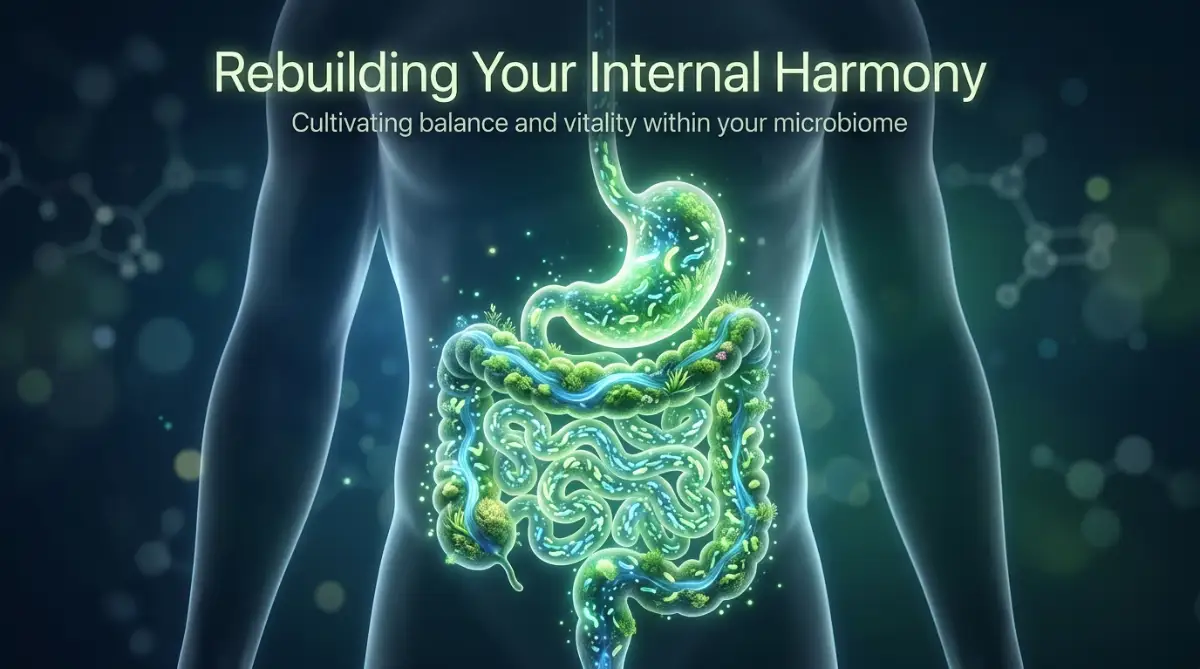
Think of your stomach and intestines as a massive, bustling garden. In this garden, you have beautiful flowers, which are the good bacteria. You also have annoying weeds, which represent the bad bacteria. When the weeds take over, the whole garden suffers and stops producing good things.
Your gut microbiome works exactly like this internal garden. It contains trillions of tiny living organisms that help you digest food and absorb nutrients. When you eat highly processed foods or take too many antibiotics, you accidentally feed the bad weeds. This causes the good flowers to die off, leading to all those terrible stomach issues.
Understanding this balance is the very first step toward healing your body naturally. You have the power to plant new seeds and water the good flowers every time you sit down to eat. Let us look at some highly practical ways to rebuild this internal harmony right now.
Rebuilding the Good Bacteria Foundation Naturally
The food you put on your plate is the most powerful medicine you have access to. You do not need a fancy medical degree to understand how to feed your good bacteria. It all starts with adding more whole, natural foods to your daily meals.
Try to add natural probiotics to your diet, like plain yogurt or kefir. These foods are packed with living good bacteria that travel straight into your digestive system. Just eating one small bowl of plain yogurt in the morning can introduce millions of helpful helpers into your stomach.
You also need to feed these new helpers with prebiotics, which are basically food for your bacteria. Garlic, onions, bananas, and oats are amazing sources of prebiotics. They act like high-quality fertilizer for your internal garden, helping the good bacteria grow strong.
Want to know the secret to a perfectly balanced gut? Watch this quick visual breakdown to see exactly how your daily food choices change your internal ecosystem!
The Powerful Connection Between Your Gut and Your Brain
Have you ever noticed that you get a stomach ache when you are extremely nervous? This happens because your brain and your digestive system are constantly talking to each other. They use a special pathway called the vagus nerve to send messages back and forth all day long.
When your stomach is unhealthy, it sends stress signals directly up to your brain. This is exactly why you might experience brain fog, anxiety, or random mood swings when you are bloated. Fixing your stomach issues can actually make you feel happier and more clear-headed.
I used to think stress only affected my mind, but I quickly realized my anxiety was directly causing my terrible stomach cramps. My biggest mistake was drinking five cups of coffee to fight the brain fog, which just burned my stomach lining. Once I swapped the coffee for warm herbal tea and started taking deep breaths before meals, my digestion changed completely.
Myth vs Reality: Common Digestion Misconceptions
There is so much confusing information out there about how to heal your stomach. Let us clear up some of the biggest myths so you can focus on what actually works.
Seeing the facts laid out like this makes it much easier to make smart choices. You can stop wasting money on quick fixes that do not provide real results. True healing comes from simple, consistent daily habits rather than magic pills.
Managing Daily Stress to Improve Digestion
We often forget how much our daily worries impact our physical bodies. If you eat a healthy salad while feeling extremely angry or rushed, your body will struggle to digest it. Your body shuts down digestion when it feels threatened or stressed.
You need to tell your body that it is safe before you start chewing your food. Take three long, deep breaths before you take your first bite of a meal. This simple breathing trick tells your nervous system to relax and turns on your digestive engines.
Try to step away from your phone and your computer screen while you are eating. Look at your food, smell it, and chew each bite very slowly. Chewing is actually the very first step of digestion, and most of us rush right through it.
The Magic of Proper Hydration and Sleep
Water is the main highway that helps move food smoothly through your system. If you do not drink enough water, everything gets stuck, leading to painful constipation. Aim to drink a large glass of room-temperature water right when you wake up.
However, try not to drink massive amounts of ice-cold water right in the middle of a heavy meal. Too much liquid can wash away your natural stomach acids that are trying to break down your food. Sip slowly during meals, and drink your biggest glasses of water between your meals instead.
Sleep is the time when your body finally gets to do its internal repair work. If you are only getting five hours of sleep, your stomach never gets a chance to heal the damage from the day. Creating a dark, cool, and quiet sleeping environment will do wonders for your overall gut health.
Identifying Your Unique Food Triggers
Every single human body is totally different, meaning what works for me might not work for you. Some people can eat a whole plate of beans and feel amazing, while others will blow up like a balloon. You have to become a detective for your own body.
Start keeping a very simple food diary on your phone or in a small notebook. Write down what you ate and how your stomach felt two hours later. Tracking your reactions is the fastest way to figure out which foods are secretly causing your pain.
If you notice that dairy always makes your stomach hurt, try swapping it out for almond milk for a few weeks. You do not have to give up your favorite foods forever. Sometimes you just need to give your internal garden a short break to heal.
Moving Your Body to Move Your Digestion
You do not need to run a marathon to keep your stomach happy and healthy. Simple, gentle movement is actually one of the best ways to reduce severe bloating. When you move your body, you help physically push trapped gas and food through your intestines.
Going for a slow, fifteen-minute walk after dinner can completely change how you sleep that night. It lowers your blood sugar naturally and tells your digestive muscles to start working. Light stretching or easy yoga poses also massage your internal organs safely.
Avoid doing extremely hard, sweaty workouts right after eating a massive meal. Your body needs to send blood to your stomach to digest food, not to your leg muscles. Wait at least two hours after eating before doing any heavy lifting or intense running.
Replacing Bad Habits with Gentle Alternatives
We all have habits that we know are bad for our stomachs, but they are hard to break. Instead of just trying to quit cold turkey, try finding healthier replacements. This makes the healing journey feel much less like a punishment.
If you love drinking sugary sodas, try mixing some bubbly sparkling water with a splash of real fruit juice. You still get that satisfying fizz, but without the artificial chemicals that destroy your good bacteria. If you constantly crave sweet candy after dinner, grab a handful of fresh berries instead.
Your taste buds will actually change as your internal bacteria start to shift and balance out. The good bacteria will eventually stop demanding so much processed sugar. Within just a few weeks, you will naturally start craving the healthy, whole foods that make you feel good.
The Power of Consistency Over Perfection
Healing your stomach is not about being perfectly strict every single day of your life. It is about making slightly better choices most of the time. If you eat a heavy piece of cake at a birthday party, your whole system is not ruined.
Just wake up the next day and eat a healthy, balanced breakfast to get back on track. Be gentle and patient with yourself as your body slowly learns how to function properly again. Real, natural healing takes a bit of time, but the results are absolutely worth the wait.
Keep listening closely to the signals your stomach sends you every day. You have already taken a huge step just by trying to understand how your body works. By continuing to feed your internal garden with care, you will regain your energy and your health.
Next-Level Habits to Keep Your Stomach Happy
Once you understand the basic rules of feeding your internal garden, you can start adding some highly effective habits to your daily routine. These advanced steps are not about making your life harder or more complicated. Instead, they are about working smarter with your body's natural rhythm to create long-lasting healing.
You need to focus on building a strong, flexible digestive system that can handle occasional treats without breaking down. The secret to long-term success is consistency, not punishing yourself with impossible diet rules. Let us explore some powerful ways to upgrade your daily habits for maximum comfort.
The Magic of Rotating Your Plant-Based Foods
Most of us are guilty of eating the exact same meals every single week. You might have your favorite green smoothie on Monday and the exact same chicken salad every Tuesday. While eating healthy is great, eating the same exact foods actually limits the diversity of your good bacteria.
Different types of good bacteria require completely different types of fiber to survive and grow. If you only eat spinach, the bacteria that love spinach will thrive, but the bacteria that prefer carrots will slowly die off. You want a massive variety of different helpers in your stomach to break down all types of food.
Next time you go grocery shopping, try picking up a vegetable or fruit you have never tried before. You can find excellent guidelines on building plant diversity from the American Society for Nutrition's guide on eating for a healthy microbiome. Aim to eat thirty different types of plants every single week to keep your internal ecosystem strong.
Timing Your Meals to Activate Deep Cleaning
Your stomach actually has a built-in cleaning system that sweeps away leftover food and bad bacteria. This amazing process is called the migrating motor complex, and it only turns on when you are completely fasting. If you are constantly snacking every two hours, your body never gets a chance to clean the pipes.
This is exactly why you often feel incredibly bloated by the end of the day. Leaving a solid three to four hours of empty space between your meals gives your stomach time to rest and sweep. You will be amazed at how much lighter you feel when you simply stop snacking between breakfast, lunch, and dinner.
You should also aim to give your body a solid twelve-hour break from food overnight. If you finish dinner at seven in the evening, try not to eat breakfast until seven the next morning. This simple timing trick works wonders for reducing morning puffiness and stomach cramps.
Addressing the Silent Stomach Killer: Financial and Mental Stress
We briefly touched on stress earlier, but we need to talk about the specific types of stress that ruin your digestion. Constant, low-level worry keeps your body in a "fight or flight" mode all day long. When your brain thinks you are in danger, it completely shuts off blood flow to your intestines.
Money worries are actually one of the biggest hidden causes of chronic stomach pain today. If you are constantly losing sleep over debt, your cortisol levels will destroy your healthy gut lining. Taking active steps to say goodbye to credit card balances with a simple step-by-step action plan can surprisingly act as a powerful form of natural medicine.
When you remove heavy mental burdens, your physical body finally feels safe enough to digest food properly. You cannot out-eat a highly stressful lifestyle, no matter how many green vegetables you consume. Finding healthy ways to manage your daily anxiety is just as important as eating high-quality meals.
Planning Your Meals with Intention
Healing your digestion requires a bit of planning so you do not make desperate choices when you are hungry. When you wait until you are starving to decide what to eat, you will almost always grab sugary, processed junk food. This instantly feeds the bad weeds in your stomach and sets you back.
You need to approach your weekly meals just like you would approach a serious financial goal. Using a structured strategy, like the beginner's blueprint to zero-based budgeting to give every dollar a purpose, applies perfectly to your food choices as well. Give every single meal a purpose to either heal, nourish, or gently satisfy your body.
Spend just twenty minutes on Sunday writing down what you plan to eat for the week. Having healthy snacks washed, chopped, and ready in the fridge stops you from making decisions you will regret later.
Creating a Peaceful Eating Environment
How you eat is honestly just as important as what you are actually putting on your plate. Eating a perfectly healthy salad while driving through heavy traffic will just cause massive indigestion. Your brain needs to register that you are sitting down for a safe, relaxing meal.
Make it a strict rule to never eat your lunch while staring at a stressful work email. Create a calm environment by putting your phone in another room and playing some soft music. Check out this insightful article from Harvard Medical School on how mindful eating improves digestion for even more practical tips.
Take small bites, put your fork down between each bite, and truly taste your food. This signals your stomach to start producing the necessary acids to break down your meal smoothly.

Dangerous Traps That Actually Ruin Your Digestion
When you are tired of being in pain, it is incredibly easy to make desperate decisions. The internet is full of aggressive marketing that promises to fix your stomach overnight with a magic powder. Unfortunately, falling for these tricks usually makes your problems much worse in the long run.
I see so many well-meaning people accidentally destroying their internal ecosystems because they follow terrible online advice. You need to know exactly what to avoid so you do not accidentally harm your good bacteria. Let us break down the most common mistakes that keep people trapped in the cycle of bloating.
The Trap of Extreme Elimination Diets
When your stomach hurts after eating, your first instinct is usually to just stop eating that specific food. Over time, you might cut out dairy, then grains, then beans, until you are only eating chicken and rice. This is the biggest mistake you can possibly make for your long-term health.
When you completely remove large groups of whole foods from your diet, you starve your good bacteria. Rebuilding your internal strength takes time, much like figuring out how to fix a damaged credit score without falling for scams. You need slow, steady deposits of good habits, rather than extreme restrictions that leave you weak.
If a healthy food makes you bloated, try eating a much smaller portion of it instead of banning it forever. Your body just needs a little bit of time to build up the right enzymes to break it down.
Wasting Money on Fake Detox Products
Every social media platform is flooded with expensive teas and pills that claim to "cleanse" your system. These products are usually just powerful laxatives that forcefully empty your intestines and cause severe dehydration. They completely wash away all the good bacteria you have been working so hard to build.
You should never have to buy expensive, artificial powders to make your body function normally. Falling for these marketing tricks is a massive waste of your hard-earned money. You would be much better off learning how to stop overpaying and force better rates in your life, rather than spending cash on fake wellness trends.
Your liver and your kidneys are already the perfect, built-in detox systems for your body. Just give them plenty of clean water and whole foods, and they will do all the cleaning for you naturally.
Overloading on Fiber Too Quickly
When people hear that fiber is good for their stomach, they often go completely overboard on the very first day. Going from eating zero vegetables to eating three bowls of broccoli is a guaranteed recipe for severe pain. Your digestive system will literally panic and fill up with painful gas.
You have to slowly train your stomach to handle more complex foods over a few weeks. Start by adding just one extra serving of cooked vegetables to your dinner for a few days. Cooked vegetables are much easier for your body to break down than raw salads.
According to guidelines from Mayo Clinic regarding dietary fiber intake, you must also increase your water intake whenever you eat more fiber. Without enough water, all that healthy fiber will just turn into a heavy brick in your stomach.
Relying Heavily on Artificial Sweeteners
Many people switch to diet sodas and sugar-free snacks thinking they are making a healthier choice. However, artificial sweeteners are actually toxic to the delicate ecosystem inside your intestines. Your body does not know how to process these fake chemicals, which often leads to severe cramping.
Studies show that fake sugars can completely change the balance of your internal garden in just a few days. If you really need something sweet, stick to natural options like a drizzle of real honey or maple syrup.
It is always better to consume a small amount of real sugar than a large amount of artificial chemicals. Your body knows exactly how to digest real, natural foods from the earth.
Your Daily Blueprint for a Calm and Happy Stomach
You now have a complete understanding of how to take care of your internal ecosystem. You know what foods to add, what bad habits to avoid, and how to manage your daily stress. The next step is simply putting this knowledge into action without overwhelming yourself.
Remember that healing is never a perfectly straight line, and you will definitely have some bad days. Do not beat yourself up if you go to a party and eat foods that make you slightly bloated. Just return to your gentle, healing habits the very next morning with a positive mindset.
Focus on Small Daily Wins
You do not need to change your entire life before tomorrow morning. Pick just one simple habit to focus on this week, like drinking a glass of warm water when you wake up. Once that feels totally natural, you can add a second healthy habit to your routine.
Keep a positive journal to track how your energy levels are slowly starting to improve. Celebrate the days when your stomach feels completely flat and comfortable after a meal.
My biggest realization was that I didn't need to fix everything perfectly on day one. I just started by drinking more water and taking deep breaths before lunch, and it changed my entire life. You completely deserve to wake up feeling light, energetic, and free from pain, and I know you can make it happen today.
Common Questions About Healing Your Digestion Naturally
How long does it actually take to balance my internal bacteria?
Your gut bacteria can start to shift and improve within just three to five days of eating healthier foods. However, completely healing deep digestive issues and rebuilding a strong stomach lining usually takes a few months of consistent effort. Be incredibly patient with your body and focus on long-term daily habits rather than overnight miracles.
Should I take a daily probiotic supplement?
While supplements can be helpful after taking antibiotics, you should always try to get your good bacteria from real food first. Fermented foods like yogurt, kefir, and sauerkraut are much cheaper and often more effective than expensive pills. Always talk to a trusted doctor before starting any strong, high-dose daily supplements.
Why do I feel extremely bloated right after drinking water?
If drinking regular water causes immediate bloating, you might be swallowing too much extra air by drinking too fast. Try sipping your water very slowly throughout the entire day instead of chugging a huge glass all at once. Drinking room-temperature water is also much gentler on your stomach muscles than freezing cold ice water.
Can lacking sleep really make my stomach hurt?
Yes, absolutely! When you do not get enough sleep, your body naturally produces more stress hormones, which directly slows down your digestion. A lack of rest also completely messes up the internal cleaning cycle your stomach needs to perform every night.
Are all types of dairy bad for my digestion?
Not all dairy is bad for you, as fermented dairy like plain yogurt is actually wonderful for most people. The fermentation process breaks down the heavy lactose sugars, making it much easier to digest than a regular glass of cold milk. You just need to test different types of dairy slowly to see what your unique body can comfortably handle.
Disclaimer: The information provided in this article is for educational and informational purposes only and does not constitute medical advice. Always consult with a qualified healthcare professional before making significant changes to your diet, starting new supplements, or treating any chronic health conditions.