
The Hidden Agony of Cold Weather Breakouts
Waking up on a freezing morning, you walk to the mirror hoping for a decent skin day. Instead, you are greeted by fresh, angry red bumps staring right back at you. You might wonder why the cold season feels like a direct attack on your face.
You are doing everything exactly the way you always do. You wash your face, apply your regular creams, and still, the breakouts just keep multiplying. It feels incredibly unfair when you just want to enjoy a cozy cup of coffee without feeling highly self-conscious about your appearance.
The constant pulling, tightness, and stinging of winter pimples create a frustrating daily cycle. You are not alone in this battle. Millions of people face this exact same exact struggle when the temperature drops.
I still remember waking up two winters ago with my face completely covered in red, stinging bumps that I just could not hide. I spent hours crying in front of my bathroom mirror, constantly applying heavy creams that only made my breakouts ten times worse. It took me months of painful trial and error to realize that my cold-weather routine was actually destroying my skin barrier.
Why Finding the Right Solution Feels Impossible:
- Using harsh drying lotions: People often think all acne needs to be dried out fast. In freezing weather, this stripping method completely destroys your natural protective skin barrier.
- Skipping moisturizer out of fear: You probably read somewhere that heavy creams cause pimples. Because of this common myth, you leave your face bare, forcing your pores to overproduce thick, sticky oil.
- Over-exfoliating dry flakes: When your face gets flaky, your first instinct is to scrub it all off. Physical scrubs create tiny micro-tears, inviting harmful bacteria directly into your pores.
- Ignoring indoor heating: Many fail to realize that sitting next to a room heater sucks every single drop of moisture from the air. This invisible threat secretly ruins your complexion while you sleep.
The Silent Toll on Your Peace and Confidence:
- Avoiding social gatherings: You start canceling plans with friends and family. The simple thought of stepping into a brightly lit room makes you want to hide under your heavy blankets.
- Endless mirror checking: Your daily anxiety spikes every time you walk past a reflective surface. You constantly obsess over whether your concealer has rubbed off your chin.
- Wasting money on quick fixes: Out of pure desperation, you buy heavily marketed miracle serums that promise overnight results. When they inevitably fail, your hope drops, leaving you feeling completely helpless.
- The emotional weight of makeup: Trying to cover up dry, flaky pimples often makes them look significantly worse. The thick layers of foundation feel like a heavy mask hiding your true self-esteem.
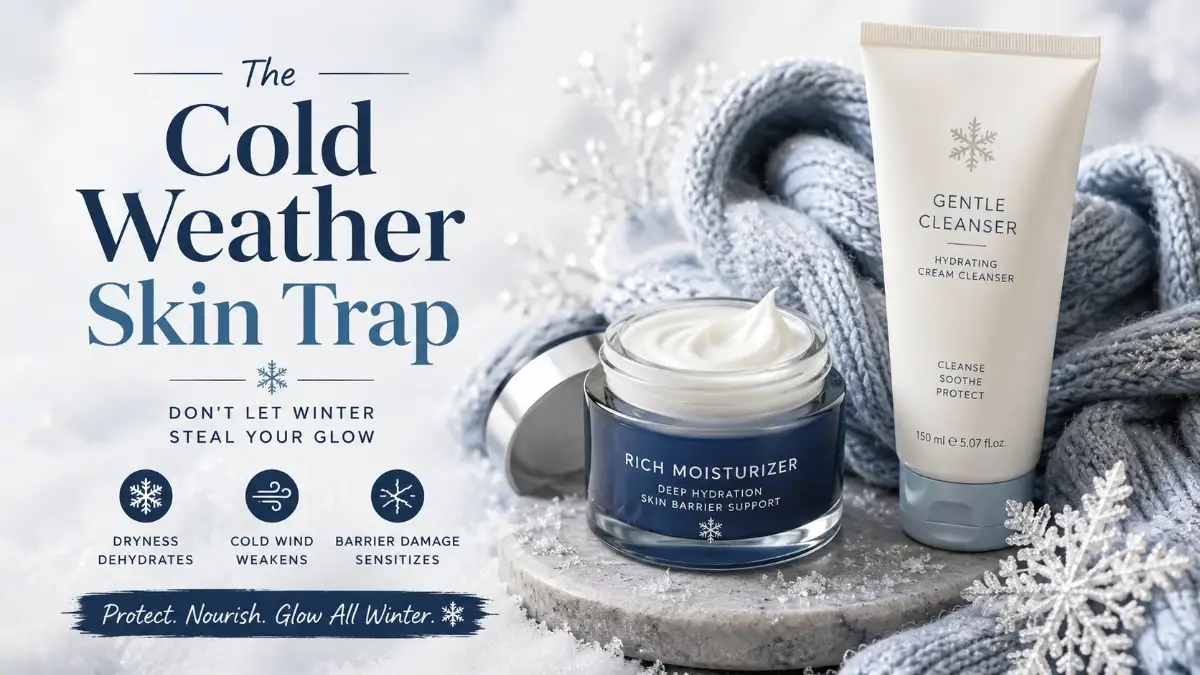
The Scientific Guide to Healing Winter Breakouts
To stop this annoying cycle, you need to understand exactly how dropping temperatures change your skin biology. We are going to look at the three most common mistakes people make when the cold hits.
More importantly, I will give you clear, actionable steps you can apply tonight. These are not complicated routines. These are simple, science-backed habits that actually deliver results.
Phase 1: The Broken Moisture Barrier and the Oil Trap
Your skin has an invisible outer layer called the lipid barrier. Think of this barrier like a sturdy brick wall protecting your house from a bad storm. The skin cells are the bricks, and your natural oils are the soft mortar holding everything tightly together.
During the hot months, there is plenty of humidity in the air to keep this mortar strong and flexible. But freezing winter air contains almost zero moisture. When this freezing wind hits your face, it literally pulls the water directly out of your skin cells.
This rapid loss of hydration leaves your "brick wall" completely shattered and full of deep cracks. Once your skin realizes it is losing water, it panics. To fix the problem, your body sends an emergency signal to your oil glands.
Your glands start pumping out massive amounts of sebum to quickly seal the broken cracks. However, because your skin is so dry, the surface is covered in a thick layer of dead, hardened skin cells. The fresh oil gets trapped directly underneath these dead cells.
This creates the perfect breeding ground for acne bacteria. You are basically dealing with dry, flaky skin on the outside, and a highly oily, clogged mess on the inside.
Want to see how your skin barrier actually gets damaged in cold weather and how to fix it fast? Watch this short video guide before reading the rest of our step-by-step solutions below!
How to Fix the Broken Barrier Today
You need to stop using products that strip away your natural oils. If your face feels tight or "squeaky clean" after washing, you are actively damaging your protective wall.
Here is a quick pro tip from my own costly mistake: I used to dry my face completely with a towel before putting on my moisturizer, which left my skin super tight and itchy. The moment I started applying my cream directly onto damp skin, my face stopped producing panic-oil almost overnight!
- Switch your cleanser: Throw away those aggressive foaming cleansers you used during the sweaty summer months. Switch to a hydrating milky cleanser or a gentle gel wash that does not lather too much.
- Apply skincare on damp skin: Never completely dry your face with a towel. While your face is still slightly damp, immediately apply your gentle moisturizer.
- Trap the water: Applying cream to a damp face locks the external water right into your skin cells. This simple trick instantly stops your oil glands from overproducing panic-oil.
Phase 2: The Invisible Threat of Indoor Heating
Imagine taking a fresh, soft slice of bread and leaving it on the kitchen counter during a hot summer day. It stays relatively soft. Now, imagine putting that same slice of bread right next to a burning hot oven. Within minutes, it turns hard, dry, and brittle.
This exact same process happens to your face every single day during the winter. We naturally try to escape the freezing outdoors by cranking up our room heaters or sitting directly under warm air vents. While your body feels nice and toasty, your skin is silently suffering.
Artificial heating systems destroy any remaining humidity in the room. This leads to a scientific process called Transepidermal Water Loss (TEWL). TEWL simply means that the water stored deep inside your skin evaporates directly into the dry air around you.
When TEWL happens too fast, your skin experiences low-grade inflammation. Your face might look slightly red, feel constantly itchy, and suddenly break out in tiny bumps along your cheeks and jawline. You might think these bumps are regular acne, but they are often just angry irritation from extreme dehydration.
Your Daily Defense Plan Against Heaters
You cannot just turn off the heat and freeze in your own home. But you can easily change your environment to protect your face from extreme dryness.
- Invest in a humidifier: Place a small, cool-mist humidifier right next to your bed or on your office desk. This adds continuous moisture back into the air, stopping the rapid evaporation from your face.
- Layer your hydration: One single layer of cream is often not enough for heated rooms. Use a lightweight hydrating serum containing glycerin or hyaluronic acid first.
- Seal it effectively: Follow up that light serum with a slightly thicker lotion to completely block the water from escaping. This double-layer method acts like a protective shield against the hot, dry air.
- Avoid sitting in the direct path: Never sit with a space heater blowing directly onto your face. Keep the heat source aimed at your feet or the lower half of your body instead.
Phase 3: The Danger of Scalding Hot Showers
There is nothing quite as relaxing as stepping into a steaming hot shower after walking through the freezing cold. It warms you up to your core and relaxes all your tense muscles. But this comfortable habit is an absolute disaster for acne-prone skin.
To understand why, think about washing a greasy frying pan. If you wash that greasy pan with freezing cold water, the grease stays stuck to the metal. If you wash it with boiling hot water, the grease instantly melts and washes completely down the drain.
Your skin relies on specific natural fats—called ceramides and fatty acids—to stay healthy and fight off daily infections. When you blast your face with hot shower water, you are literally melting away your natural protective fats.
Without these necessary fats, your skin completely loses its ability to fight off regular bacteria. Microbes that normally live on your face without causing any trouble suddenly invade your deeply opened pores. Within a day or two, this invisible damage turns into painful, deep, blind pimples. These are the large bumps that hurt to touch and take weeks to completely go away.
Rebuilding a Skin-Friendly Shower Routine
You do not have to take freezing cold showers in the middle of winter. You just need to manage the temperature specifically for your delicate facial skin.
- Lower the overall temperature: Keep your shower water lukewarm. It should feel comfortably warm, but never hot enough to turn your bathroom mirror completely white with steam.
- Wash your face at the sink: The absolute best trick is to wash your body in the warm shower, but wash your face separately at the sink. This allows you to easily use cool or room-temperature water just for your face.
- Keep showers short: Try to limit your time under the water to ten minutes or less. The longer you stay in the water, the more natural oils you accidentally wash away.
- Moisturize within sixty seconds: The moment you step out of the shower, gently pat your face once with a towel. Do not wait to get dressed. Apply your moisturizer within the first sixty seconds to immediately repair any lost hydration.
Phase 4: Comfort Food and the Winter Hormone Spike
As the days get shorter and darker, we naturally spend more time indoors. Our bodies start craving heavy, warm comfort foods to cope with the gloomy weather. Instead of fresh salads or fruits, we reach for hot chocolates, heavy pastries, and extra bowls of pasta.
While these sugary and high-carbohydrate foods make us feel temporarily happy, they cause massive spikes in our blood sugar. When your blood sugar shoots up quickly, your body produces large amounts of insulin to bring it back down.
Here is exactly how this connects to your winter breakouts. High levels of insulin directly trigger your hormones to produce more sticky oil. This particular type of oil is extremely thick.
Instead of flowing easily out of your pores, it gets stuck halfway. It mixes directly with the dry winter skin flakes we talked about earlier, creating a hard plug inside the pore. This is why you might suddenly notice blackheads and whiteheads multiplying across your nose and forehead.
Managing Your Diet for Clearer Skin
You definitely deserve to enjoy your favorite winter treats. The goal is not to completely starve yourself of comfort foods, but to balance them intelligently.
- Balance with protein: If you are going to eat a sweet treat or a heavy carbohydrate meal, eat some protein first. Having a boiled egg or a handful of nuts before dessert slows down the sugar spike in your blood.
- Drink warm teas: People often forget to drink water when it is cold outside. Dehydration concentrates the toxins in your body. Drink warm green tea or peppermint tea throughout the day to keep your hydration levels up without drinking freezing water.
- Increase healthy fats: Give your skin the building blocks it needs to repair that broken barrier. Add avocados, walnuts, or a simple fish oil supplement to your daily routine. These healthy fats lubricate your skin safely from the inside out.
By understanding these hidden causes, you are already one step ahead of the problem. Your skin is not acting out to punish you; it is simply crying out for a different kind of care during the cold months.
To completely conquer cold-weather breakouts, we need to look far beyond just swapping your daily face cream. Your skin cells behave completely differently when the temperature suddenly drops outside. According to medical experts discussing how to manage severe winter dry skin, extreme weather changes heavily shock your natural immune system.
This unexpected shock makes your existing pimples stay red, painful, and inflamed for much longer than usual. You desperately need a highly targeted approach to calm this deep inflammation down safely without causing more harm. Top dermatologists often suggest focusing completely on protecting your ceramide barrier before you apply any strong acne treatments. Let us walk through the exact expert-level methods that will actually heal your face.
Expert Strategies for Long-Term Clear Skin
By now, you understand exactly how the dry air destroys your protective outer layer. Now, we are going to upgrade your daily habits with advanced, real-world techniques. These are the exact methods professional estheticians use to keep their clients glowing during the freezing months.
The Magic of Melting Dead Skin Safely
When you see dry, flaky skin peeling off your nose, your first thought is probably to grab a rough facial scrub. You think a hard scrub will quickly smooth out the texture so your foundation looks flawless. But using physical grain scrubs in the winter is exactly like rubbing harsh sandpaper on an open wound.
Instead of aggressively ripping the skin off, you should gently melt the dead cells away. This is exactly where extremely gentle chemical exfoliators come into the picture. You should start looking for skincare products containing Polyhydroxy Acids, commonly known as PHAs.
PHAs are the absolute best choice for winter acne simply because their chemical molecules are very large. They only sit on the very top layer of your face, gently dissolving the natural glue that holds the dry flakes together. They never penetrate deep enough into the skin to cause any stinging, burning, or redness.
The Modified "Slugging" Method for Acne
You have probably seen the viral trend of "slugging" all over your favorite social media platforms recently. People coat their entire faces in thick petroleum jelly right before going to bed to trap heavy moisture. While this works beautifully for people with normal dry skin, it can become a total disaster for acne sufferers.
Applying heavy petroleum jelly over active pimples acts exactly like wrapping your face in a sealed plastic bag. It heavily traps body heat, bacteria, and excess oil right inside the pore, creating massive cystic breakouts overnight. However, we can easily modify this highly effective concept to work perfectly and safely for you.
Instead of using thick, greasy jelly, use a breathable barrier-repair balm as your final nighttime step. Look specifically for healing ingredients like panthenol, allantoin, or cica in the ingredient list. These smart ingredients create a protective blanket over your face while still allowing your pores to "breathe" naturally.
The Smart Art of Skincare Layering
During the hot summer, you probably just wash your face and slap on a single light gel moisturizer. In the cold season, that lazy one-step routine will leave your face feeling extremely tight and itchy by noon. You need to learn the simple art of layering your products like you layer your winter clothing.
Think about how you dress before going outside in the snow. You wear a light cotton shirt, a warm sweater, and finally a heavy windbreaker jacket to trap the body heat. Your skincare routine needs exactly the same step-by-step logic to trap water inside the cells.
Start with a very watery hydrating toner immediately after washing your face. Next, apply a slightly thicker hydrating serum, and finally lock everything in with your daily moisturizer. This simple three-step layering technique provides ten times more hydration than using one thick, heavy cream.
Winter Sun Protection (The Forgotten Step)
It is extremely tempting to pack away your daily sunscreen the exact moment the winter snow starts falling. The sky is dark gray, the sun is completely hiding, and you feel perfectly safe from burning. This is honestly one of the biggest and most damaging misconceptions in modern skincare.
Even on the absolute darkest winter days, harmful UV rays easily pass straight through heavy clouds and office windows. When these invisible rays hit your healing acne spots, they cause severe hyperpigmentation in the deep skin layers. This directly means your temporary pimples will heal into stubborn dark brown marks that last for many months.
You absolutely need to protect those healing spots daily to maintain a bright, even complexion. If you are struggling with a white cast or an oily feeling, you might actually be applying your daily sun protection incorrectly without even realizing it. Finding a lightweight, modern formula makes this protective step feel like a treat rather than a chore.

The Winter Skincare Traps Destroying Your Progress
Even with the absolute best intentions, it is incredibly easy to make simple daily mistakes that ruin your skin barrier. I see wonderful people repeating the exact same errors every single winter out of pure frustration and desperation. Let us break down the five biggest traps you absolutely need to avoid to keep your face totally clear.
Blasting Acne With Summer Spot Treatments
During the humid summer, your oily skin can easily handle a strong benzoyl peroxide cream applied directly to a pimple. There is plenty of moisture in the hot air to prevent any severe drying or peeling. But using that exact same strong chemical dose in December is asking for serious trouble.
When you put a harsh drying gel on already fragile winter skin, you instantly create a mild chemical burn. The pimple quickly gets crusty, bleeds easily, and takes three times as long to fully heal. You must always lower the strength of your active ingredients during the dry, colder months.
If you continue to aggressively dry out these spots, you will destroy the surrounding healthy skin. This leaves a permanent red scar that makeup cannot even cover properly. Always choose gentle, hydrating spot treatments like sulfur paste or pimple patches instead.
Wearing Dirty Winter Accessories Daily
We wash our light summer t-shirts after every single use without even questioning the logic behind it. Yet, we will happily wear the exact same thick wool scarf around our neck for three months straight. I want you to really think about what that fabric is actually touching every single day.
It absorbs your daily sweat, collects old sticky makeup, and traps heavy pollution from the dirty city air. When you wrap that dirty fabric tightly around your warm jawline, you push all those germs directly into your pores. This exact habit is why so many people suffer from terrible, painful jawline acne in the winter.
If you do not wash your winter accessories, you are essentially sleeping on a dirty pillowcase all day long. The constant rubbing causes extreme physical friction, which breaks the hair follicles on your neck and chin. You must wash your scarves, hats, and turtlenecks at least once a week to prevent this bacterial transfer.
Drowning Your Face in Heavy Kitchen Oils
When your face feels terribly dry and tight, slathering on heavy coconut or olive oil sounds like a great natural remedy. It feels so soothing initially, so you assume it is deeply healing your damaged skin. However, not all natural oils are created equal when it comes to sensitive, acne-prone skin.
Heavy cooking oils have massive molecular structures that physically cannot absorb deep into your skin cells. They just sit heavily on the very top of your face, acting as a sticky magnet for dirt and dead skin flakes. This thick, heavy layer completely suffocates your pores and triggers massive whiteheads along your forehead and cheeks.
If you continue using these heavy oils, you will create a condition called cosmetic acne, which is extremely difficult to clear. Stick strictly to lightweight, non-comedogenic oils like pure squalane or rosehip seed oil. These specific oils actually mimic your body's natural sebum and will never clog your pores.
Neglecting Other Sensitive Facial Areas
When we panic about our sudden painful acne breakouts, we tend to completely ignore the rest of our face. You might spend thirty minutes perfectly treating a cheek pimple while completely ignoring your dry, dark under-eye area. The freezing wind severely damages the thin skin around your eyes, making you look constantly exhausted and sick.
When your eyes get dry, you naturally rub them with your dirty fingers throughout the day. Rubbing itchy eyes easily transfers bad bacteria directly from your hands to your upper cheeks, causing even more bumps. Keeping your entire face healthy is deeply connected, and you cannot just focus on the pimples alone.
You can easily learn safe and effective ways to manage dark circles naturally to bring bright life back to your winter complexion. When your eye area looks hydrated and bright, the occasional pimple becomes far less noticeable to others.
Drastically Changing Your Entire Routine Overnight
Panic buying is a very real and expensive problem in the skincare community. You wake up with three angry new pimples and immediately throw away all your current trusted products in frustration. You rush straight to the store and buy an entirely new ten-step skincare line hoping for an overnight miracle.
Introducing ten brand new chemicals to your already sensitive, stressed skin is the absolute worst thing you can possibly do. Your facial skin goes into complete shock and breaks out even worse from the sudden chemical overload. This creates a terrible cycle where you are constantly buying new things and constantly breaking out.
You must only change one single product at a time, and give your skin at least two full weeks to adjust. If you introduce a new gentle cleanser, wait a few weeks before buying a new moisturizer. This slow, patient approach allows you to see exactly which product is actually helping or hurting your progress.
Your Roadmap to Clear, Glowing Cold-Weather Skin
Dealing with seasonal breakouts is incredibly frustrating, but it is never a permanent life sentence. You now have a complete, scientific understanding of exactly why your skin reacts so aggressively to dropping temperatures. It is not about fighting or punishing your skin, but rather learning how to comfort and protect it properly.
Always remember that your skin barrier is exactly like a delicate, invisible shield protecting your body. When you finally stop stripping it with harsh drying chemicals and start feeding it gentle hydration, the results are almost magical. Consistency and patience are your best friends when it comes to healing deep, painful winter inflammation.
Start very small tonight by simply turning down your shower temperature and applying your moisturizer onto slightly damp skin. These tiny, completely free daily adjustments make a massive physical difference over a few short weeks. You honestly do not need an expensive, complicated routine; you just need a smart, gentle, and consistent approach.
Do not let a few random winter pimples steal your natural confidence or stop you from enjoying fun social events. Treat your face with extreme kindness, give it the protective layers it desperately needs, and watch your natural glow return. You have all the right knowledge and tools right now, so go out there and enjoy the chilly season completely worry-free!
If I can completely heal my painful winter acne with these simple daily habits, you can definitely do it too! Pick just one small change to try tonight—like washing your face with lukewarm water—and watch your skin start to calm down day by day.
Disclaimer: The information provided in this article ("Why Your Acne Gets Worse During Winter (And How to Fix It)") is for educational and informational purposes only and should not be considered professional medical advice. Always consult with a certified dermatologist or healthcare professional before making major changes to your skincare routine or treating severe skin conditions.