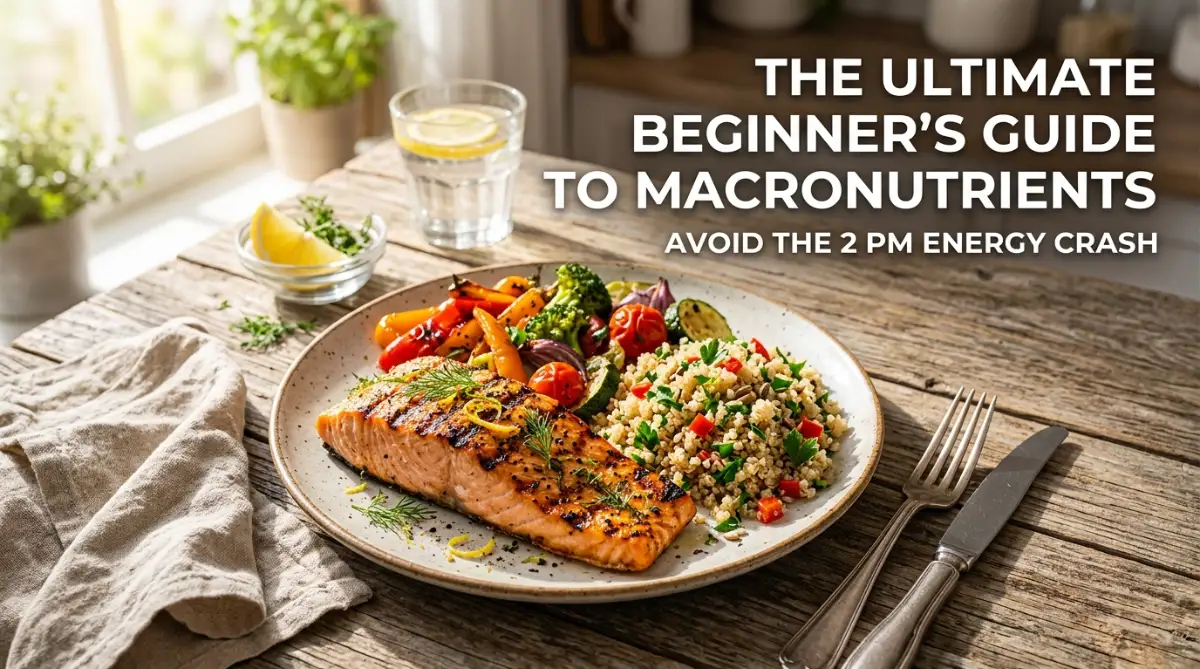
Why I Used to Crash at 2 PM Every Single Day (And How I Fixed It)
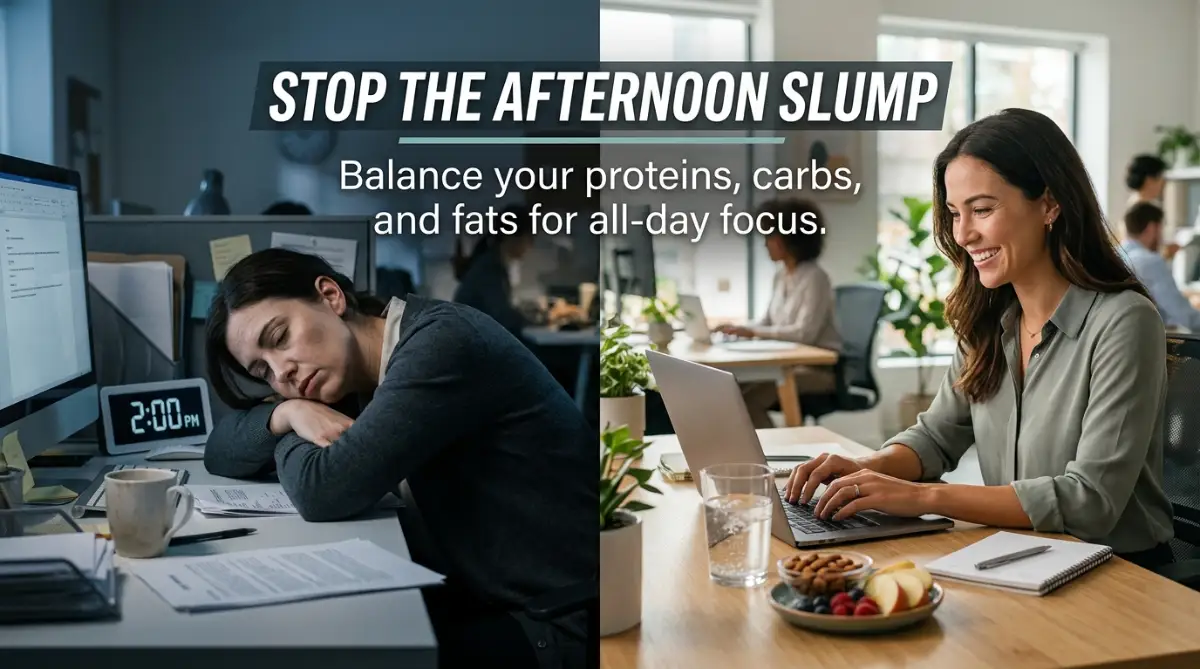
I remember staring at my computer screen, barely able to keep my eyes open. It was exactly 2:30 PM, and my brain felt like it was wrapped in a thick fog. Every single afternoon, I experienced a massive energy drop that completely ruined my productivity. I would instantly reach for a giant cup of sweet coffee just to survive the rest of the workday. My mornings started out great, but by the time lunch was over, I felt completely drained and exhausted. I thought there was something physically wrong with my body. It took me a long time to realize that my energy problem was entirely caused by what was on my lunch plate.
If you are reading this right now, I know exactly how frustrating it feels to run out of energy halfway through the day. You wake up feeling decent, maybe have a quick breakfast, and go about your tasks. But eventually, that sudden wall of exhaustion hits you out of nowhere.
You find yourself yawning during important meetings or struggling to play with your kids after work. This constant lack of energy makes everyday tasks feel incredibly difficult and stressful. It steals your focus, ruins your mood, and leaves you feeling completely burned out before dinner time.
Many people think that getting tired in the afternoon is just a normal part of getting older. They blame their busy schedules or accept that feeling sluggish is just how life works. But living on a rollercoaster of energy highs and lows is incredibly damaging to your mental peace. You constantly feel like you are fighting against your own body just to stay awake.
The truth is, your body is begging for the right kind of fuel. When you eat random meals without thinking about what they are made of, you confuse your system. You are basically trying to run a high-performance sports car on the cheapest, lowest-quality fuel you can find.
The Science of Keeping Your Engine Running Smoothly
Once I understood how the human body actually breaks down food, everything changed for me. Think of your body as a burning campfire. If you throw a handful of dry leaves into a fire, it will create a huge, bright flame for a few seconds. But almost immediately, that fire will die out and leave you with nothing but smoke.
That is exactly what happens when you eat a meal made entirely of fast-digesting foods, like a giant bowl of plain pasta or sugary snacks. Your blood sugar shoots straight up, giving you a quick burst of fake energy. A few hours later, your blood sugar plummets back down, causing that terrible afternoon crash.
To build a campfire that burns warmly all night long, you need a mixture of small twigs, medium-sized branches, and large, thick logs. In the world of human nutrition, we call these components macronutrients. They are the three main suppliers of energy for your entire system.
When you learn how to balance carbohydrates, proteins, and fats in a single meal, you give your body a steady, slow-burning source of power. You stop the extreme blood sugar spikes completely. This means you stay alert, focused, and totally energized from the moment you wake up until you go to sleep.
Pro Tip: I used to think eating a massive bowl of plain rice with a tiny piece of chicken was healthy because it was low in fat. I quickly realized this imbalance was the exact reason I felt sleepy right after lunch. Now, I always make sure my plate is equally balanced, and the dreaded food coma is completely gone!
Want to See How This Works Inside Your Body?
If you are a visual learner, I found this incredible breakdown that shows exactly how your body processes a balanced meal to create endless energy.
The Three Pillars of Your Daily Fuel
To fix your energy levels, we need to look at the three primary categories of food. Every single thing you eat is made up of these building blocks. When you combine them correctly, they work together as a perfect team. Let us break down exactly what they are and how to use them to your advantage.
Carbohydrates: Your Fast-Acting Brain Fuel
Carbohydrates have a really bad reputation in the modern diet world. Many popular diets tell you to cut them out completely if you want to be healthy. This is incredibly misleading and actually dangerous for your long-term energy levels. Carbs are your brain's absolute favorite source of fuel.
Without them, you will likely feel moody, foggy, and easily irritated. The secret is not to stop eating carbs, but to choose the right kind of carbs. We can divide them into two very different categories.
Simple carbs are the "dry leaves" of our campfire analogy. These include things like white bread, sugary pastries, sodas, and candy. Your body breaks them down almost instantly. They dump a massive amount of sugar into your bloodstream all at once.
Complex carbs are the "medium branches" that burn at a steady, reliable pace. These are foods like sweet potatoes, brown rice, whole oats, and quinoa. Because they are packed with fiber, your stomach has to work much harder and longer to digest them. This slow digestion process releases energy into your bloodstream in a highly controlled manner.
If you want to stay awake all afternoon, you must swap your simple carbs for complex ones. A lunch of sweet potatoes and beans will keep you going for hours. A lunch of white pizza and soda will send you straight to the couch for a nap.
Proteins: The Muscle and Satiety Builders
While carbs provide the direct energy, protein serves a completely different but equally important purpose. Every single cell in your body is built using protein. It repairs your muscles, grows your hair, and keeps your immune system fighting off sickness. But when it comes to daily energy, protein has a secret superpower.
Protein slows down the digestion of your entire meal. If you eat an apple by itself, the sugar in that fruit will digest fairly quickly. But if you pair that apple with a handful of almonds or some Greek yogurt, the protein changes the game entirely.
It acts like a speed bump in your stomach. It forces the sugar from the apple to enter your bloodstream at a much slower rate. This combination prevents the aggressive blood sugar spike that ruins your afternoon.
Healthy Fats: The Long-Lasting Powerhouse
For decades, people were terrified of eating fat because they thought it would instantly make them overweight. We now know that healthy fats are absolutely essential for a properly functioning human body. Fats are the "thick logs" of your internal campfire.
They contain more than double the amount of energy per gram compared to both carbs and protein. Your brain is actually made up of nearly sixty percent fat. Without a steady supply of healthy fats, you will experience terrible brain fog and memory issues.
Fats take the longest amount of time to digest out of all the macronutrients. Because of this, they are incredibly good at keeping you full for a very long period. Adding a slice of avocado or a spoonful of olive oil to your salad ensures you will not feel hungry an hour later.
Myth vs Reality: Breaking Down Food Lies
There is so much confusing information floating around the internet about what you should and should not eat. It is incredibly easy for a beginner to feel completely overwhelmed. Let us clear up some of the most common misunderstandings right now.
Myth: Eating fat directly makes you gain body fat immediately.
Reality: Eating more calories than your body burns is what causes weight gain. Healthy fats actually help you eat less overall because they keep you feeling satisfied.
Myth: You must weigh all your food perfectly on a digital scale to see results.
Reality: While measuring can be helpful, you can achieve amazing results just by using simple visual portion control on your plate.
Myth: Carbs make you tired and sluggish.
Reality: Eating a massive amount of refined, sugary carbs by themselves will make you crash. Eating complex, fiber-rich carbs paired with protein will actually boost your stamina.
A Simple Comparison to Guide Your Choices
To make things incredibly simple to understand, let us look at a quick comparison of how these three fuel sources function in your body.
How to Build the Perfect Energizing Plate
Now that you understand what these nutrients do, you need to know how to put them together in the real world. You do not need a degree in nutrition to build a meal that keeps you energized. You just need to follow a very simple visual formula every time you sit down to eat.
Imagine looking down at an empty round dinner plate. I want you to draw a completely imaginary line right down the middle, splitting the plate into two equal halves. Take one of those halves and fill it entirely with colorful, non-starchy vegetables.
We are talking about spinach, broccoli, bell peppers, carrots, or cucumbers. These vegetables are loaded with vitamins, minerals, and water. Most importantly, they are packed with dietary fiber that keeps your digestion running smoothly.
Now you have the other half of your plate remaining empty. I want you to split that remaining space into two equal quarters. Fill the first quarter with your preferred source of complex carbohydrates. This could be a scoop of wild rice, roasted potatoes, or whole-grain pasta.
Fill the final remaining quarter with a high-quality source of lean protein. A piece of grilled fish, a couple of hard-boiled eggs, or a generous scoop of black beans works perfectly.
Finally, you need to add your healthy fats. You do not need a huge portion of fat because it is very dense in energy. Simply drizzle a tablespoon of extra virgin olive oil over your vegetables, or add a quarter of an avocado to the side of the plate.
Understanding the Power of Dietary Fiber
You might have noticed that I have mentioned fiber a few times already. While fiber is technically classified as a carbohydrate, it behaves very differently in your digestive system. Your body actually cannot digest fiber completely.
Instead of breaking down into sugar, it passes through your stomach and intestines relatively intact. This creates a powerful sweeping effect that cleans out your digestive tract. But its biggest benefit is how it controls the absorption of the other foods you just ate.
If you drink a glass of orange juice, the natural sugars hit your system immediately because the fiber has been removed. If you eat a whole orange, the fiber trapped in the pulp forces your body to work for that sugar. You get a steady release of sweetness rather than a massive shock to your system.
When you build your plate using the method I described above, you naturally guarantee a high intake of fiber. This is the ultimate secret weapon for anyone trying to fix their afternoon energy slumps.
The Sneaky Role of Hydration in Energy Levels
We cannot talk about balancing your food without briefly discussing water. Many people believe they are suffering from an energy crash due to their food, when they are actually just severely dehydrated. Your body needs water to process all the healthy macros you are now eating.
If you do not drink enough water, your blood literally becomes thicker. Your heart has to pump much harder to push that thick blood to your brain and muscles. This extra effort drains your energy reserves incredibly fast.
Before you assume your macros are out of balance, drink a large glass of water. Sometimes, that sleepy feeling at your desk is just a cry for hydration. Aim to drink water consistently throughout the morning to keep your digestion working flawlessly.
Recognizing Your Body's Unique Signals
One of the most amazing things about the human body is how clearly it talks to you. You just need to learn how to listen to the signals. If you finish a meal and feel like you need a nap thirty minutes later, your meal was likely way too high in simple carbs.
If you finish a meal and find your stomach growling loudly just an hour later, you probably forgot to include enough protein or healthy fats. Your body is highly intelligent and will always tell you what it needs.
It takes a little bit of practice to figure out your perfect balance. A construction worker who spends eight hours a day doing heavy physical labor will need a much larger portion of complex carbs than someone sitting at an office desk.
Do not be afraid to adjust your portions based on how you feel. If you feel slightly hungry too quickly, add a little more fat to your next meal. If you feel uncomfortably full and heavy, reduce the portion of carbs slightly next time.
Balancing your macronutrients is not about perfection or restricting your favorite foods. It is simply about giving your engine the right combination of fuel so you can live your daily life without constantly feeling exhausted.
By taking a few extra seconds to look at your plate and ensuring all three macronutrients are present, you are setting yourself up for success. You will be amazed at how quickly your brain fog lifts and how productive your afternoons will become.
Beyond the Basics: Mastering Your Daily Nutrition Strategy
Once you understand the basic formula for your daily meals, it is time to look at a few advanced strategies that keep your progress completely natural and stress-free. You do not want to become someone who nervously calculates every single bite of a sandwich at a family dinner. The true secret to long-term success is building a highly flexible routine that fits seamlessly into your busy life.
One of the smartest habits you can build is learning how to adjust your plate based on your daily physical activity. Think of your body exactly like a smartphone battery. On days when you are running errands, going to the gym, or doing heavy yard work, your battery drains incredibly fast.
During these high-activity days, you need a larger portion of complex carbohydrates to keep your engine running smoothly. You can safely add an extra scoop of sweet potatoes or brown rice to your lunch plate. According to insights from the Harvard T.H. Chan School of Public Health on carbohydrate quality, picking fiber-rich sources prevents blood sugar spikes even when you eat slightly larger portions.
However, on days when you are just sitting on the couch watching movies or working at a desk, your body requires much less direct fuel. On these lazy days, you should naturally reduce your carbohydrate intake and increase your healthy fats and vegetables. Just like you would focus on giving every dollar a purpose in your budget, you want to make sure every calorie on your plate serves a specific purpose for your current activity level.
Another highly effective trick is mastering the art of the "buffer meal." Life is incredibly unpredictable, and sometimes you will find yourself stuck at a fast-food restaurant with friends or family. Instead of panicking and breaking your healthy streak, simply look for the protein and fiber on the menu.
You can order a grilled chicken sandwich and swap the fries for a simple side salad. This small adjustment instantly balances the meal, giving you the protein and fiber needed to slow down your digestion. You can still enjoy social events without suffering from a terrible food coma an hour later.
I also highly recommend changing how you look at your morning coffee routine. Most people treat their morning latte as a harmless drink, completely ignoring the massive amounts of liquid sugar hidden inside. If you start your day with a heavily sweetened coffee on an empty stomach, you are immediately setting yourself up for an afternoon disaster.
Instead, try drinking your coffee after you have eaten a breakfast that contains protein and healthy fats, like scrambled eggs with spinach. The solid food acts as a protective shield in your stomach. It stops the caffeine and sugar from hitting your bloodstream too aggressively, which prevents the awful mid-day energy crash completely.
If you want more practical advice on building better daily habits, you can always explore our main lifestyle guides over at our primary journal hub. Developing these small, manageable habits will make healthy eating feel completely automatic.

The Hidden Traps That Destroy Your Afternoon Energy
Even when you have the best intentions, it is incredibly easy to fall into a few hidden nutritional traps that quietly ruin your stamina. One of the most painful mistakes I see beginners make is the "naked carbohydrate" trap. This happens when you eat a carbohydrate entirely by itself as a quick snack.
For example, grabbing a plain apple or a dry rice cake might seem like a perfectly healthy choice when you feel slightly hungry. But without any protein or healthy fats to slow down digestion, that naked carb turns into sugar extremely fast. According to detailed research from the National Institutes of Health regarding glycemic control, eating carbohydrates by themselves leads to rapid glucose fluctuations.
You will get a quick burst of energy for about twenty minutes, and then you will feel even more exhausted than before. You can easily fix this by pairing that apple with a spoonful of almond butter or a small handful of walnuts. The added fat completely changes how your body processes the snack, keeping you stable and focused.
Another massive pitfall is falling victim to the modern fear of dietary fats. Many people try to eat meals consisting only of dry chicken breast and steamed broccoli because they think fat makes them gain weight. This aggressive restriction completely deprives your brain of its most preferred, long-lasting energy source.
When you skip healthy fats, you usually end up feeling hungry, irritated, and miserable just an hour after your meal. Living with this constant feeling of hunger completely destroys your mental peace and makes you want to quit your healthy habits altogether. Ignoring your body’s need for healthy fats is like ignoring financial red flags; eventually, you will have to learn how to fix a damaged credit score without falling for scams, or in this case, repair a broken metabolism.
Finally, do not underestimate the extreme danger of severe dehydration masquerading as hunger. Many times, you might feel a sudden drop in energy at 3 PM and instantly assume you need a sugary snack. In reality, your body is simply begging for a tall glass of water.
When you are dehydrated, your blood volume drops, and your heart has to work much harder to deliver oxygen to your brain. This mechanical strain makes you feel incredibly sluggish, sleepy, and confused. Keeping a large water bottle at your desk and sipping it constantly is the easiest way to avoid this fake energy crash entirely.
Your Action Plan for Endless Daily Stamina
We have covered a lot of ground today, but the core message is incredibly simple and highly effective. You do not need to starve yourself, and you definitely do not need to give up the foods you genuinely love. You just need to become a little more strategic about how you combine them on your plate.
Start by taking a long, honest look at your current breakfast. If you are starting your morning with a bowl of sugary cereal or a plain bagel, you are basically planning to fail before you even leave the house. Swap that out for a meal that heavily features protein and fiber, like a spinach omelet or Greek yogurt with chia seeds.
This one simple morning change will dramatically stabilize your blood sugar for the rest of the day. You will stop experiencing those extreme hunger pangs that make you reach for junk food in the office breakroom. You will suddenly realize that you have the mental clarity to focus on your work without needing three cups of coffee.
When you sit down for lunch and dinner, always remember the simple visual plate formula we discussed earlier. Fill half the plate with colorful vegetables, one quarter with complex carbs, and the final quarter with lean protein. Add a tiny splash of healthy fats, and you have built the ultimate energy-boosting meal.
Taking control of your nutrition gives you a massive advantage in every single area of your life. It is very similar to discovering how to force your bank to lower your personal loan rates because you are finally getting the absolute maximum value out of your daily resources. You will have more patience with your family, more creativity at your job, and a much better mood overall.
Protecting your physical energy is just as important as protecting your sensitive data with strong encryption. You are actively building a strong, impenetrable defense system against exhaustion and burnout.
Common Questions About Sustaining Your Energy
Do I need to track every single macro to get results?
No, you absolutely do not need to weigh your food or track every single gram to see amazing improvements in your energy. Simply using the visual plate method and making sure you have a protein, a carb, and a fat at every meal is more than enough for beginners.
What should I eat right before a workout for maximum energy?
If you are eating right before a workout, you want a fast-digesting complex carbohydrate that will not sit heavily in your stomach. A banana or a small piece of sourdough bread is perfect for giving your muscles quick fuel without causing stomach cramps.
Can I still eat dessert while balancing my macros?
You can definitely still enjoy desserts, but the secret is to eat them immediately after a fully balanced, protein-heavy meal. The protein and fiber from your dinner will help slow down the absorption of the sugar from your dessert, preventing a massive blood sugar spike.
Why do I feel hungry immediately after eating a big salad?
If your salad only contains leafy greens and a light dressing, it completely lacks the protein and complex carbs needed to keep you full. Always add grilled chicken, beans, or quinoa to your salads to ensure they provide lasting, stable energy.
How long does it take to see an improvement in my energy levels?
Most people notice a dramatic difference in their afternoon energy levels within the very first two to three days of balancing their meals correctly. As your blood sugar stabilizes, your brain fog will lift almost immediately.
A Final Word on Reclaiming Your Energy
I remember exactly how hopeless I felt when I was dragging myself through the workday, completely exhausted by 2 PM. Changing how I built my plate felt a little strange at first, but getting my natural energy back changed my entire life. I know that if you start applying these simple meal combinations today, you will wake up tomorrow feeling stronger, sharper, and ready to conquer your goals!
Disclaimer: The information provided in this blog post is for educational and informational purposes only and is not intended as medical advice. Always consult with a qualified healthcare professional or registered dietitian before making any significant changes to your diet, especially if you have underlying medical conditions.
![7 Silent Signs You Lack Micro-Minerals [Step-by-Step Fix]](https://naxusjournal.com/storage/uploads/blogs/1785613424_7-silent-signs-you-lack-micro-minerals-step-by-step-fix.webp)