

The Day We Almost Lost Everything: My Hardest Lesson in Startup Intellectual Property
I still remember the morning I opened my laptop and felt my stomach drop to the floor. A former advisor had just launched a product that looked exactly like my software.
I had spent eighteen months of sleepless nights and poured my life savings into building that tool. Because I trusted them, I never asked them to sign any official paperwork.
That simple mistake almost destroyed my entire business before we even launched. I felt completely helpless, embarrassed, and unsure of how to pick up the shattered pieces of my dream.
Many founders face this exact nightmare every single day without warning. You put your heart and soul into a fresh idea, only to see someone else steal it and take the credit.
This constant fear makes you lose sleep and ruins your mental peace. You stop trusting your team, your partners, and even your closest friends, which makes you feel isolated.
The stress can feel so heavy that you start doubting your ability to lead. It is not just about the money you might lose, but the deep pain of losing control over your own creative vision.
How to Shield Your Assets: A Simple Guide to IP Risk Management
To protect your business, you must first understand what you actually need to guard. Your intellectual property is the heart of your company.
It's the unique code you wrote, the beautiful logo you designed, and the special way you solve a customer's problem. If you don't claim ownership of these things, anyone else can walk away with them.
Think of your startup as a new house in a busy neighborhood. You wouldn't leave the front door wide open with all your valuables sitting on the living room table.
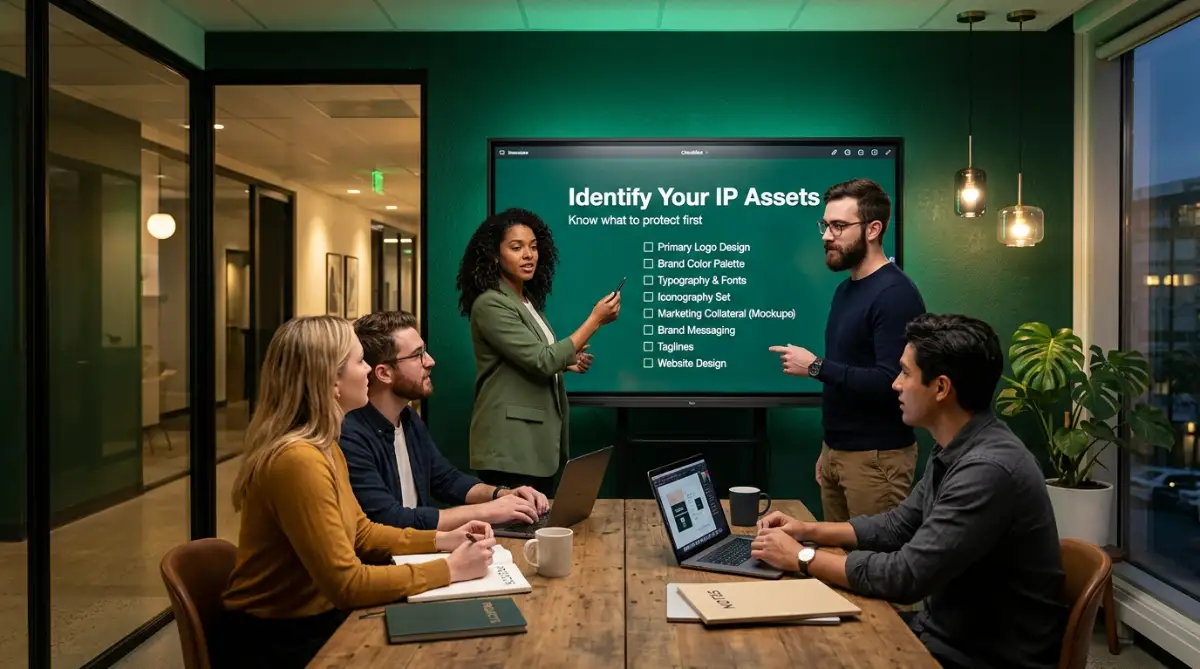
Before you can protect anything, you need to know exactly what you own. Sit down with your team and make a complete list of every creative asset.
This list should include your software code, your brand name, your customer lists, and your unique product designs. Many founders forget to write down their secret processes or internal guides.
Once you have this list, group them into categories so you can apply the right legal tools. This simple exercise gives you a clear view of your business value.
Every person who works with you must sign an agreement before they touch your project. This includes your co-founders, your employees, and any freelance helpers you hire.
A clear contract states that the work they do belongs entirely to your startup. Without this paperwork, a freelancer might legally own the code they wrote for you.
Keep these agreements simple, honest, and easy to understand for everyone involved. It builds a healthy relationship based on trust and clear boundaries.
Pro Tip: I learned this the hard way when our first designer walked away with our early logo sketches. Now, I never let anyone start work without a clear written agreement. This simple habit saves time, money, and unnecessary worry.
Don't wait until your business is famous to register your intellectual property. The registration process can take time, so starting early is a smart move.
You should apply for trademarks on your brand name and logo to stop others from using them. If you have a unique physical invention, look into the process of getting a patent.
For your written content, software code, and visual designs, use copyright protections to secure your ownership. These official registrations act as a strong shield in the business world.
Physical locks are great, but most startup assets live in the digital world. You must limit who has access to your secret files and core software code.
Use strong, unique passwords for every business account and turn on two-factor authentication. Share your files only with the specific people who need them to do their daily jobs.
When an employee leaves your company, make sure to turn off their digital access immediately. These simple security habits prevent accidental leaks and keep your ideas safe.
Want a deeper look at how to protect your brand? Watch this simple breakdown of the best security habits for growing startups.
Protecting your startup doesn't stop after you register your assets. You've got to actively watch the market to make sure no one's using your brand.
Set up free internet alerts for your brand name and your main product terms. If you find a copycat, address the issue quickly before it hurts your business reputation.
Sometimes, a polite message is all it takes to resolve a misunderstanding. Being active shows the world that you take your business security seriously.
Many new founders believe that intellectual property protection is only for giant tech companies. This is a dangerous myth that leaves small businesses open to easy attacks.
Another common mistake is believing that a simple handshake agreement is enough to secure your rights. In the business world, if it isn't written down on paper, it doesn't exist.
Finally, don't assume that buying a web domain means you own the trademark for that name. Take the extra step to check official registries and secure your brand properly.
When your business begins to grow, simple steps aren't enough anymore to keep copycats away. You need to think like a seasoned security expert.
One excellent method is setting up a clean development space for your builders. This means your team writes new software code in an environment completely isolated from external materials.
It ensures that no competitor can ever claim you stole their work or used their private designs. By keeping clean records of your source code creation, you build a solid shield of proof.
Another smart approach is to conduct regular internal asset audits. Every three months, look closely at what new things your team has created.
You might find that you have designed a new logo, built a new tool, or written a unique piece of software. Adding these to your official registry quickly keeps your business protected as you scale up.
Working with overseas contractors is another area where you must be extremely careful. Many local contracts do not work the same way in other countries.
You should always check international laws to make sure your agreements are legally binding across borders. The World Intellectual Property Organization provides excellent resources on how different countries handle these rights.
Additionally, think about your online files and where you keep your most sensitive work. Storing your source code or customer lists on unsecure shared drives is a massive safety threat.
Before you upload anything, understanding