
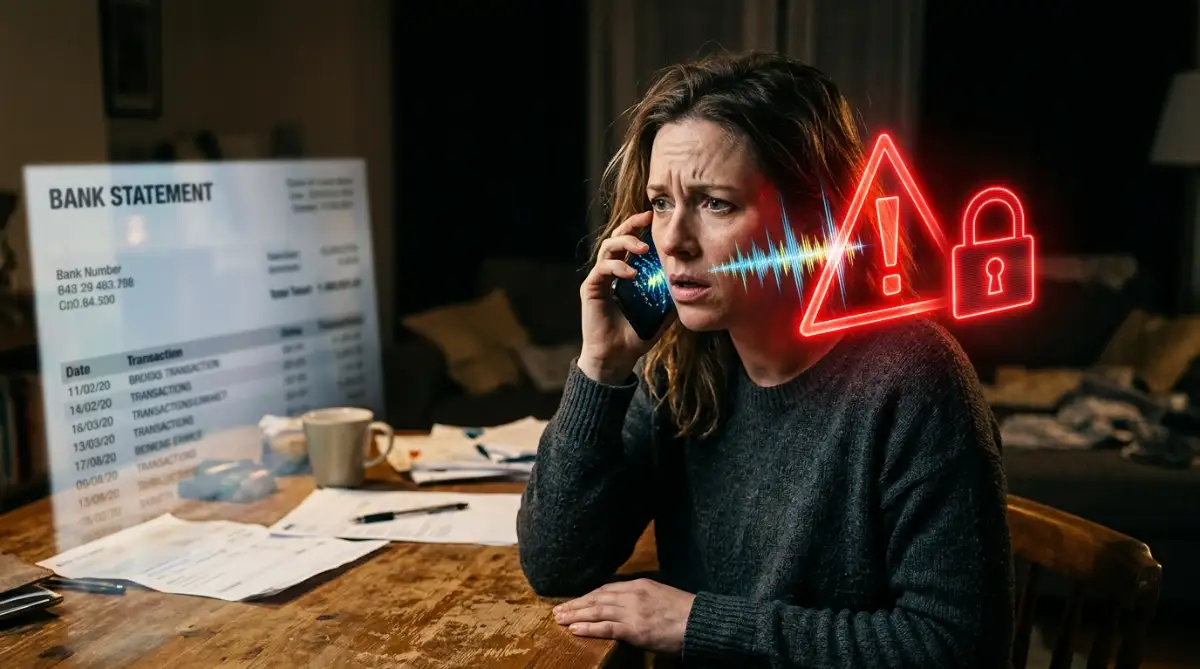
The Terrifying Reality of the New Phone Hustle
The phone rings late at night. You glance at the screen. It's your daughter's number.
You answer, expecting a quick question about her weekend plans. Instead, you hear frantic crying.
She's panicked, saying she's been in a terrible accident and needs money wired for bail immediately. Her voice is cracking, desperate, and unmistakably hers.
Your heart drops. Your instinct is to act fast and send the cash.
But stop. Take a breath. That might not be your daughter at all.
You're likely dealing with the terrifying new wave of AI voice cloning scams. Fraudsters are now using artificial intelligence to perfectly mimic the voices of people we love.
They use this emotional manipulation to drain bank accounts before the victims even realize what hit them.
This isn't some futuristic sci-fi movie plot. It's happening right now, to regular families every single day.
The technology has gotten so cheap and accessible that a scammer doesn't need to be a brilliant hacker. They just need an internet connection and a complete lack of morals.
But don't panic. You don't need a computer science degree to fight back.
We can completely neutralize their efforts by changing a few simple habits and understanding exactly how they operate.
Once you know their playbook, they lose all their power.
The AI Voice Scam Quick Summary
Short on time? Here's exactly how to protect your finances right now:
- Establish a Family Safe Word: Pick a random, unrelated word. If a loved one calls demanding money, ask for the word. If they can't provide it, hang up.
- The Hang Up and Call Back Rule: Always disconnect the suspicious emergency call immediately. Dial the person back using the exact number you have saved in your contacts.
- Lock Down Your Social Media: Scammers steal voice samples from your public videos. Make your Instagram, TikTok, and Facebook accounts private today.
- Beware of Weird Payment Methods: Real authorities won't ever ask for bail money via gift cards, wire transfers, or cryptocurrency.
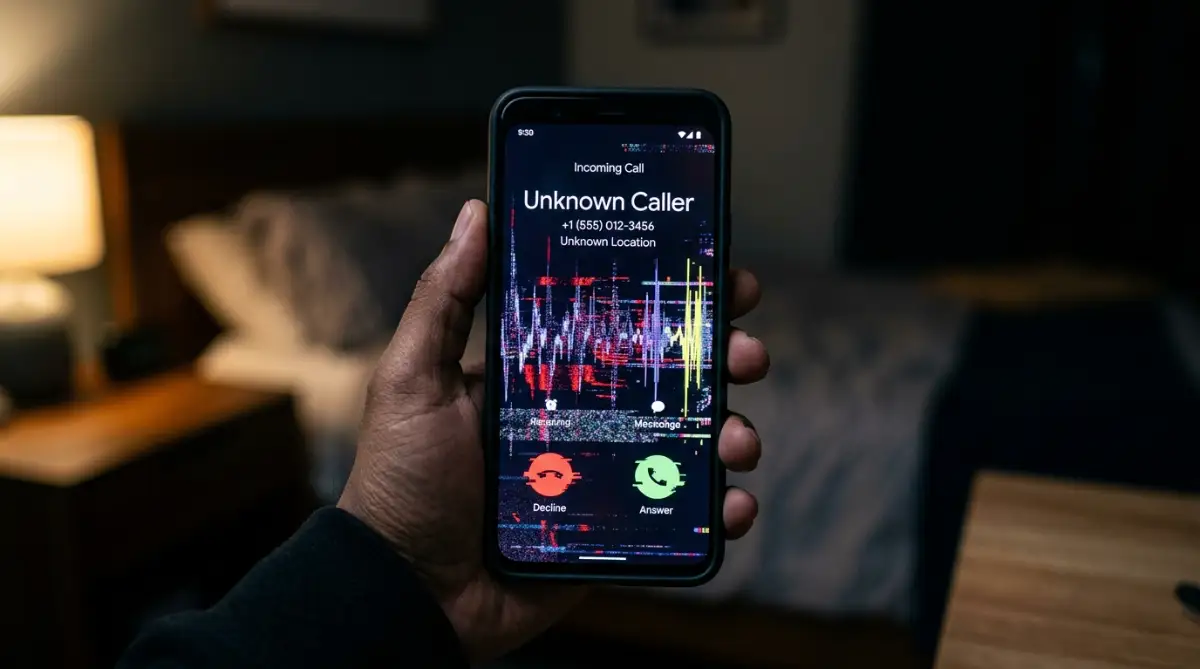
Unmasking the Enemy: How They Steal Your Voice
To defend your bank account, you first need to understand how the trick actually works.
Many people mistakenly believe that scammers need hours of recorded audio to clone a voice. That used to be true, but not anymore.
Today's AI software is terrifyingly efficient. A fraudster only needs about three seconds of clean audio to create a near-perfect digital replica of your voice.
Think about that for a second. Just three seconds.
Where do they get this audio? From you. From us.
We freely hand it over every single day on social media platforms.
That funny TikTok you posted talking to your dog? That's a perfect sample.
The Instagram story where your spouse is wishing someone a happy birthday? That's pure gold for a scammer.
They scrape these short video clips, feed them into their cloning software, and type out whatever script they want the cloned voice to say.
The AI then generates the audio, matching the tone, pitch, and even the emotional inflection of the original speaker.
Next, they use basic caller ID spoofing tools to make the incoming call look like it's coming from your loved one's actual phone number.
When you combine a familiar phone number with an identical voice in a high-stress situation, human logic completely shuts down.
Fear takes over. And that's exactly the moment they ask you to empty your savings account.
Spotting the Differences: Old vs. New Tactics
The way criminals operate has shifted dramatically. Here's a quick breakdown of how these new threats compare to the old ones we're used to.
The Action Plan: Defending Your Hard-Earned Money
Now that we know how the trap is set, let's talk about how to walk right past it.
You hold all the cards here. By putting a few simple barriers in place, you make yourself a terrible target for financial fraud.
Scammers are lazy. They want easy victims. If you show even a tiny bit of resistance, they usually hang up and move on to the next person.
Let's break down the most effective, immediate actions you can take today.
Step 1: Create a Bulletproof Family Safe Word
This is the single most powerful weapon you have against audio deepfakes.
You and your immediate family members need a secret code word. It costs nothing, takes five minutes to set up, and guarantees absolute verification.
When that frantic call comes in demanding wire transfers, you simply interrupt the caller.
Say something like, "I want to help, but before I go to the bank, tell me our safe word."
If it's an AI clone or a scammer typing on a keyboard, they will stall. They might try to guilt-trip you by crying louder or acting offended that you're questioning them during an emergency.
Don't buy it. No safe word means no money. Period.
Pro Tip: Never pick an obvious safe word like "password," a pet's name, or a favorite sports team. Scammers can find those details on your Facebook page. Pick something entirely random and out of context, like "yellow submarine" or "rusty toaster."
Step 2: The Immediate Call-Back Strategy
Let's say you haven't set up a safe word yet, and you get one of these terrifying calls.
The scammer's entire strategy relies on keeping you on the phone. They want to isolate you so you can't verify their story.
They will insist you stay on the line while you drive to the bank or buy those ridiculous gift cards.
Your counter-move is incredibly simple: Hang up the phone.
Just end the call.
Then, immediately pull up your contacts and dial the actual phone number you have saved for that loved one.
Want to hear exactly what these fake calls sound like? Watch this short breakdown of a real-world AI voice scam attempt and how to spot the audio glitches:
Nine times out of ten, your actual family member will pick up, completely confused, sitting safely at home or at work.
The moment you hear their real, calm voice, the spell is broken. You've just saved yourself thousands of dollars.
Even if they don't answer right away, do not send money. Call another family member. Call their workplace. Break the isolation.
Remember, scammers use urgency as a weapon. Forcing a pause is your best defense.
Step 3: Starving the AI of Your Data
If you want to stop a fire, you have to remove the oxygen.
In the case of voice cloning, your public social media profiles are the oxygen.
You need to severely limit who can hear your voice and see your family connections online.
Go into the privacy settings of your Instagram, TikTok, Facebook, and X (formerly Twitter) accounts right now.
Change your profiles from "Public" to "Private."
This ensures that only people you actually know and approve can view your videos and hear your voice.
Also, take a hard look at your connections. Scammers figure out who to impersonate by looking at who you interact with most online.
If your Facebook page publicly lists "Jane Doe" as your daughter, and your profile is wide open, you are basically handing the fraudster a blueprint.
Hide your friends list. Hide your family relationships.
The less a stranger knows about your life, the harder it is for them to manipulate you.
It might feel annoying to lock down your accounts, but think of it as installing a digital deadbolt on your front door. It's a minor inconvenience that prevents a massive disaster.
Taking Control: Advanced Device and Account Protection
Step 4: Device-Level Call Screening (iOS vs. Android)
Scammers completely rely on getting through to you. If their fake emergency call gets blocked before your phone even rings, their expensive AI voice tech is entirely useless.
Make sense?
Both Apple and Google offer incredible, built-in tools to filter out suspicious callers automatically. But there's a catch. You have to turn them on manually.
Here's exactly how to set up your digital barriers today.
For iPhone (iOS) Users:
Open your settings app and scroll down until you find "Phone". Tap it.
Look for the option labeled "Silence Unknown Callers" and toggle that switch on.
This simple feature sends any phone number that isn't already saved in your contacts list straight to voicemail. Your phone won't even ring. If it's a genuine emergency, your loved one will leave a voicemail or immediately text you.
For Android Users:
Google’s call screening process is slightly different but highly effective at stopping robocalls and spoofed numbers.
Open your standard "Phone" app. Tap those three little dots in the top right corner, then tap "Settings."
Find "Spam and Call Screen" and turn on the "See caller and spam ID" feature. You can also configure it to automatically decline known spam numbers, keeping your phone completely silent when fraudsters try to connect.
Step 5: Disable Bank "Voice Print" Verification
Several years ago, massive financial institutions introduced voice biometrics. They allowed customers to log into their banking accounts over the phone just by speaking a specific phrase.
It seemed like a brilliant idea back then. Today? It's a massive security vulnerability.
Since modern AI can now perfectly mimic your specific tone, pitch, and accent, a voice ID is essentially a broken lock on your digital front door.
Call your bank's customer service line immediately.
Ask the representative to completely disable "Voice Print" or "Voice ID" on your entire profile. Ask them to replace it with a traditional text-based PIN or, even better, an authenticator app.
Step 6: The Damage Control Protocol
Sometimes panic wins. We're only human, right?
You answered the phone, got completely terrified by the crying voice, and maybe gave out some information before realizing something felt wrong.
Don't beat yourself up. We just need to move incredibly fast to limit the damage.
The very first thing you do is freeze your credit cards and lock your bank accounts through your mobile banking app. Then, you need to warn your circle.
Here is a ready-to-use text message template. Copy this and send it to your family group chat right now if you suspect your voice or theirs has been compromised:
Family Scam Alert Message Template:
"Hey everyone. I just received a suspicious phone call that used an AI cloned voice of a family member. Please do not accept any phone calls from 'me' asking for money, gift cards, or wire transfers. If I call you with a sudden emergency, hang up immediately. Text me here or call me back on this exact number to verify it's really me. Let's pick a family safe word today."
The Ultimate Do's vs. Don'ts: Voice Phishing Edition
When you're caught in the heat of the moment, it's easy to forget the basics. Keep this quick checklist in mind.
Costly Pitfalls & Critical Traps to Avoid
The biggest mistake regular folks make is trusting their own ears.
We are biologically wired to respond instantly to the distressed cries of our children, spouses, or parents. Fraudsters weaponize this exact biological response.
When you hear panic on the other end of the line, yo