
The Day I Realized My Money Was Slowly Disappearing
Leaving your hard-earned money in an ordinary checking or savings account quietly drains your purchasing power every single month. While groceries, gas, and rent keep climbing, old-school banks give you pennies in return. In this guide, I will show you how moving your emergency cash into a high-yield savings account (HYSA) safely grows your money on autopilot—without risking a single dime in the stock market.
Most of us are taught to work hard, save money, and put it in a safe bank. But what we are rarely taught is that simply keeping money in a standard account is often a silent way to lose it.
Instead, ordinary people are waking up to a harsh reality. The cost of daily groceries goes up, rent increases, and fuel becomes more expensive. Yet, the money sitting in a traditional savings account stays exactly the same.
We often fear moving our money to unfamiliar places. Online banks can feel intimidating, and the complicated terms like APY or hidden fees make many of us want to just ignore the problem completely. But ignoring your money is the most expensive mistake you can make.
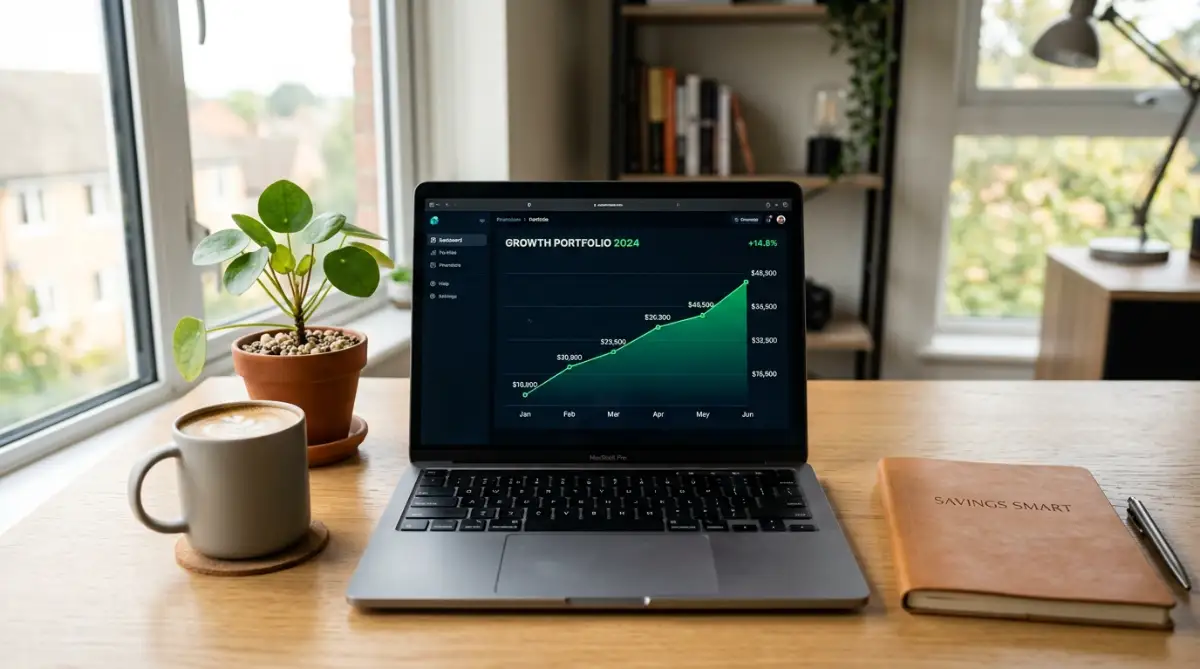
At a Glance: What You Need to Know First
- Traditional banks rob your time: Keeping cash in accounts that earn 0.01% guarantees inflation will eat away your wealth.
- High APYs make a real difference: Top online banks offer rates 400x higher because they don't pay for expensive physical brick-and-mortar branches.
- Safety remains 100% intact: High-yield accounts carry full government FDIC insurance up to legal limits, keeping your cash risk-free.
- Automation beats willpower: Set up automated deposits and sub-account buckets to build a solid emergency buffer effortlessly.
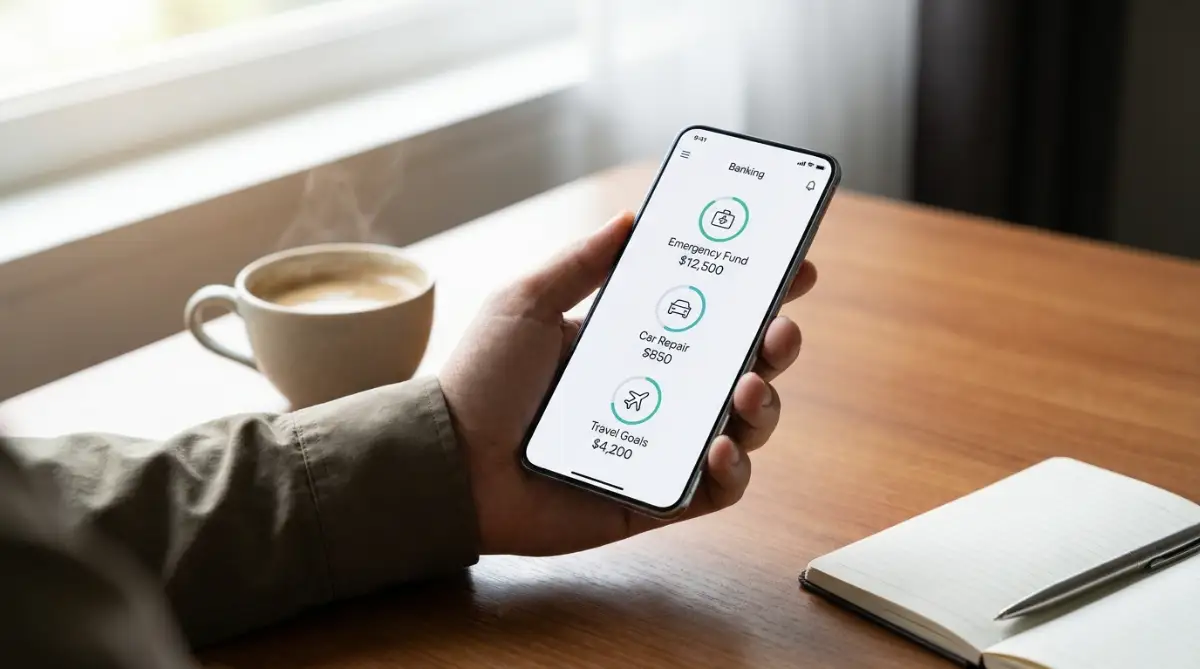
How Smart Savers Actually Multiply Their Cash Safely
To fix this problem, we need to look closely at how modern banking actually works. You do not need to be a financial expert to understand the basics of growing your cash safely.
The most effective solution for your daily savings is a high-yield savings account. Unlike the traditional bank on the corner of your street, these accounts are typically offered by online banks. Because online banks do not have to pay for physical buildings or thousands of local tellers, their operating costs are much lower.
They take those massive savings and pass them directly to you in the form of a higher annual percentage yield (APY).
The Science of Compound Interest Working for You
When you place your money in an account with a high yield, you unlock a mathematical advantage called compound interest. This simply means you earn interest on your original money, and then you earn even more interest on the interest you just gained.
Imagine rolling a small snowball down a long snowy hill. At first, it only picks up a little bit of snow. But as it keeps rolling, it gets bigger and bigger, picking up massive amounts of snow by the time it reaches the bottom.
This is exactly how compound interest works with your cash. A traditional bank gives you a snowball that barely rolls. A high-yield account gives you a steep hill and plenty of snow.
To see this math in real numbers, look at what happens to a $10,000 emergency fund left untouched across different account types:
That is an extra $1,400 earned simply by changing where your cash sleeps at night—no extra work required.
Over time, this math builds a solid wall of protection around your wealth. Best of all, as long as you choose a bank with FDIC insurance, your money is fully protected by the government up to legal limits. You get steady growth without taking on the risky swings of the stock market.

Beating the Silent Thief in Your Wallet
One of the biggest reasons you must manage your savings properly is to fight inflation. Inflation is the hidden force that makes things cost more over time.
If inflation is running high, and your bank pays you almost zero interest, the purchasing power of your money is actually shrinking.
Myth vs Reality:
- The Myth: Keeping cash in a regular checking or savings account is the safest thing you can do.
- The Reality: Keeping large amounts of uninvested cash in a regular account guarantees that inflation will slowly eat away its actual value.
By moving your idle cash to an account that pays a competitive rate, you help shield your money from this silent loss. While it might not completely beat extreme inflation, it acts as a very strong shock absorber for your finances.
Setting Up Automated Rules for Your Money
Managing an account properly means removing human emotion from the process. If you rely on your own memory to transfer money into savings every month, you will eventually forget or find an excuse to spend it instead.
The best strategy is to put your savings on autopilot. When your paycheck hits your main checking account, a specific percentage should automatically move to your high-yield account.
Watching your savings grow doesn't have to be complicated. Check out this quick visual guide on how compound interest works in your favor:
This simple strategy is often called "paying yourself first." By automating the process, you prioritize your future self before you have the chance to pay for unnecessary expenses.
You can easily set up these automatic transfers inside your banking app. Pick a day right after your payday, choose an amount you are comfortable with, and let the software do the heavy lifting for you.
The Strategy of Using Digital Savings Buckets
A common mistake people make is dumping all their saved money into one giant pile. When you look at your balance and see a large number, it is incredibly tempting to spend it on a vacation or a new gadget.
To manage your account effectively, you need to give every single dollar a clear job. This is where the "bucket strategy" comes in.
Many modern online banks allow you to create specific sub-accounts or folders within your main savings account. You can label these buckets based on your personal goals.
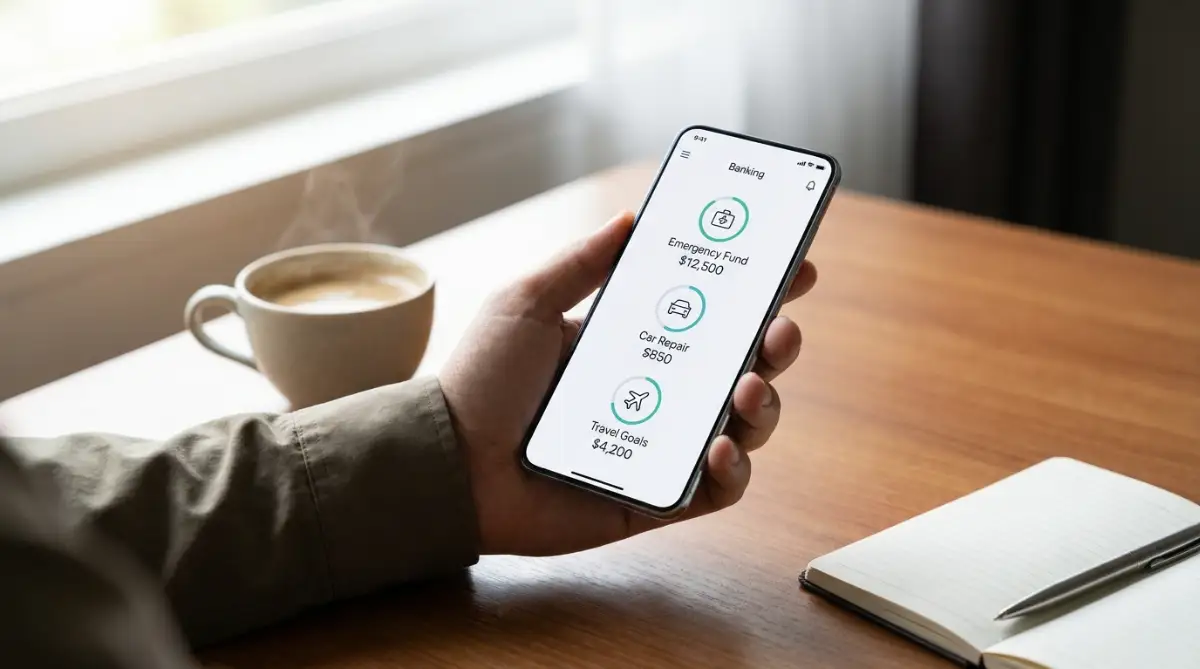
For example, you might have one bucket labeled "Emergency Fund," another labeled "New Car," and a third labeled "Annual Taxes."
I used to keep all my extra cash in one messy, unorganized account. I often dipped into my savings because I didn't know exactly what that money was meant for. Once I started organizing my account into specific digital buckets—one for car repairs and one for an emergency fund—I completely stopped spending it on random things because each dollar suddenly had a strict purpose.
When you visually separate your money this way, it creates a powerful psychological barrier. You are much less likely to steal money from your own "Emergency Fund" just to buy a new television.
Knowing the Hidden Rules and Limits
While these accounts are amazing tools for wealth building, you must manage them with open eyes. Every bank has specific rules that you need to follow to get the best benefits.
First, you need to check for minimum balance requirements. Some banks require you to keep a certain amount of cash in the account at all times to earn the highest advertised interest rate. If you drop below this number, your rate might fall, or you might be hit with a monthly maintenance fee.
Always look for accounts that clearly state they have zero monthly fees and no minimum balance requirements. They are very common today, so there is no reason to settle for an account that charges you just to hold your money.
Another rule to watch out for is withdrawal limits. Even though federal rules have relaxed recently, some banks still limit how many times you can transfer money out of your savings account each month. If you go over this limit, the bank might charge a penalty fee or even convert your savings account into a regular checking account.
Because of these limits, a high-yield account should never be used for daily expenses. It is a parking lot for money you want to grow safely, not a wallet for your everyday grocery shopping. By keeping your daily checking account and your high-yield savings account separate, you easily avoid these transaction limits while still enjoying the growth.
My Golden 2-Account Rule for Daily Life:
- Main Checking Account: Keep 1 month of living expenses here to pay rent, utilities, and daily swipe card costs.
- High-Yield Savings Account: Keep 3 to 6 months of living expenses here for unexpected car repairs, medical bills, or job loss safety nets.
Mastering the Art of Long-Term Wealth Growth
Once you have the basics down, you need a strategy to keep your money growing without demanding your constant attention. The most successful savers do not check their balances every single day. Instead, they build a system that naturally adapts to changing economic conditions.
One highly effective method is to treat your account like a moving target. Banks frequently change their interest rates based on national economic policies. The rate you signed up for today might not be the same rate you get a few months from now.
To stay ahead, make it a habit to do a quick market check every few months. You do not need to switch banks over a tiny fraction of a percent. However, if your current bank drops its rate significantly while competitors are offering much more, it is time to move your cash.
Expert Insight:
Think of your savings account like a cell phone plan. If your provider suddenly starts giving you less data for the same price while other companies offer better deals, you would switch immediately. Your money deserves that exact same standard of care.
When you build an emergency fund from scratch, where you store it becomes just as important as how much you save. A strong, competitive interest rate ensures that your financial safety net does not slowly rot away due to inflation.
Another advanced secret is fully understanding your protection limits. Government insurance is what makes these accounts so safe. By checking the official guidelines from the Federal Deposit Insurance Corporation (FDIC), you can ensure every penny is shielded up to their legal maximums per depositor. If you are lucky enough to save beyond those limits, simply opening a second account at a different bank keeps everything completely protected.
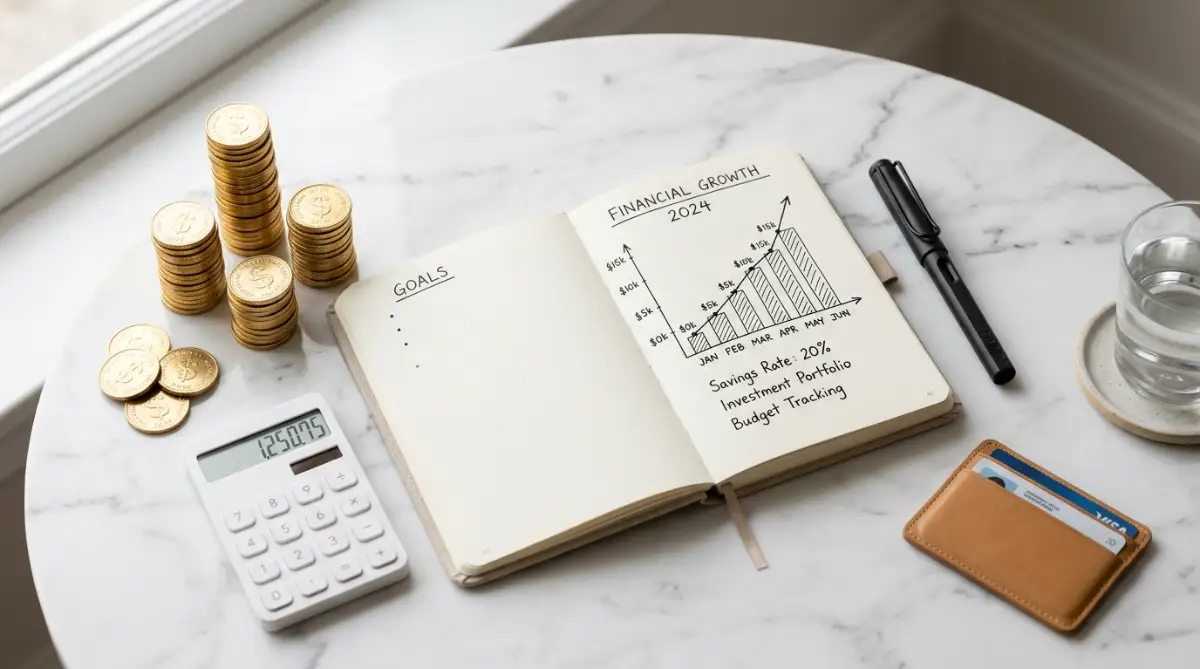
The Hidden Traps That Steal Your Returns
Even with the best intentions, people often fall into invisible traps that quietly destroy their financial progress. Managing your cash is mostly about knowing what actions to avoid entirely.
The most common trap is something I like to call "rate chasing exhaustion." This happens when someone becomes obsessed with finding the absolute highest interest rate on the internet. They spend hours opening a new account, transferring all their money, and updating their automatic deposits just to earn an extra zero-point-one percent.
Real-Life Scenario:
Imagine spending three hours setting up a brand new bank account just to earn an extra $5 over the entire year. The mental energy and time you wasted are worth far more than that tiny profit. Constantly moving your money also increases the risk of transfer delays, leaving your cash frozen in transit where it earns nothing at all.
Another massive pitfall is treating this account like a regular spending wallet. It is incredibly tempting to dip into your savings for a weekend trip or a sudden shopping urge.
If you do not give every dollar a purpose, your savings will constantly leak. When you make too many withdrawals, your account balance drops, and the magical compound interest we talked about earlier instantly loses its power. A small balance simply cannot generate meaningful returns.
Lastly, do not forget about the silent partner in your financial journey: taxes. The interest you earn on a standard high-yield account is considered taxable income by the government. Many people are shocked when tax season arrives and they owe money on the interest they generated.
You can avoid this shock by setting aside a small fraction of your earned interest. Reading through transparent banking policies advised by the Consumer Financial Protection Bureau (CFPB) is a great way to deeply understand exactly how your bank reports this income.
Your Action Plan for a Better Financial Morning
You now have a clear map to protect and grow your hard-earned money. Leaving your cash in an outdated, low-paying account is no longer an option if you want to build real security.
Start by doing an honest audit of your current banking situation today. Find out exactly what interest rate you are earning right now. If it is nearly zero, take thirty minutes this evening to open a high-yield account with a reputable online bank.
Set up your first automatic transfer, even if it is just a very small amount. The goal is to build the habit first, and you can always increase the amount later. Group your money into specific digital buckets so you always know what you are saving for.
I wasted so much time letting my money sit idle because I was afraid of the setup process. The day I finally moved my cash and saw that first real interest deposit hit my account, I felt an amazing sense of control and relief. You deserve to feel that exact same confidence with your finances starting right now.
Questions You Might Still Have About Your Money
Do I have to pay taxes on the money my savings account makes?
Yes, the interest you earn from these accounts is generally considered taxable income. Your bank will usually send you a specific tax form at the beginning of the year showing exactly how much interest you gained. You simply report this number when you file your regular income taxes.
Can I lose my money in a high-yield savings account?
As long as you choose a bank that is fully insured by the government, your money is incredibly safe. Unlike investing in the stock market where balances go up and down, your initial deposit will not lose its value. The government legally protects your cash up to specific standard limits if the bank ever fails.
How long does it take to transfer money back to my regular checking?
Most electronic transfers between different banks take about one to three business days to fully clear. If you think you will need cash instantly for a same-day emergency, it is always a good idea to keep a very small buffer of cash in your regular checking account.
Are there hidden fees I should worry about?
The best online banks offer accounts with absolutely zero monthly maintenance fees. However, you should always check the fine print for things like wire transfer fees or penalties for making too many withdrawals in a single month. Reading the simple fee schedule on the bank's website takes just two minutes and saves you from surprises.
Disclaimer: This article is intended strictly for educational and informational purposes and does not constitute professional financial advice. Always consult with a certified financial planner or tax professional before making significant decisions regarding your savings, investments, or personal wealth management strategy.