
The Silent Burden of Financial Stress
Have you ever stared at your bank account balance and felt a tight knot in your stomach? You work hard every single day, yet your hard-earned money seems to disappear into thin air.
Most people wake up hoping to make smart money choices, but the reality is much harsher. The constant worry about upcoming bills creates a heavy emotional burden that is hard to shake off.
You might find yourself avoiding looking at your bank statements simply because it hurts too much. This daily struggle of stretching your income until the next payday is exhausting.
It makes you feel like you are walking on a tightrope without a safety net underneath. We want to believe that making more money will solve the issue entirely.
However, without a proper plan, even a bigger paycheck easily slips right through our fingers. This leaves us right back where we started, feeling stressed and defeated.
Why Standard Money Advice Leaves You Feeling Stuck
Many individuals actively search for a way out of this stressful situation. They turn to the internet to find a quick fix for their money problems.
Unfortunately, the sheer amount of bad advice out there makes things much worse. Here is why the usual information often sets people up for failure:
- Unrealistic Expectations: Most online guides tell you to cut out every single joy in your life. They demand you stop buying coffee or eating out completely, which is not sustainable.
- Overcomplicated Spreadsheets: People are told to track every single penny using complex tools. This overwhelming process makes beginners quit after just three days.
- One-Size-Fits-All Myths: Experts often push identical rules for everyone, ignoring your unique living situation. A single person and a family of four cannot possibly use the exact same spending rules.
- Shame-Based Tactics: Many financial gurus make you feel incredibly guilty for your past mistakes. Guilt does not motivate people; it only makes them want to hide from their problems.
- Ignoring Human Psychology: Standard advice ignores how our brains actually work. If a plan requires pure willpower to succeed, it is guaranteed to fail under stress.
The Hidden Cost on Your Peace of Mind
Money problems do not just stay neatly tucked away inside your wallet. They slowly creep into every other part of your life, deeply affecting your happiness.
When you do not know where your money is going, the stress takes a severe toll on you. Let us look at how this lack of control impacts your daily confidence:
- Sleepless Nights: Your brain keeps running through a never-ending list of upcoming expenses. This mental loop destroys your ability to get a good night of sleep.
- Strained Relationships: Financial pressure is one of the top reasons couples argue. The constant tension over spending choices makes it hard to connect with your partner.
- Loss of Self-Esteem: When you fail to save money again and again, you start doubting yourself. You begin to believe that you are just naturally bad with numbers.
- Fear of Emergencies: The thought of a sudden medical bill or car repair becomes terrifying. You know deep down that one unexpected event could ruin your entire month.
- Decision Fatigue: You spend so much energy worrying about small purchases. This leaves you completely mentally drained when you need to make important life decisions.

A Smarter Approach to Managing Your Money
Managing your personal finances should never feel like a harsh punishment. Instead, it should feel like holding a clear map when you are lost in the woods.
When you have a practical system in place, your money starts working for you. Let us explore three actionable, science-backed steps you can take today to regain control.
Discover Your True Financial Baseline
Most people genuinely believe they know exactly how much they earn and spend. But behavioral psychology shows that our brains love to play tricks on us.
We naturally remember the big bills but completely forget the small, daily expenses. This is why the math in our heads never matches our actual bank statements.
To fix this, you must find your real financial baseline before making any plans. This means looking at the hard facts without judging yourself.
The Common Mistake We All Make
People usually start by downloading a massive, complicated template from the internet. They try to predict what they will spend next month based on pure guesswork.
When their real life does not match the template, they feel like failures. They throw the entire plan away and go back to their old habits.
You cannot plan your future if you do not understand your present reality. You need accurate data from your own life, not random guesses.
The Actionable Fix for Today
Instead of guessing, print out your bank statements from the last thirty days. Grab a simple pen and a piece of paper, and sit down in a quiet room.
Go through every single transaction and highlight where your cash actually went. You will be shocked to see how many forgotten subscriptions or small snacks add up.
Do not get angry at yourself when you see the final number. Treat this exercise like a doctor running a diagnostic test to find a cure.
Once you know exactly what comes in and what goes out, you have power. You can now build a plan based on absolute truth rather than hopeful thinking.
Create a "Guilt-Free" Spending System
Traditional financial plans fail for the exact same reason extreme diets fail. If you restrict yourself too much, you will eventually crack under the pressure.
Human beings are not robots who can live purely on rice and beans for years. We need a system that allows for joy, fun, and natural human desires.
This is where the concept of a guilt-free spending plan comes in. It changes your mindset from "I cannot buy this" to "I have planned for this."
The Science Behind Healthy Boundaries
Psychologists have found that strict restriction creates an obsession with the forbidden item. If you tell yourself you can never buy a coffee, you will crave it constantly.
When you finally give in, you are likely to overspend out of sheer frustration. A good plan must include a specific allowance for fun and enjoyment.
By giving yourself permission to spend on things you love, you remove the guilt. This simple mental shift dramatically increases your chances of sticking to the plan long-term.
Applying the Real-Life Strategy
A highly effective way to do this is by splitting your income into specific jobs. Imagine your money as a group of employees waiting for your instructions.
You can use a simple division strategy, like sending half of your income to basic needs. This covers your rent, groceries, and essential utility bills.
Then, you purposefully set aside a chunk of money just for having fun. You can spend this portion on movies, dining out, or hobbies without any shame.
Finally, direct the rest of your money straight into your future savings. Because you already planned for your fun expenses, your savings will remain untouched.
Build a Psychological Safety Net
Life is incredibly unpredictable, and things will inevitably break down when you least expect it. Cars get flat tires, roofs leak, and people suddenly fall sick.
An emergency fund is much more than just a pile of spare cash in the bank. It is essentially an insurance policy for your mental health.
Having a cash reserve physically lowers the stress hormones running through your body. You stop viewing every minor accident as an absolute disaster.
How to Overcome the Starting Paralysis
Many beginners hear that they need thousands of dollars saved up for emergencies. This massive number scares them so much that they do not even try to start.
They think that saving fifty dollars a month is completely useless. This all-or-nothing mindset keeps them forever trapped in the cycle of living paycheck to paycheck.
You must understand that a small safety net is always better than zero safety net. Even a tiny buffer can stop you from relying on high-interest credit cards.
The Step-by-Step Action Plan
Your immediate goal should be to save a very small, realistic amount first. Aim to put away enough money to cover one minor unexpected event, like a broken appliance.
Set up an automatic transfer from your checking account to your savings account. Do this on the exact same day you receive your paycheck.
If the money moves automatically, you will not be tempted to spend it. Over time, these small deposits will grow into a massive shield protecting your peace of mind.
Imagine the deep relief you will feel when a sudden expense pops up. Instead of panicking, you can simply pay for it and move on with your day.
Next-Level Habits to Grow Your Wealth
Once you have a basic understanding of your daily expenses, you are ready for the next phase. The real magic happens when you turn your good intentions into permanent habits.
You do not want to spend hours every week stressing over spreadsheets and receipts. Instead, you want to build a system that practically runs on its own.
Let us explore a few advanced, highly effective strategies that wealthy individuals use every day. These steps will make managing your cash feel completely effortless and natural.
Put Your Savings on Complete Autopilot
Relying purely on your memory or willpower to save money is a losing game. After a long day at work, your brain is tired and simply wants comfort.
If you wait until the end of the month to save whatever is left, you will usually save nothing. Life always finds a way to absorb whatever extra cash is sitting in your checking account.
How to Think Like a Machine
The secret to building wealth without stress is extreme automation. Think of automation like using a slow cooker for your dinner.
You set things up once in the morning, and the heavy lifting is done for you. Your money should move exactly the same way without requiring your active attention.
Setting Up the Invisible System
First, log into your banking app and locate the automatic transfer settings. Schedule a fixed amount of money to move from checking to savings the exact day you get paid.
By moving the money instantly, you never actually see it sitting in your main account. If you do not see the money, you will never be tempted to spend it on impulse purchases.
I recommend starting with an amount so small that you barely notice it is gone. Even twenty dollars a paycheck will slowly build a powerful financial shield over time.
Master the Art of "Sinking Funds"
One of the biggest reasons people abandon their financial goals is unexpected, large bills. But if you look closely, many of these "unexpected" bills are actually entirely predictable.
Things like yearly car registrations, holiday gifts, and back-to-school supplies happen on a regular schedule. Yet, most people act completely surprised when December arrives and they need to buy presents.
The Squirrel Strategy for Preparation
Imagine a squirrel preparing for the cold winter months. The squirrel does not wait until the first massive snowstorm to start looking for hidden nuts.
It slowly gathers a tiny bit of food every single day during the warm summer. You need to treat your large, predictable yearly expenses exactly the same way.
Creating Your Mini-Buckets
A "sinking fund" is just a fancy term for saving up for a specific, known future expense. Let us say you know your car insurance will cost six hundred dollars in six months.
Instead of panicking when the bill arrives, you divide that total number by six. You now know you need to set aside exactly one hundred dollars every single month.
When the bill finally arrives in the mail, you simply pay it with a smile. The stress is completely gone because the money was patiently waiting for its specific job.
How to Maintain Your Momentum Long-Term
Getting started is always the easiest part of any new self-improvement journey. Staying consistent when life gets busy is where most people struggle the most.
You need a routine that keeps you closely connected to your money without feeling overwhelming. This routine should be positive, rewarding, and incredibly simple to follow.
The Weekly Money Date
I highly recommend scheduling a weekly "money date" with yourself or your partner. Pick a specific day, like Sunday morning, and block out just fifteen minutes on your calendar.
Make this time feel special by brewing a fresh cup of premium coffee or playing your favorite music. During these fifteen minutes, simply review what you spent last week and what is coming up next.
Celebrate the Small Wins
We are often too quick to punish ourselves for our failures and too slow to celebrate our successes. If you managed to hit your savings goal for the week, acknowledge that victory.
You must actively reward yourself for practicing good financial habits. A small, planned treat keeps your brain motivated to continue this positive behavior next week.
The Hidden Money Traps That Ruin Your Progress
Even with the best intentions, it is incredibly easy to fall into old, negative habits. When we try to change our entire lifestyle overnight, we often trip over hidden obstacles.
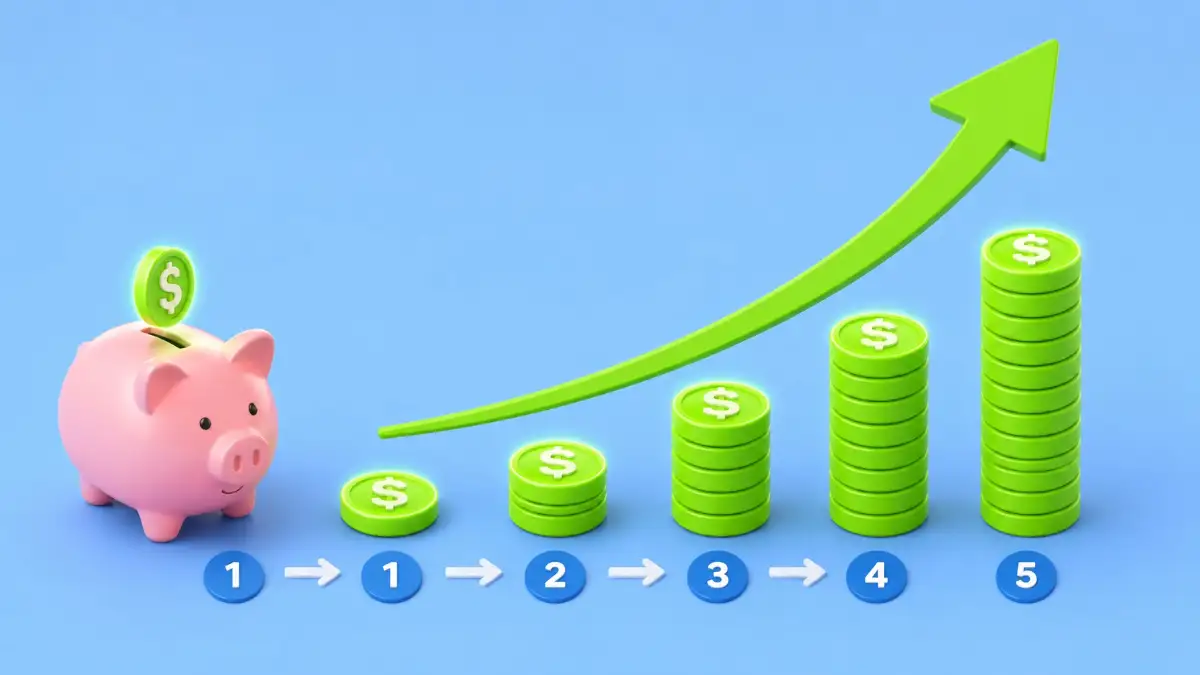
Understanding these common pitfalls before they happen is the best way to protect your progress. Here are five massive mistakes people make when trying to control their spending, and how to avoid them.
Mistake 1: Ignoring the "Tiny" Daily Leaks
Many beginners only track large expenses like rent, car payments, and electricity bills. They completely ignore the three dollars spent on a soda or the five dollars spent on random phone apps.
They tell themselves that these tiny purchases do not matter in the grand scheme of things. This is a very dangerous illusion that completely destroys your monthly plan.
The Reality of Compounding Expenses
A five-dollar daily coffee habit equals one hundred and fifty dollars by the end of the month. Small leaks can quickly sink a very large ship if they are left unchecked.
You must account for every single dollar, no matter how small or insignificant it feels at the time. Once you see the true total of your daily habits, you can make better spending choices.
Mistake 2: Creating a Starvation Diet for Your Wallet
When people get angry about their debt, they often create an extremely harsh punishment plan. They promise to stop eating out, stop buying clothes, and stop doing anything fun for a whole year.
This financial starvation diet works exactly like a food starvation diet. It completely relies on pure willpower, which eventually runs out when you have a bad day at work.
The Danger of Extreme Restriction
When you restrict yourself too much, you eventually snap and go on a massive spending binge. You end up buying things you do not even want just to feel a sense of freedom.
Always leave a realistic buffer in your plan for entertainment and simple joys. A flexible system that allows for fun is much stronger than a rigid system that breaks under pressure.
Mistake 3: Keeping Savings and Spending in the Same Place
If your savings account is directly attached to your main checking account, you are playing with fire. It takes exactly two seconds to transfer money from savings to checking on your phone.
When you see something you want to buy, that easy access becomes a massive temptation. You will easily convince yourself that this new gadget is an absolute necessity.
Creating Healthy Friction
You should make it intentionally difficult to access your long-term savings. Open a completely separate savings account at a different bank that you do not see every day.
If it takes two full business days to transfer the money, you have time to cool off. This small delay naturally kills the sudden urge to make an emotional, unplanned purchase.
Mistake 4: Hiding Financial Truths from Your Partner
Money is often considered a taboo subject, even between couples who have been married for a long time. One partner might secretly hide credit card debt out of deep shame or fear of an argument.
When you try to follow a plan but your partner is unaware, you are pulling in opposite directions. It is like trying to row a boat forward while someone else is rowing backward.
The Power of Total Honesty
You must sit down and have a completely honest, judgment-free conversation about your shared numbers. Put all the debts, incomes, and goals openly on the table without pointing fingers.
When both partners work together toward a shared goal, progress happens twice as fast. You become a united team fighting against the problem, rather than fighting against each other.
Mistake 5: Quitting After One Bad Spending Day
Perfectionism is the ultimate enemy of making real, lasting financial progress. You will eventually have a bad week where you overspend on groceries or buy something you should not have.
Many people view this single mistake as a total failure of their entire system. They throw their hands up, abandon the entire plan, and go right back to their old, stressful habits.
The Flat Tire Rule
Imagine you are driving down the highway and one of your tires goes flat. You would not get out of the car and slash the other three tires in anger, would you?
You would simply fix the flat tire and get back on the road. Treat your money mistakes exactly the same way; forgive yourself, make an adjustment, and keep moving forward.
Your Clear Path to Financial Peace
Taking control of your cash flow is not about restricting your happiness or living a miserable life. It is entirely about gaining the freedom to make confident choices without a heavy cloud of stress.
When you finally tell your money exactly where to go, you stop wondering where it went. You transform from an anxious passenger into the confident driver of your own life.
Let Us Review Your Action Plan
- Find Your Baseline: Print out your recent bank statements and face the real numbers without any self-judgment.
- Fund Your Joy: Deliberately set aside cash for hobbies and fun so you can spend without feeling guilty.
- Start an Emergency Shield: Set up an automatic transfer for a small amount to protect against random surprises.
- Prepare for Yearly Bills: Divide large annual expenses into tiny, manageable monthly chunks.
- Stay Connected: Spend fifteen minutes a week reviewing your progress to stay on track.
Taking Back Your Power Today
You already possess everything you need to change your financial future right at this very moment. You do not need a fancy math degree or an expensive financial advisor to succeed.
All you need is the willingness to take that very first, imperfect step forward today. Grab a simple piece of paper, look at your bank account, and start writing down your new plan.
The peace of mind that comes from knowing you are secure is worth every bit of the effort. Your future self will deeply thank you for the bold choices you make today.