
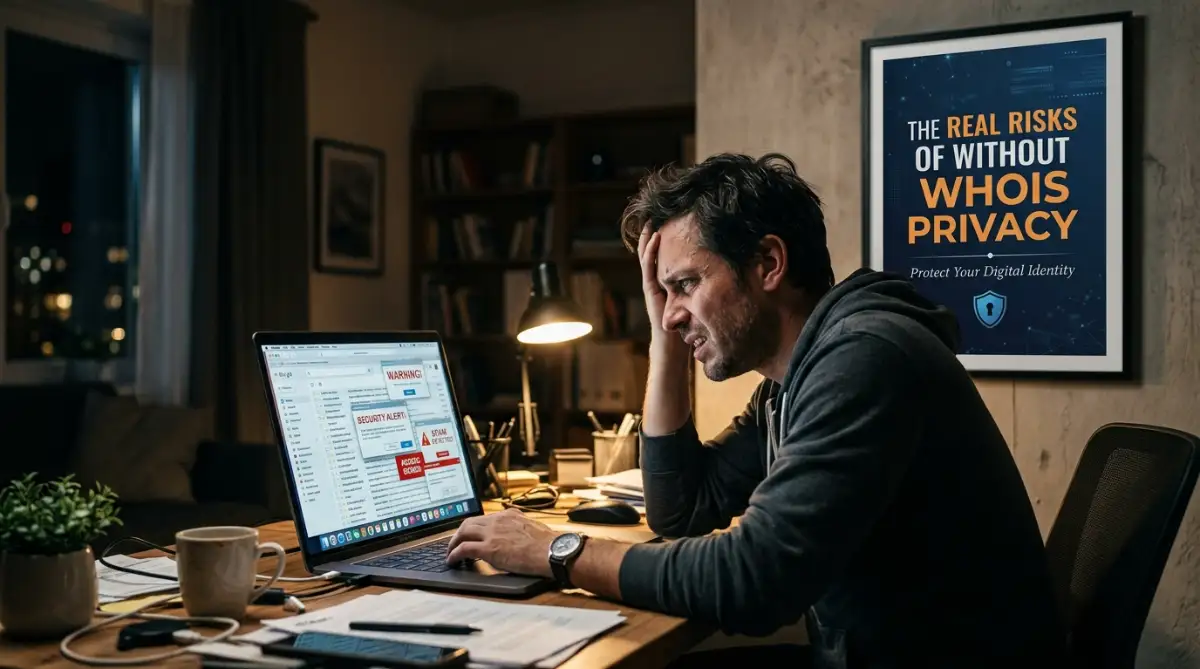
Why My First Website Taught Me a Harsh Lesson About Public Data
I still remember the absolute thrill of launching my very first website. I finally bought my dream domain name, hit the publish button, and went to bed imagining thousands of visitors reading my work.
The very next morning, my phone started ringing endlessly with strange international numbers. My main email inbox was completely flooded with shady offers from pushy web designers and aggressive marketing agencies.
I felt incredibly confused and deeply violated, wondering how these total strangers got my direct contact details overnight. That awful morning was my painful introduction to the reality of the public domain database. I realized too late that trying to save a few dollars on checkout left my personal life completely exposed.
Normal people face this exact nightmare every single day without even realizing what went wrong. You just want to start a simple blog or a small online business to follow your passion. Instead, your daily life gets hijacked by relentless telemarketers and scammers who will not leave you alone.
This constant barrage of unwanted communication completely destroys your mental peace. We start ignoring calls from unknown numbers, which means we might actually miss important calls from family members or actual clients.
The most terrifying part is knowing that your actual home address and personal phone number are freely available to anyone with an internet connection. It is an overwhelming feeling of vulnerability that can make you regret starting your online journey in the first place.
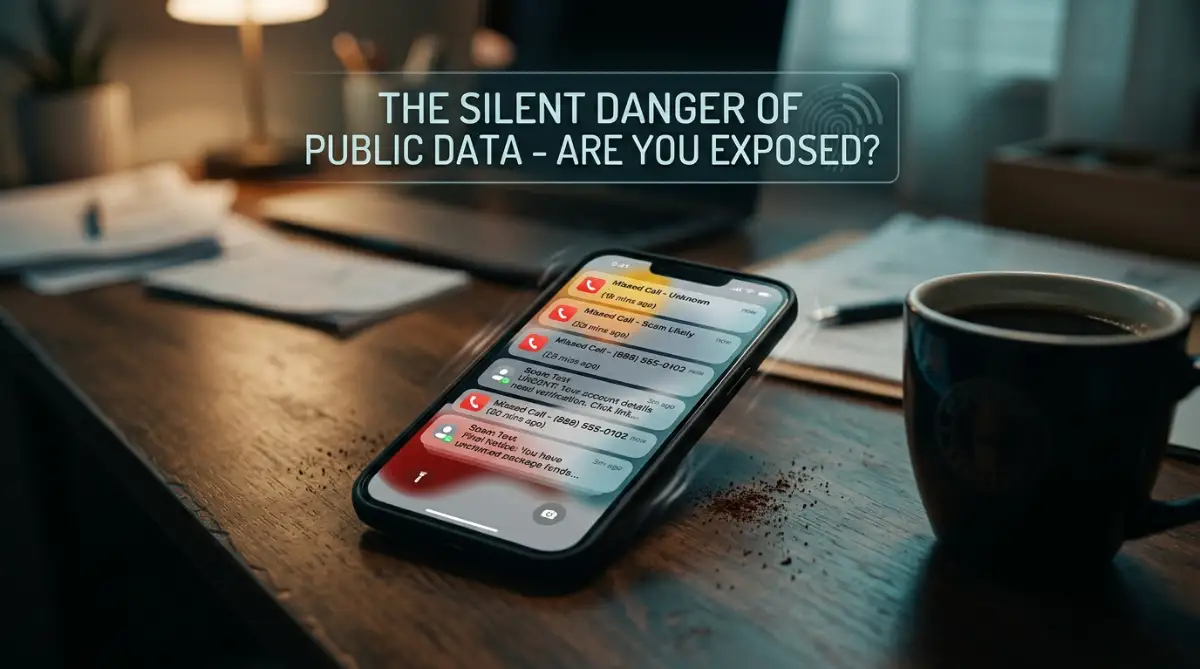
Exposing the Hidden Mechanics of Public Registration Databases
When you buy a new web address, the rules require you to provide accurate contact information. This global system was originally designed decades ago to help people easily find out who owns a specific website.
However, the internet has changed drastically since those early days of open communication. Today, this open directory acts like a free menu for cybercriminals and massive marketing agencies looking for easy targets.
Your name, home address, phone number, and email are placed on a public billboard for the whole world to see. You might think nobody cares about your small new blog, but automated systems are constantly watching for new registrations.
Within seconds of your purchase, thousands of automated bots scrape your sensitive information. These machines do not care about the size of your business; they just want fresh data to sell to the highest bidder.
The Unseen Danger of Automated Scraping Bots
Imagine a swarm of digital insects constantly crawling across the internet looking for unprotected data. These scraping bots are programmed to instantly copy any new information added to the global registry.
Once your details are copied by these bots, they are permanently stored in private, third-party databases. Even if you try to hide your information later, those shady companies have already saved your original data.
This is exactly why the spam starts so quickly after you make your purchase. The scrapers immediately distribute your phone number to overseas call centers that specialize in harassing new business owners.
How Harmless Information Turns Into Targeted Phishing
Most people think that getting a few spam emails is annoying but ultimately harmless. Unfortunately, modern cybercriminals use this public information to craft highly sophisticated phishing attacks against you.
They will send you an email that looks exactly like it came from your hosting provider or domain registrar. Because they know your exact name, address, and the specific domain you just bought, the email looks incredibly convincing.
These fake emails usually claim that your account is about to be suspended or that your payment failed. If you panic and click the link to enter your password, you hand over full control of your website directly to the hackers.
Protecting Your Most Valuable Digital Assets
I always suggest using a completely dedicated email address just for handling website registrations to keep your main inbox clean. But my biggest mistake was thinking a simple PO Box would completely protect me from those endless, annoying phone calls. Always secure the privacy add-on before you complete your checkout to save yourself from massive daily headaches.
The Reality of Competitor Spying and Corporate Espionage
Sometimes the threat does not come from random hackers, but from your direct business competitors. When your information is public, anyone can easily see the entire portfolio of web addresses you own.
If you are planning to launch a new product or branch out into a new niche, your competitors can see your domain purchases. They can track your business moves before you even have the chance to launch your official website.
By simply hiding your ownership details, you maintain the element of surprise in your industry. You keep your business strategy entirely confidential and prevent rivals from stealing your brilliant ideas.
Stop Letting Scammers Hijack Your Hard Work.
Wait, You Need to See How Easy It Is to Lose Everything
Before we move further into the mechanics of data protection, you absolutely must understand how quickly things can go wrong. Watch this brief breakdown to see exactly how exposed your personal information really is when you skip basic security steps.
The Terrifying Threat of Domain Hijacking
Domain hijacking is exactly what it sounds like: a cybercriminal steals your web address and transfers it to their own account. They often do this by using the personal contact information they found in the open public directory.
Hackers will look at your public email address and then try to find your associated social media profiles. They cross-reference your public data to guess your security questions or manipulate customer support agents into resetting your passwords.
Once they gain access, they transfer the web address away, and you completely lose your website, your traffic, and your brand reputation. Getting a stolen website back is an incredibly stressful, long, and sometimes impossible legal process.
Myth vs Reality: Understanding Your True Online Exposure
There are a lot of dangerous myths surrounding how website ownership actually works behind the scenes. Many beginners believe that because they are a small brand, nobody will bother attacking them.
Myth: Only large corporations and huge e-commerce stores need to worry about hiding their registration data.
Reality: Scrapers and bots target every single new registration automatically, treating a personal blog exactly the same as a massive corporate site.
Myth: I can just use fake information when I register to protect my actual identity.
Reality: Providing fake details directly violates international registry rules and can result in your website being instantly permanently deleted without any warning.
A Clear Look at Public Data vs Masked Data
To truly understand the value of protecting your identity, we need to compare what the public sees in both scenarios. Let's look at how your personal details appear to a stranger searching the global database.