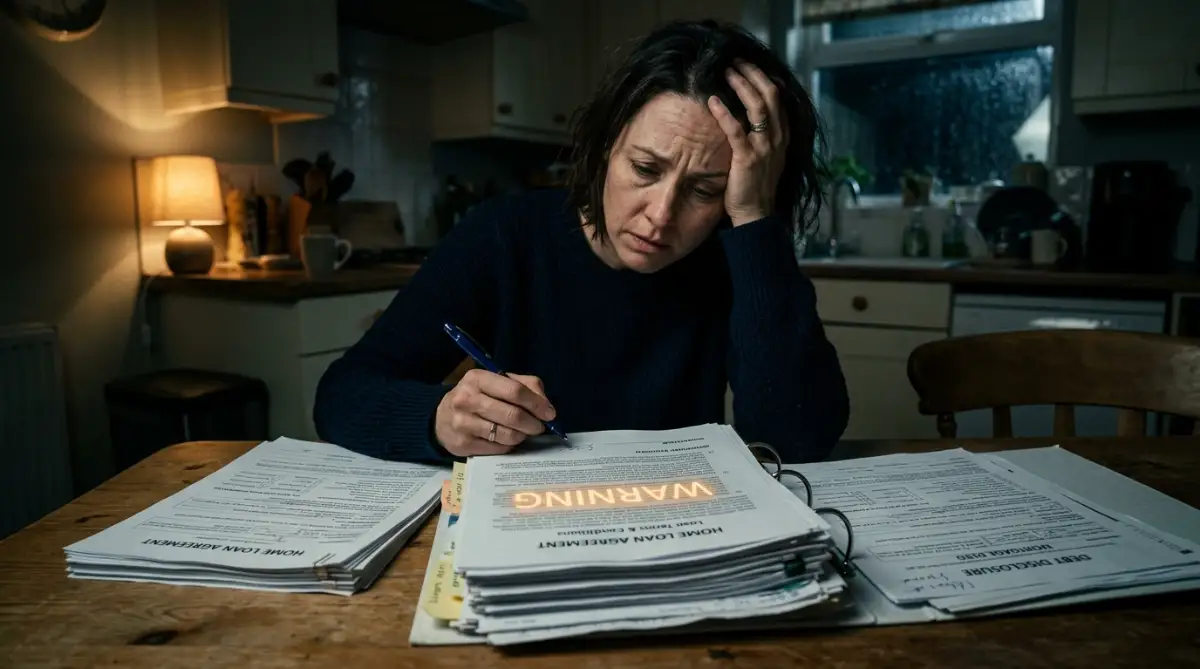
The Heavy Burden of Helping a Friend
I still remember the exact afternoon my phone rang on a random Tuesday. It was my best friend, sounding extremely panicked, begging me to help with a medical emergency by backing up a bank application. I wanted to be a good friend, so I drove straight to the bank and signed my name on the dotted line without a second thought. At that moment, I felt like a hero stepping up to save the day.
But less than six months later, that single signature turned my entire financial life upside down. My phone started buzzing with angry debt collection calls, and I quickly realized I had made a terrible mistake.
When someone you care about asks for your help, saying no feels incredibly hard. You might think you are just offering a character reference or giving them a slight push to get approved. The reality is far more terrifying.
Every single day, kind-hearted people agree to put their names on these documents, completely unaware of the heavy chains they are wrapping around their own ankles. They wake up to find their bank accounts frozen, their credit ruined, and their dreams of buying a house shattered. The stress bleeds into their sleep, causing endless nights of staring at the ceiling and wondering how to escape the trap.
Why does this happen so often? Why is this simple act of kindness so dangerous?
Most people simply do not understand what the bank actually wants from them. You might ask yourself, "If they miss a payment, the bank will just ask them first, right?" Or perhaps you think, "I am just a backup option." These are dangerous myths. The banking system does not care about your friendship or your good intentions. They only care about getting their money back.
Let me walk you through the exact reasons why helping a loved one in this specific way can ruin your financial future. We will look closely at the math, the legal rules, and the heavy emotional toll this decision brings.

What Actually Happens When You Share Someone Else's Debt
When you agree to back up someone's financing, you are not just giving them a thumbs-up. You are signing a legally binding contract that makes you 100% responsible for every single penny borrowed.
Banks and lenders have very smart lawyers who draft these agreements to protect the bank's money. They know that if the primary borrower cannot pay, they need a guaranteed way to collect the funds. That guarantee is you. Let's break down exactly how this works against you in the real world.
The Hidden Trap of Full Legal Liability
When you put your signature on that paper, the bank views you and your friend as the exact same person. There is no "primary" or "secondary" when it comes to collecting the money.
If your friend loses their job and stops paying, the bank will not gently ask them to try harder. Instead, they will immediately turn their attention to you. You are now legally required to make the monthly payments, pay the late fees, and cover any penalty charges.
I learned this the hard way when the bank started sending letters to my home address before even calling my friend.
Pro Tip: Always remember that a bank asks for a second signature because their computer system already considers the original borrower too risky. I completely ignored this red flag, thinking my friend was a rare exception, and it cost me thousands of dollars from my own savings.
Watch this quick breakdown to understand exactly how banks view your legal responsibility before you sign anything.
How Your Debt-to-Income Ratio Takes a Direct Hit
Even if your friend pays every single month perfectly on time, you still suffer a major hidden consequence. Lenders use a specific math formula called the Debt-to-Income (DTI) ratio to measure your financial health.
Your DTI compares how much money you earn to how much money you owe. When you add your name to a new contract, the entire total amount of that money is instantly added to your credit profile.
If you decide you want to buy a new car, rent a nicer apartment, or get a mortgage for your dream home, the new lender will look at your file. They will see this massive debt sitting next to your name. They will not care that someone else is making the payments.
Myth vs. Reality: The DTI Trap
Because of this simple math, you might get rejected for your own goals. You could save up for years to buy a house, only to be turned away because your DTI ratio is too high from helping someone else.
The Immediate Danger to Your Credit Score
Your credit score is like your financial report card. It opens doors for low interest rates and better opportunities. When you agree to share this responsibility, you tie your perfect financial report card directly to someone else's habits.
Every single month, the lender reports the payment history to the major credit bureaus. If the primary borrower pays late, that late payment goes directly onto your permanent record. A single payment that is 30 days late can drop your score by a massive amount.
The worst part is that you usually do not know they missed a payment until the damage is already done. Your friend might feel too embarrassed to tell you they are struggling. By the time you get a notification or a phone call, your excellent score has already taken a huge hit.
Expert Insight: Financial advisors often warn that recovering from a severe credit drop can take months or even years of perfect payment history. You are essentially handing the steering wheel of your financial life to another person and hoping they do not crash.
The Endless Cycle of Collection Calls and Stress
Let us imagine a worst-case scenario. The primary borrower stops paying entirely, and the account goes into default.
Your quiet evenings at home will suddenly be interrupted by aggressive phone calls. Debt collectors are trained to be persistent. They will call you at work, they will call you during dinner, and they will send demanding letters to your house.
This level of constant pressure changes how you live your daily life. You might start ignoring unknown numbers. You might feel a heavy weight in your chest every time you open your mailbox. The mental exhaustion of paying for something you never even enjoyed buying is incredibly draining.
You cannot simply explain to a debt collector that you were just trying to do a nice favor. The legal paperwork gives them the right to demand the money from you, and they will not stop until they get it.
The Silent Destruction of Close Relationships
Money changes people, especially when things go wrong. While the legal and financial problems are terrible, the emotional damage is often much worse.
When you help a friend or a family member this way, you instantly change the dynamic of your relationship. You are no longer just an equal partner or a loving relative. You become their unofficial bank manager.
Every time you see them buy a new pair of shoes or post a picture from a nice restaurant, you will silently judge them. You will wonder, "If they have money for a fancy dinner, why are they always late on the bank payment?" Resentment starts to build up like poison.
If they default and you are forced to empty your savings account to cover their mess, the relationship is usually destroyed forever. The awkwardness at family gatherings becomes unbearable. The trust is completely broken, leaving behind anger and regret.
This is exactly why mixing family, friendship, and large amounts of borrowed money is almost always a recipe for disaster. The risk of losing someone you love is simply too high.
Smarter Ways to Protect Your Money and Friendships
When a close friend or family member asks you to back their financing application, the immediate pressure feels incredibly heavy. You want to be supportive, but your own financial safety must come first. The best approach is to figure out how to help them without signing a legally binding document.
Instead of risking your own profile, you can offer alternative solutions that keep you both safe. Sometimes, the primary borrower simply needs a better strategy to manage their money. You could help them organize a proper budget, look for side income, or even review their monthly expenses together.
Giving them a small amount of cash as a direct, one-time gift is often much safer than tying yourself to their legal debt. If you can afford to lose a little money to help them through a tough week, do it freely. Just never attach your permanent financial reputation to their future behavior.
Real-Life Scenario: The Power of a Gentle 'No'
Imagine your cousin asks you to sign for their new car. Instead of just saying a blunt no, you can use a strategic boundary. You might say, "I value our relationship too much to mix it with banking, but I would love to help you find a cheaper used car."
If they push back or get angry, you can gently shift the blame to the strict legal system. You can even share consumer protection guidelines directly from the Federal Trade Commission on shared debt responsibilities to show them exactly why this is a terrible idea for both of you. It helps them see the situation from a logical perspective rather than an emotional one.
You must also consider the sleepless nights that come with shared obligations. If the worst happens and the primary borrower starts slipping on their schedule, the daily stress will consume you. Knowing exactly how to handle a missed personal loan payment without losing sleep gives you an emergency backup plan before the bank starts taking aggressive action.

The Silent Traps That Destroy Good Intentions
Even when people understand the basic risks, they still fall into emotional traps. The biggest mistake you can make is blindly trusting a simple verbal promise. Your relative might swear they will never miss a single due date, and they truly mean it in that moment.
However, life is completely unpredictable. Sudden job losses, medical emergencies, and unexpected family bills can easily break those good intentions. When their bank account hits zero, your verbal agreement means absolutely nothing to the lender.
Another massive pitfall is ignoring the actual legal paperwork. Many people simply flip to the very last page and sign wherever the bank teller points. They never read the fine print about expensive collection fees, penalty interest rates, or exactly when the bank can take them to court.
The Do's and Don'ts of Helping a Borrower
- Do help them research alternative lenders that accept lower credit ratings.
- Don't assume the bank will contact them first if a payment fails.
- Do check your own file regularly to monitor any shared accounts you already have.
- Don't ever sign a document without reading the exact terms of default.
Then, there is the dangerous trap of total blindness. Some people sign the papers and completely forget about the account. They never ask the primary borrower for the online login details to monitor the monthly progress. Months go by in complete silence while disaster brews in the background.
Suddenly, they try to apply for a new credit card and realize their excellent rating is completely destroyed. If you ever find yourself caught in this messy aftermath, learning how to fix a damaged credit score without falling for scams becomes your only reliable way to rebuild. Never let someone else control your reputation without watching their actions closely.
For a deeper understanding of how these background updates work, you can always check educational resources from the Consumer Financial Protection Bureau on credit reporting to see just how quickly one missed due date damages your permanent file.
Your Action Plan for Complete Financial Safety
Protecting your hard-earned money does not make you a bad friend or a selfish relative. It simply makes you smart, aware, and responsible. True friends will actually understand when you explain your personal boundaries clearly and respectfully.
Taking control of your future means keeping your financial profile entirely in your own hands. You worked extremely hard to build your stability, and you deserve to keep it safe from unnecessary risks.
Your Final Checklist for Tomorrow:
- Practice saying no with empathy and prepare a polite script before anyone even asks you for money.
- Review your current credit report online to make sure no old, forgotten shared accounts are secretly dragging your numbers down.
- Offer emotional support or help them find a better interest rate, instead of offering your signature to the bank.
I used to feel incredibly guilty for turning people down, but setting clear boundaries with my money gave me a profound sense of daily peace. My biggest hope is that you step forward today with the total confidence to protect your own dreams first.
Questions People Always Ask About Shared Debt
Can I easily remove my name from the agreement later?
Getting your name off the contract is extremely difficult once the ink is dry. The primary borrower usually has to completely refinance the entire balance under their own name, which requires them to have excellent standing. Until they successfully do that, you are legally stuck with the responsibility.
Does the shared balance show up on my personal report immediately?
Yes, the full amount borrowed will appear on your personal profile almost right away. This happens automatically, even if the other person makes every single payment perfectly on time. Lenders still view that total amount as your potential burden.
What happens to me if the primary borrower files for bankruptcy?
If they file for bankruptcy to erase their debts, the bank will immediately turn to you for the full remaining balance. Their legal bankruptcy protection absolutely does not cover your signature, leaving you holding the entire empty bag.
Disclaimer :The information provided in this article is for educational purposes only and does not constitute formal legal or financial advice. Please consult with a certified financial planner or legal professional before making major decisions regarding debt and contracts.